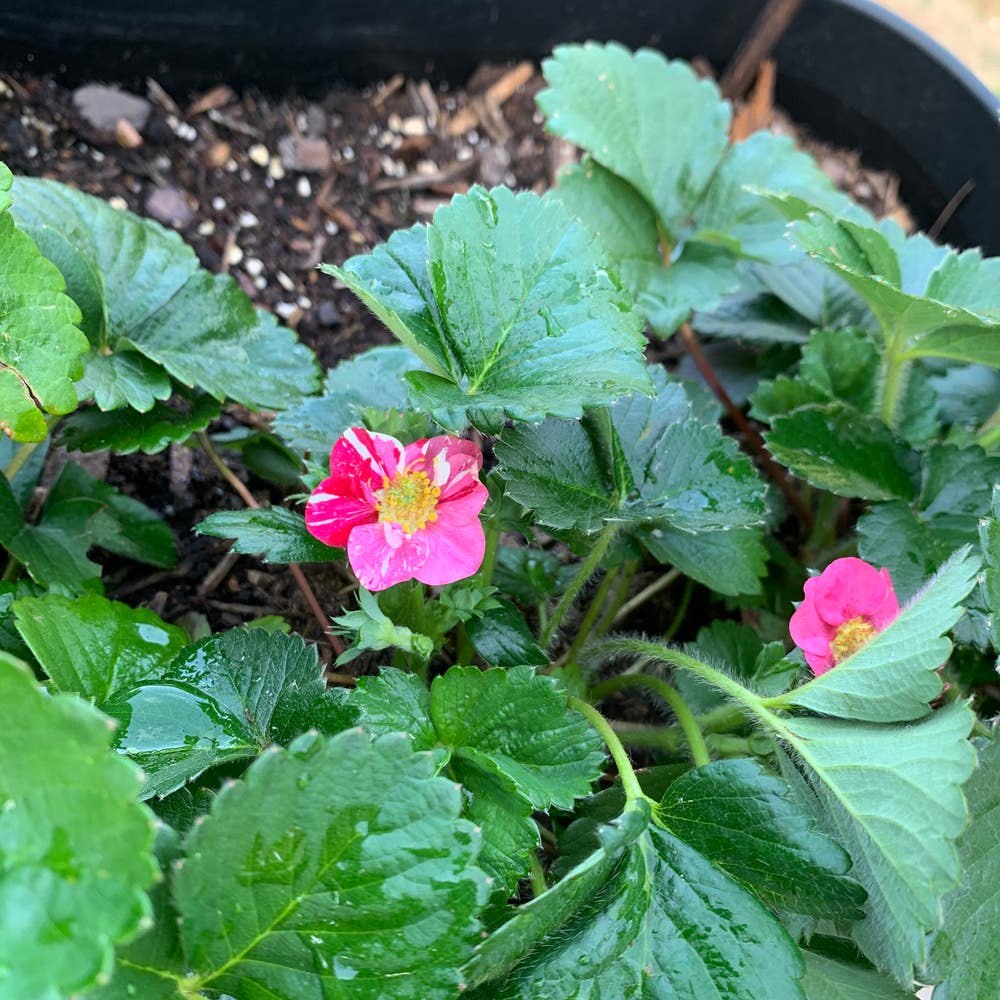
Mock Strawberry: A Perennial Plant 🍓
Potentilla indica
By the Greg Editorial Team
Sep 30, 2024•5 min read
This article was created with the help of AI so we can cover more plants for you. May contain errors. See one? Report it here.
- 🌱 Mock Strawberry thrives for years, requiring minimal replanting and care.
- 🍓 Enjoy continuous flowers and fruits, enhancing your garden's beauty and productivity.
- 🌍 Supports sustainability and biodiversity, positively impacting your garden ecosystem.
Characteristics of Mock Strawberry as a Perennial
Multi-Year Lifecycle 🌱
Mock Strawberry is a resilient perennial that can thrive for multiple years. This plant continuously produces flowers and fruits, making it a delightful addition to any garden.
In contrast to annual and biennial plants, which complete their lifecycle in one or two years respectively, Mock Strawberry stands out with its enduring growth. While annuals need to be replanted each season, this perennial offers the advantage of longevity and consistent yields.
Growth Patterns and Regrowth from Roots 🌿
Mock Strawberry showcases a robust growth habit, with fresh leaves and vibrant flowers emerging each spring. This seasonal renewal not only beautifies your garden but also signals the plant's vitality.
One of its remarkable features is its ability to regenerate from established root systems. This mechanism ensures that Mock Strawberry not only survives but thrives year after year, providing a reliable source of beauty and fruit.
As we explore the seasonal changes and dormancy of this plant, you'll see how its lifecycle intricately connects with its environment.
Seasonal Changes and Dormancy
💤 Dormancy Periods
Mock Strawberry enters a dormancy phase during the colder months. This natural process allows the plant to conserve energy and resources, ensuring it can thrive again when conditions improve.
Signs of dormancy are easy to spot. You’ll notice yellowing leaves, reduced growth, and eventually, the dieback of above-ground parts.
🌱 Seasonal Growth Patterns
As spring arrives, Mock Strawberry bursts back to life. This is the active flowering and fruiting period, where optimal conditions lead to vibrant growth.
In the fall and winter, the plant prepares for dormancy. It focuses on nutrient storage in its roots and sheds leaves, readying itself for the challenges of colder weather.
Understanding these seasonal changes is crucial for successful cultivation. By recognizing dormancy and growth patterns, you can better care for your Mock Strawberry and enjoy its benefits year after year.
Next, we’ll explore the advantages of its perennial nature, highlighting why this plant is a favorite among gardeners.
Advantages of Perennial Nature
🌱 Benefits for Gardeners
Mock Strawberry offers significant advantages for gardeners, especially in terms of maintenance. Once established, this resilient plant requires less frequent replanting compared to annuals, freeing up time for other gardening tasks.
Additionally, its established root systems play a crucial role in enhancing soil health. These roots improve erosion resistance and boost nutrient uptake, creating a thriving environment for surrounding plants.
💰 Long-Term Cultivation Benefits
Cost-effectiveness is another compelling reason to choose Mock Strawberry. With fewer seeds or plants needed over time, gardeners can enjoy substantial savings on gardening expenses.
Moreover, cultivating perennials like Mock Strawberry supports sustainability. These plants contribute to biodiversity and overall ecosystem health, making your garden not just beautiful but also beneficial for the environment.
Incorporating Mock Strawberry into your gardening plans can lead to a flourishing, low-maintenance landscape that thrives year after year. As we explore the lifespan and longevity factors next, you'll discover how to maximize the benefits of this remarkable perennial.
Lifespan and Longevity Factors
Expected Lifespan 🌱
Mock Strawberry typically enjoys a lifespan of 3 to 5 years. Under optimal conditions, however, it can thrive even longer, rewarding gardeners with its persistent beauty.
The longevity of this plant can vary significantly based on care and environmental factors. Elements like soil quality, water availability, and sunlight exposure play crucial roles in determining how long your Mock Strawberry will flourish.
Influencing Factors 🌍
Soil health is paramount for sustained growth. Well-draining, nutrient-rich soil not only supports the plant but also enhances its resilience against stressors.
Pest and disease management is equally important. Environmental stressors can impact plant health and lifespan, making regular monitoring and care essential for a thriving Mock Strawberry.
By understanding these factors, you can create an environment that maximizes the lifespan of your Mock Strawberry, ensuring it remains a vibrant part of your garden for years to come.
As you consider these longevity factors, think about how they can influence your overall gardening strategy. Transitioning to the next section, let’s explore how Mock Strawberry adapts across different climate zones.
Variations Across Climate Zones
Perennial Behavior 🌱
Mock Strawberry is remarkably adaptable, thriving across various USDA hardiness zones. This resilience allows it to flourish in diverse climates, from temperate regions to warmer areas.
Performance can vary significantly based on local conditions. Factors like temperature and moisture levels directly influence flowering and fruiting, leading to different experiences for gardeners.
Growing Conditions ☀️
For optimal growth, Mock Strawberry prefers full sunlight and well-draining, nutrient-rich soil. These conditions promote vigorous growth and abundant fruit production.
However, extreme weather can pose challenges. Droughts may stress the plant, while excessive rainfall can lead to root rot, impacting overall health and productivity.
Understanding these variations helps gardeners tailor their care strategies, ensuring a thriving Mock Strawberry patch regardless of climate.
Tips for Maximizing Benefits
Strategic Planting 🌱
When planting Mock Strawberry, consider spacing to allow for optimal growth. Companion planting can also enhance productivity, as certain plants can support each other's growth.
Seasonal Care 🌦️
Adjust your care routines based on the plant's dormancy and active growth periods. During dormancy, reduce watering and refrain from fertilizing, while in spring and summer, increase care to support flowering and fruiting.
Long-Term Planning 📅
Incorporate Mock Strawberry into your perennial garden designs for lasting beauty and productivity. Planning for its growth cycle ensures that your garden remains vibrant year after year, providing both aesthetic appeal and delicious fruits.
By following these tips, you can enjoy the many benefits of Mock Strawberry while fostering a thriving garden ecosystem. Next, let’s explore the lifespan and longevity factors that influence this resilient plant.
⚠️ Safety First
This content is for general information and may contain errors, omissions, or outdated details. It is not medical, veterinary advice, or an endorsement of therapeutic claims.
Always consult a qualified healthcare professional before using any plant as food, medicine, or supplement.
Never eat any plant (or feed one to pets) without confirming its identity with at least two trusted sources.
If you suspect poisoning, call Poison Control (800) 222-1222, the Pet Poison Helpline (800) 213-6680, or your local emergency service immediately.
Spotted an error? Please report it here.
Cultivate the enduring beauty of Mock Strawberry in your garden 🌼 with Greg's tailored care reminders, ensuring vibrant growth and fruit production year after year!