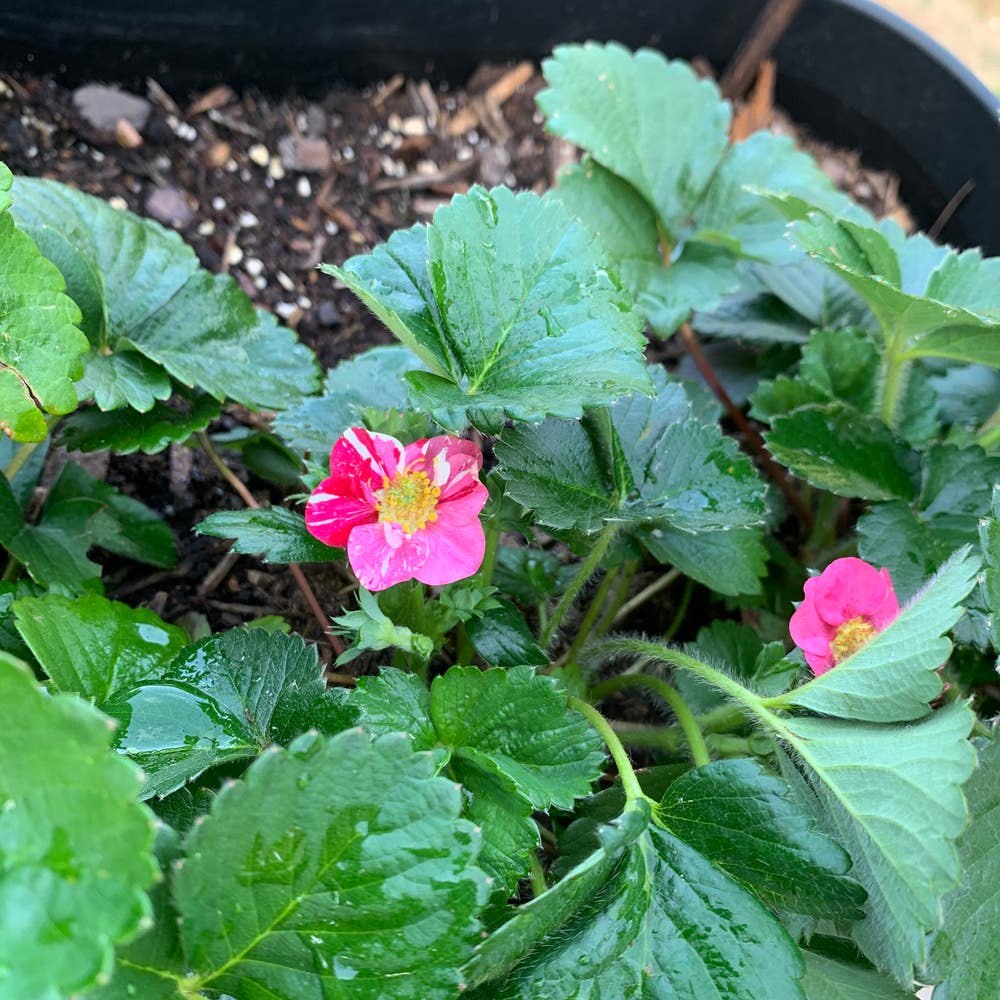
Growth Rate of Indian Strawberry 🍓
Potentilla indica
By the Greg Editorial Team
Nov 07, 2024•6 min read
This article was created with the help of AI so we can cover more plants for you. May contain errors. See one? Report it here.
- 🌱 Germination takes 7-14 days, influenced by temperature, moisture, and seed quality.
- ☀️ Optimal growth requires 6-8 hours of sunlight daily for healthy vegetative stages.
- 🍓 From seed to fruiting takes 3-4 months under ideal conditions.
Germination Stage
🌱 Duration of Germination
Germination is a crucial first step in growing Indian strawberries, typically taking 7 to 14 days. This duration can vary based on several factors, including temperature, moisture levels, and seed quality.
🌡️ Conditions for Successful Germination
To ensure successful germination, maintain an optimal temperature range of 15°C to 20°C (59°F to 68°F).
Soil Requirements
Use well-drained, light soil that retains moderate moisture. This type of soil helps prevent waterlogging, which can hinder seed growth.
Light Exposure
Light plays a vital role in germination. For best results, surface sow the seeds to maximize their exposure to light, which encourages quicker sprouting.
By understanding these key aspects of the germination stage, you set the foundation for healthy strawberry plants. Next, we’ll explore the seedling stage and what to expect as your plants begin to grow.
Seedling Stage
🌱 Characteristics of Seedlings
During the seedling stage, Indian strawberry plants exhibit small, vibrant green leaves that form a rosette pattern. This unique arrangement not only looks appealing but also maximizes light capture for photosynthesis.
The root system at this stage is shallow but crucial for establishing the plant. As the roots begin to develop, they anchor the plant and absorb essential nutrients from the soil.
⏳ Duration of the Seedling Stage
The seedling stage lasts approximately 2 to 4 weeks, depending on environmental conditions. Consistent moisture and indirect sunlight are vital for optimal growth during this period.
Providing the right balance of water and light will set the foundation for a healthy plant. This nurturing phase is essential for transitioning into the more vigorous vegetative growth stage.
As the seedlings mature, they prepare for the exciting journey ahead, leading to the vegetative growth stage where they will flourish even more.
Vegetative Growth Stage
🌱 Growth Patterns and Characteristics
During the vegetative growth stage, Indian strawberries exhibit rapid leaf expansion. The leaves are distinctive, trifoliate, and serrated, creating a lush green appearance that signals healthy growth.
In addition to leaf development, the plants can grow up to 30 cm (12 inches) tall. This height increase is crucial as it prepares the plants for the next stages of their life cycle.
⏳ Duration of Vegetative Growth
This stage lasts approximately 4-8 weeks, depending on environmental conditions. For optimal growth, ensure the plants are in well-drained soil with moderate moisture.
Full sun exposure is essential during this period, as Indian strawberries thrive with 6-8 hours of sunlight daily. This combination of factors will promote vigorous growth and set the stage for flowering.
As the vegetative phase wraps up, the plants transition into the flowering stage, where their vibrant blooms will soon emerge.
Flowering Stage
Timing of Flowering 🌸
The flowering stage of Indian strawberry typically occurs 8-12 weeks after germination. This period aligns with the warmer months, as flowers usually bloom in late spring to early summer, taking advantage of the optimal growing conditions.
Characteristics of Flowers 🌼
Indian strawberry flowers are quite charming, featuring small, white blooms with five delicate petals. These flowers are not just pretty; they play a crucial role in attracting pollinators like bees and butterflies, which are essential for successful fruit development.
The vibrant life cycle of the Indian strawberry is a testament to nature's beauty and efficiency. As the flowers bloom, they set the stage for the next exciting phase: fruit production.
Seed Production Stage
Process of Seed Production 🍓
Once pollination occurs, the flowers of the Indian strawberry transform into vibrant red, edible fruits. This exciting development marks the beginning of the seed production process, where seeds are nestled within the fruit, maturing over a period of 4 to 6 weeks.
Duration and Conditions for Seed Production ⏳
The seed production stage lasts about 4 to 6 weeks following flowering. For optimal fruit development, the plants require adequate moisture and nutrient-rich soil to thrive.
Ensuring these conditions can significantly enhance the quality and quantity of the fruit produced. With the right care, you can enjoy a bountiful harvest of delicious strawberries, ready for picking and enjoying.
As we move forward, let’s explore how long it takes for the Indian strawberry to reach full maturity and the factors that influence its growth rate.
Growth Rate and Maturation
🌱 How Long Until Indian Strawberry is Fully Grown?
The journey from seed to fruiting for Indian strawberries typically spans about 3 to 4 months under optimal conditions. This timeframe allows the plant to develop fully and produce delicious, ripe fruits.
⏳ Factors Affecting Growth Rate
Several key factors influence how quickly Indian strawberries grow:
Soil Quality: Nutrient-rich, well-drained soil is essential for promoting faster growth. The right soil composition can significantly impact the plant's health and productivity.
Watering Practices: Consistent moisture is crucial, but be careful to avoid waterlogging. The balance of hydration helps the plant thrive without drowning its roots.
Sunlight Exposure: Indian strawberries flourish in full sun, requiring 6 to 8 hours of sunlight daily. Adequate light not only boosts growth rates but also enhances fruit quality.
🔄 Notable Changes Throughout the Life Cycle
As Indian strawberries progress through their life cycle, several notable changes occur:
Transition from Seedling to Mature Plant: You'll observe increased leaf size and deeper root development. This growth is vital for the plant's stability and nutrient uptake.
Flowering to Fruiting: The transformation from white flowers to vibrant red fruits is a striking visual cue of maturation. This change signifies the successful pollination and development of the plant.
Understanding these growth stages and factors can help you cultivate healthier, more productive Indian strawberry plants. With the right care, you can enjoy the fruits of your labor in just a few months!
Overall Lifespan
Average Lifespan of Indian Strawberry 🍓
The Indian Strawberry typically enjoys a lifespan of 1 to 2 years. This duration can vary significantly based on the environmental conditions it encounters.
Environmental Factors Influencing Lifespan 🌦️
Climate plays a crucial role in the longevity of Indian Strawberries. They thrive best in moderate climates; extreme temperatures can drastically shorten their lifespan.
Soil health is another vital factor. Nutrient depletion can lead to a decline in the plant's productive life, making it essential to maintain rich, well-drained soil.
Comparison with Other Strawberry Species 🍓
When comparing lifespans, Indian Strawberries tend to have a shorter life than some cultivated varieties. These cultivated types can live for several years, especially when provided with optimal care.
Understanding the lifespan of Indian Strawberries helps in planning their cultivation and care. With the right conditions, you can enjoy their delightful fruits for a significant part of their life cycle.
Next, we will explore the growth rate and maturation process of Indian Strawberries, highlighting how long it takes for them to reach full fruiting potential.
⚠️ Safety First
This content is for general information and may contain errors, omissions, or outdated details. It is not medical, veterinary advice, or an endorsement of therapeutic claims.
Always consult a qualified healthcare professional before using any plant as food, medicine, or supplement.
Never eat any plant (or feed one to pets) without confirming its identity with at least two trusted sources.
If you suspect poisoning, call Poison Control (800) 222-1222, the Pet Poison Helpline (800) 213-6680, or your local emergency service immediately.
Spotted an error? Please report it here.
Grow delicious Indian strawberries 🍓 effortlessly with Greg's tailored watering reminders and care tips, ensuring your plants thrive from seed to fruit in just a few months!