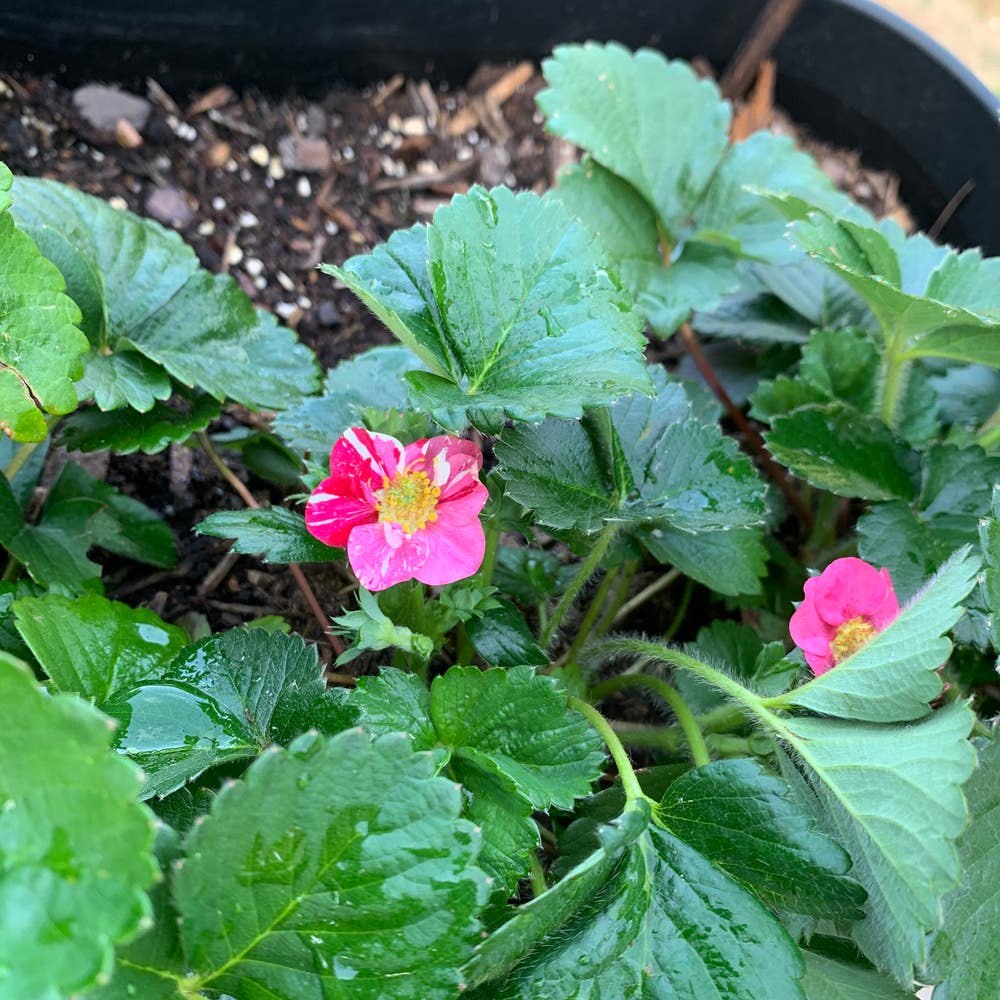
🍓 All About Your Mock Strawberry's Roots
Potentilla indica
By the Greg Editorial Team
Sep 30, 2024•5 min read
This article was created with the help of AI so we can cover more plants for you. May contain errors. See one? Report it here.
- 🌱 Mock strawberries have shallow, fibrous roots that enhance nutrient uptake and soil stability.
- 💧 Consistent moisture is vital; water every 1-2 weeks based on soil moisture levels.
- 🏺 Prevent root issues by ensuring well-draining soil and monitoring for pests regularly.
Type of Root System
Characteristics 🌱
Mock strawberries boast a fibrous root system characterized by shallow roots that spread widely. This design allows for efficient nutrient uptake and plays a crucial role in soil stabilization.
Their adaptability to various soil conditions makes them resilient plants. Whether in sandy, loamy, or clay soils, these roots can thrive, ensuring the plant remains healthy and robust.
Understanding this root system is essential for anyone looking to cultivate mock strawberries successfully. With the right care, these plants can flourish, providing both beauty and bounty.
Next, let’s delve into the specifics of root depth and spread to further appreciate how these roots function.
Root Depth and Spread
Typical Root Depth 🌱
The average root depth of a Mock Strawberry ranges from 6 to 12 inches. This shallow growth allows the plant to quickly access surface moisture, making it resilient in various conditions.
Root Spread and Growth Patterns 🌍
Mock Strawberry roots can spread up to 2 feet in diameter. This lateral spread not only enhances soil stabilization but also helps the plant adapt to changing soil conditions and moisture availability.
Understanding these root characteristics is essential for effective plant care. With the right attention, your Mock Strawberry can thrive beautifully in your garden.
Watering and Fertilizing
Watering Needs 🌊
Mock Strawberries thrive with consistent moisture due to their shallow roots. While they can handle short dry spells, it's best to water them every 1-2 weeks, adjusting based on the soil's moisture levels.
Fertilization Considerations 🌱
During the growing season, a balanced fertilizer can work wonders for your plants. Keep an eye on root health to fine-tune your nutrient application, ensuring your Mock Strawberries get exactly what they need to flourish.
Understanding these watering and fertilizing essentials will set the stage for a vibrant, healthy plant. Next, let’s dive into common root issues that can affect your Mock Strawberry's growth.
Common Root Issues
Identifying Problems 🌱
Mock strawberries can face several root issues, including root rot, nutrient deficiency, and pest infestations. You might notice signs like wilting even when you've watered adequately, yellowing leaves, or stunted growth.
Solutions and Prevention Tips 🛠️
To prevent root rot, ensure your soil drains well. Regularly inspect your plants' roots for pests and diseases to catch problems early.
Using organic fertilizers can help maintain soil health, providing essential nutrients without the risk of chemical buildup. Keeping an eye on your plants will go a long way in ensuring they thrive.
By addressing these common root issues proactively, you can support your mock strawberry's growth and health. Next, let’s explore how to recognize root health indicators to further enhance your plant care.
Root Health Indicators
Visual Cues of Healthy Roots 🌱
Healthy roots are a gardener's best friend. They typically appear white and firm, signaling that your Mock Strawberry is thriving.
You can also gauge root health by observing the plant's overall vigor. Robust growth and lush foliage are clear indicators that the roots are doing their job well.
Signs of Unhealthy Roots 🚨
On the flip side, unhealthy roots can spell trouble. If you notice roots that are brown, mushy, or emitting a foul odor, it’s time to take action.
Other signs of distress include poor growth and leaf drop. These symptoms can indicate underlying issues that need your attention to restore the plant's health.
Understanding these root health indicators will empower you to take proactive steps in maintaining your Mock Strawberry’s vitality. Next, let’s explore how to address rootbound conditions effectively.
Rootbound Plants
Definition and Recognition 🌱
Rootbound plants are those whose roots have grown in tight circles within their pots. This condition restricts growth and can lead to various issues.
Signs of a rootbound plant include roots visibly emerging from drainage holes and stunted growth. If your Mock Strawberry seems to be struggling despite proper care, it might be time to check its root situation.
Addressing Rootbound Issues 🛠️
To tackle rootbound conditions, it's best to act during the growing season. This is when your plant is most resilient and can bounce back quickly.
You have a couple of effective solutions: repot the plant into a larger container or trim the circling roots. Both methods encourage new growth and help your Mock Strawberry thrive again.
Recognizing and addressing rootbound issues is essential for maintaining a healthy plant. With the right care, your Mock Strawberry can flourish and continue to bring joy to your garden.
Next, let's explore the importance of root health in propagation and division.
Propagation and Division
Importance of Root Health 🌱
Healthy roots are the backbone of successful propagation and division. They provide the necessary support for new plants to establish themselves effectively.
Techniques for Dividing ✂️
To propagate your Mock Strawberry, start by carefully separating the runners that have roots attached.
Use a clean, sharp tool to divide clumps, ensuring minimal damage to the roots.
The best time for this process is early spring or fall, as these seasons promote optimal growth conditions.
By focusing on root health and employing these techniques, you can enhance your plant's resilience and ensure a thriving garden.
Next, let’s explore how to identify and address common root issues that may arise.
⚠️ Safety First
This content is for general information and may contain errors, omissions, or outdated details. It is not medical, veterinary advice, or an endorsement of therapeutic claims.
Always consult a qualified healthcare professional before using any plant as food, medicine, or supplement.
Never eat any plant (or feed one to pets) without confirming its identity with at least two trusted sources.
If you suspect poisoning, call Poison Control (800) 222-1222, the Pet Poison Helpline (800) 213-6680, or your local emergency service immediately.
Spotted an error? Please report it here.
Nurture your mock strawberries with vibrant roots 🌱 by using Greg's tailored watering reminders and expert care tips to keep them thriving!