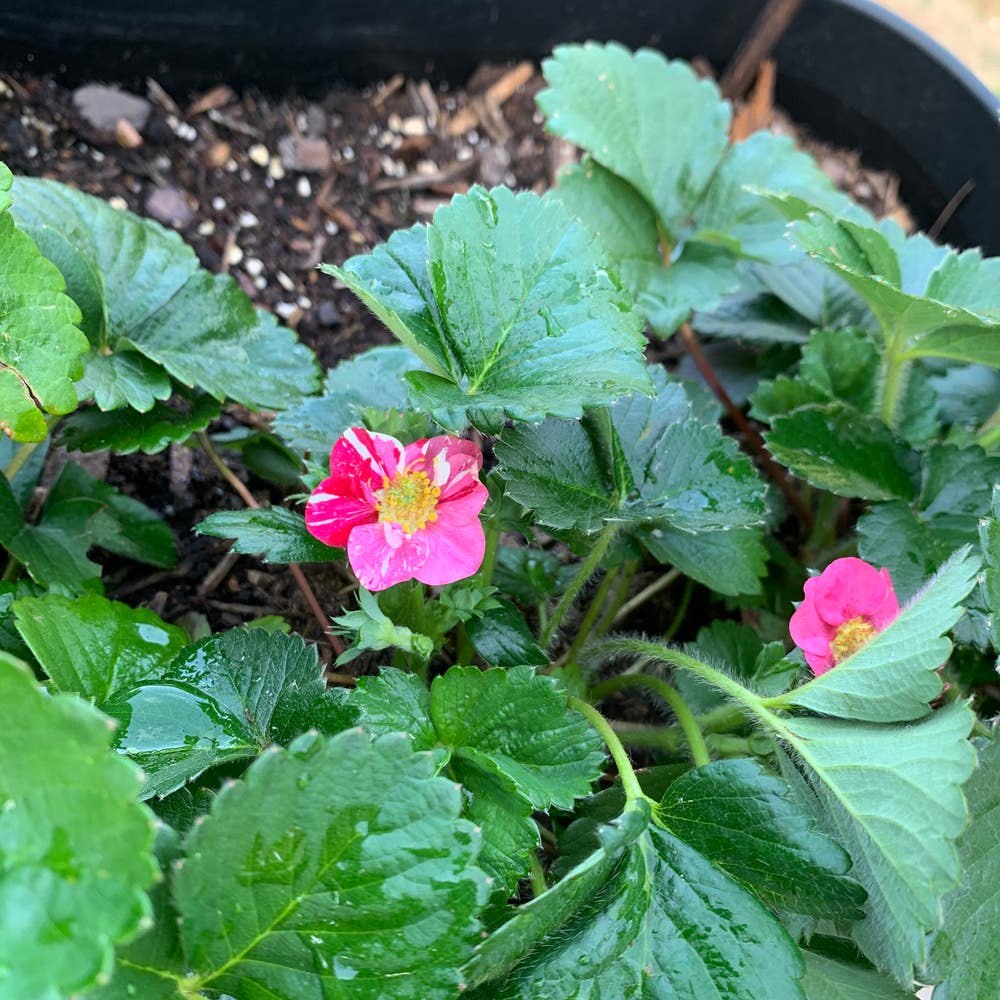
🌡 What Is A Good Temperature Range For My Mock Strawberry?
Potentilla indica
By the Greg Editorial Team
Jun 18, 2024•3 min read
This article was created with the help of AI so we can cover more plants for you. May contain errors. See one? Report it here.
- 60-85°F is ideal for Mock Strawberries to thrive.
- 🌡️ Consistency is key to avoid temperature stress symptoms.
- Mulch and shade cloth help regulate temperature extremes.
Dialing in the Perfect Temperature
🌡️ What's the Sweet Spot?
Mock Strawberries flourish in warm conditions, but like Goldilocks, they want everything just right. The optimal temperature range for these plants is between 60-85 degrees Fahrenheit. They can tolerate a bit more heat, but consistent temperatures above 85 degrees can stress them out.
🌞 Keeping the Heat Just Right
In cooler climates, strategic placement is key. Position Mock Strawberries where they'll soak up the morning sun but are shielded from harsh afternoon rays. In warmer areas, shade cloth can be a Mock Strawberry's best friend, providing a respite from the midday heat.
Mulching helps regulate soil temperature, keeping roots happy. During colder months, a heating mat might be just what the doctor ordered to keep the chill at bay. Just don't cozy it up too close to heaters; these plants aren't fans of dry, scorching air.
Remember, your Mock Strawberries can't move to the shade or grab a drink when they're overheated. It's on you to monitor and adjust their environment. Keep a thermometer handy and stay vigilant. Your Mock Strawberries will thank you with lush growth and maybe even a few mock berries.

When Things Get Too Hot or Too Cold
🌡️ Spotting the Signs of a Temperature Tantrum
Mock Strawberries, like any plant, have their comfort zone. When temperatures stray too far from their ideal range, the plants react. Wilted leaves are the plant's way of saying it's too hot to handle, while stunted growth is a silent scream for a bit more warmth. It's crucial to recognize these signs early, as prolonged stress can lead to a weakened plant and reduced vitality.
🐞 What's Bugging Your Berry?
Temperature stress in Mock Strawberries can come from many sources. Direct sunlight can lead to leaf scorch, whereas too much shade can chill them to the bone. Avoid placing your berries near heat sources or in the path of drafts. Consistency is key—sudden changes in temperature are like jumping from a sauna into a snowbank, and no one, especially not your Mock Strawberries, enjoys that kind of shock. Keep an eye on the forecast and be ready to intervene with shade or protection as needed.

A Quick Nod to Humidity
💦 Just a Dash of Moisture in the Air
Humidity isn't just a side note—it's a key player in the well-being of your Mock Strawberries. The right amount of moisture in the air can mean the difference between flourishing plants and those that struggle.
Warmer air can hold more moisture, which means as temperatures rise, so should the humidity. This is vital for Mock Strawberries, which thrive in a balanced environment.
A hygrometer is your go-to tool, not just a nice-to-have. It's essential for keeping track of humidity levels, ensuring they're neither too high nor too low.
In drier climates, consider using a humidity tray or placing your plants in naturally moist areas like kitchens or bathrooms. This can help maintain the ideal humidity level without constant intervention.
Grouping plants together can create a microclimate that naturally boosts humidity levels. This is a simple yet effective strategy to avoid the dryness that can come with indoor heating systems.
Remember, while you're managing humidity, air circulation is also crucial. It prevents mold and keeps your Mock Strawberries happy. A gentle fan or a slightly open window can work wonders.
Keep an eye out for signs of excess moisture, such as condensation or a general feeling of a swampy atmosphere, and adjust your humidity strategies accordingly.
In summary, humidity and temperature go hand-in-hand. Monitoring and managing both will keep your Mock Strawberries in their happy place.

⚠️ Safety First
This content is for general information and may contain errors, omissions, or outdated details. It is not medical, veterinary advice, or an endorsement of therapeutic claims.
Always consult a qualified healthcare professional before using any plant as food, medicine, or supplement.
Never eat any plant (or feed one to pets) without confirming its identity with at least two trusted sources.
If you suspect poisoning, call Poison Control (800) 222-1222, the Pet Poison Helpline (800) 213-6680, or your local emergency service immediately.
Spotted an error? Please report it here.
Ensure your Mock Strawberries are always in their happy place 🌡️ by letting Greg track the perfect balance of temperature and humidity for you.