🍓 Understanding Mock Strawberry Height
Potentilla indica
By the Greg Editorial Team
Sep 30, 2024•5 min read
This article was created with the help of AI so we can cover more plants for you. May contain errors. See one? Report it here.
- 🌱 Mock strawberries grow 6-12 inches tall, spreading 12-24 inches wide.
- ☀️ Full sun and nutrient-rich soil promote optimal growth and height.
- 🌿 Dwarf and giant varieties cater to different garden sizes and aesthetics.
Mature Height and Spread
Typical Dimensions 🌱
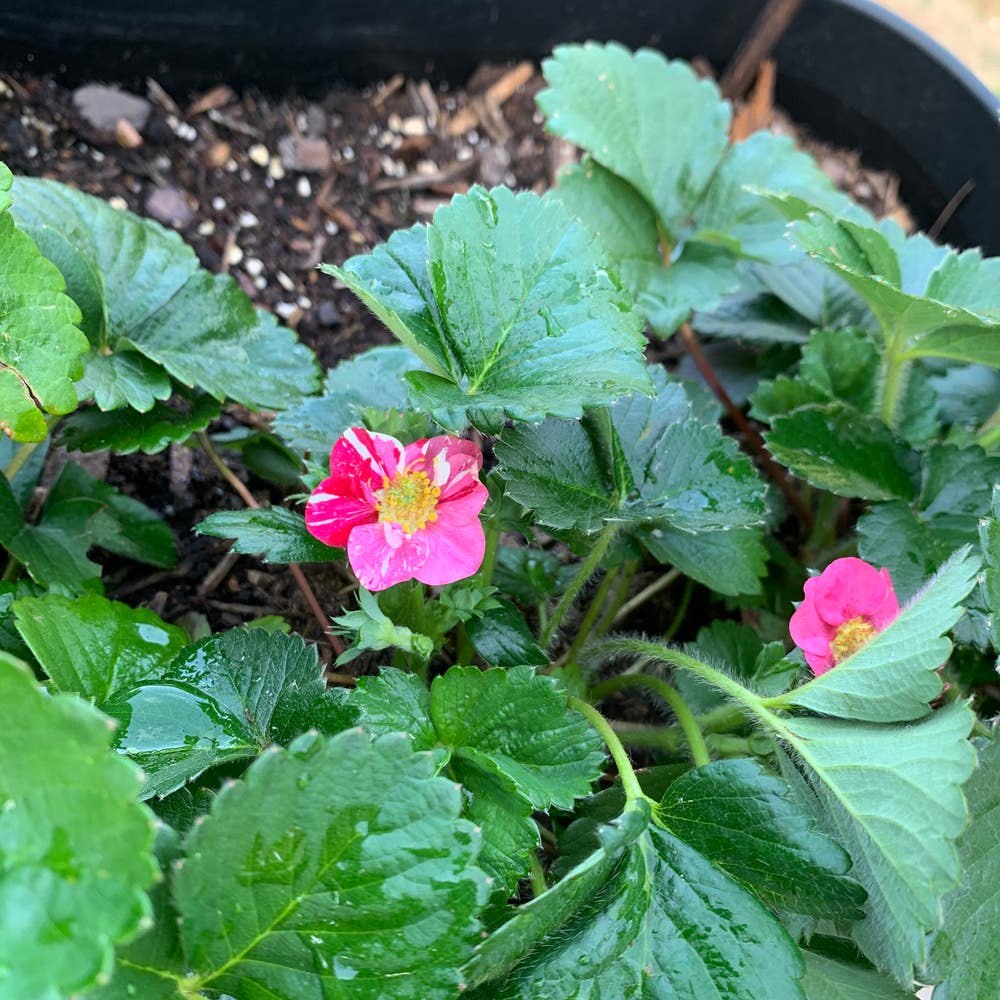
Mock strawberries typically reach a mature height of 6 to 12 inches. Their spread can range from 12 to 24 inches, making them a versatile choice for various garden settings.
Size Variability 📏
Several factors can influence the size of mock strawberries. Environmental conditions, soil quality, and sunlight exposure all play crucial roles in determining their ultimate dimensions.
Environmental Conditions
For instance, plants thriving in well-drained, nutrient-rich soil often exhibit more robust growth compared to those in poor soil conditions.
Sunlight Exposure
Similarly, full sun can encourage taller, bushier plants, while those in partial shade may not reach their full potential.
Understanding these variables can help you create the ideal environment for your mock strawberries, ensuring they flourish beautifully in your garden.
Growth Rate
Average Growth Rate 🌱
Mock strawberries typically exhibit a moderate growth rate, which can fluctuate based on various conditions. Key factors influencing this rate include soil type and fertility, water availability, and the surrounding temperature and climate.
- Soil Type and Fertility: Rich, loamy soils boost growth, while poor soils can hinder it.
- Water Availability: Consistent moisture is crucial; too much or too little can affect development.
- Temperature and Climate: Warmer climates generally promote faster growth.
Time to Reach Full Size ⏳
On average, mock strawberries take about 1 to 2 years to reach their mature dimensions.
- Optimal Conditions: When provided with ideal growing conditions, such as ample sunlight and nutrient-rich soil, growth can accelerate significantly.
- Stress Factors: Conversely, stressors like drought or subpar soil can slow down the growth process, leading to smaller plants.
Understanding these growth dynamics can help you cultivate healthier mock strawberries, ensuring they thrive in your garden. Next, we’ll explore the various varieties available, each with its unique characteristics and benefits.
Varieties
🌱 Dwarf Varieties
Dwarf mock strawberries typically reach a height of 4-6 inches, making them perfect for small gardens or container planting. Their compact size allows for creative landscaping, fitting snugly into tight spaces without overwhelming the area.
Some popular dwarf varieties include:
- 'Alba': Known for its delicate white flowers and lush green foliage, this variety thrives in containers.
- 'Miniature': This variety offers vibrant red berries and is ideal for edging pathways or borders.
🌳 Giant Varieties
On the other end of the spectrum, giant mock strawberries can exceed 12 inches in height. These varieties serve as stunning focal points in larger landscapes, drawing attention with their impressive stature.
Notable giant varieties include:
- 'Giant Red': This variety boasts large, juicy berries and can create a striking visual impact in any garden.
- 'Superb': Known for its robust growth and vibrant foliage, it’s perfect for creating a lush backdrop.
Understanding the differences between dwarf and giant varieties helps gardeners choose the right fit for their space. Whether you’re looking to fill a small nook or make a bold statement, there’s a mock strawberry variety for every garden.
As we explore the influence of growing conditions next, you'll see how factors like soil type and sunlight can further shape these varieties.
Influence of Growing Conditions
Soil Type and Its Effect on Size 🌱
The type of soil plays a crucial role in the growth of mock strawberries. Well-draining loamy soil is ideal, providing the right balance of nutrients and moisture.
In contrast, poor drainage can stunt growth, leading to shorter plants with limited spread. This can be particularly noticeable in heavy clay soils, where roots struggle to thrive.
Sunlight Exposure and Growth Habits ☀️
Sunlight exposure significantly impacts growth rates and mature dimensions. Mock strawberries thrive in full sun, which encourages robust growth and vibrant foliage.
Partial shade can lead to slower growth and smaller plants. For optimal results, aim for at least six hours of direct sunlight daily.
Watering Practices and Their Impact on Dimensions 💧
Consistent moisture is vital for healthy growth. Overwatering can lead to root rot, while underwatering can cause stunted growth and smaller dimensions.
To maintain size control, water mock strawberries regularly but ensure the soil drains well. This balance helps the plants reach their full potential without unnecessary stress.
Understanding these growing conditions will empower you to cultivate healthier, more vibrant mock strawberries. Next, we’ll explore effective size control techniques to keep your plants looking their best.
Size Control Techniques
Pruning Methods for Size Management 🌿
Effective pruning is essential for managing the size of mock strawberries. The best seasons for pruning are early spring or late fall, when the plant is dormant.
When pruning, focus on removing dead or overcrowded branches. This not only helps maintain the desired size but also promotes better air circulation and light penetration.
Pruning can significantly enhance the overall health and aesthetics of your plants. A well-pruned mock strawberry will thrive and produce more vibrant foliage and flowers.
Other Techniques to Control Growth 📏
Ground cover management is another effective way to control the size of your mock strawberries. Consider spacing and planting density to prevent overcrowding, which can lead to stunted growth.
Using barriers or edging can also limit the spread of your plants. This technique is particularly useful in larger gardens, ensuring that your mock strawberries stay within their designated area.
By implementing these size control techniques, you can maintain a beautiful and manageable garden. Next, let’s explore how different growing conditions influence the size of mock strawberries.
⚠️ Safety First
This content is for general information and may contain errors, omissions, or outdated details. It is not medical, veterinary advice, or an endorsement of therapeutic claims.
Always consult a qualified healthcare professional before using any plant as food, medicine, or supplement.
Never eat any plant (or feed one to pets) without confirming its identity with at least two trusted sources.
If you suspect poisoning, call Poison Control (800) 222-1222, the Pet Poison Helpline (800) 213-6680, or your local emergency service immediately.
Spotted an error? Please report it here.
Unlock the full potential of your mock strawberries 🌱 with Greg's tailored care reminders that ensure optimal soil, sunlight, and watering for a thriving garden!