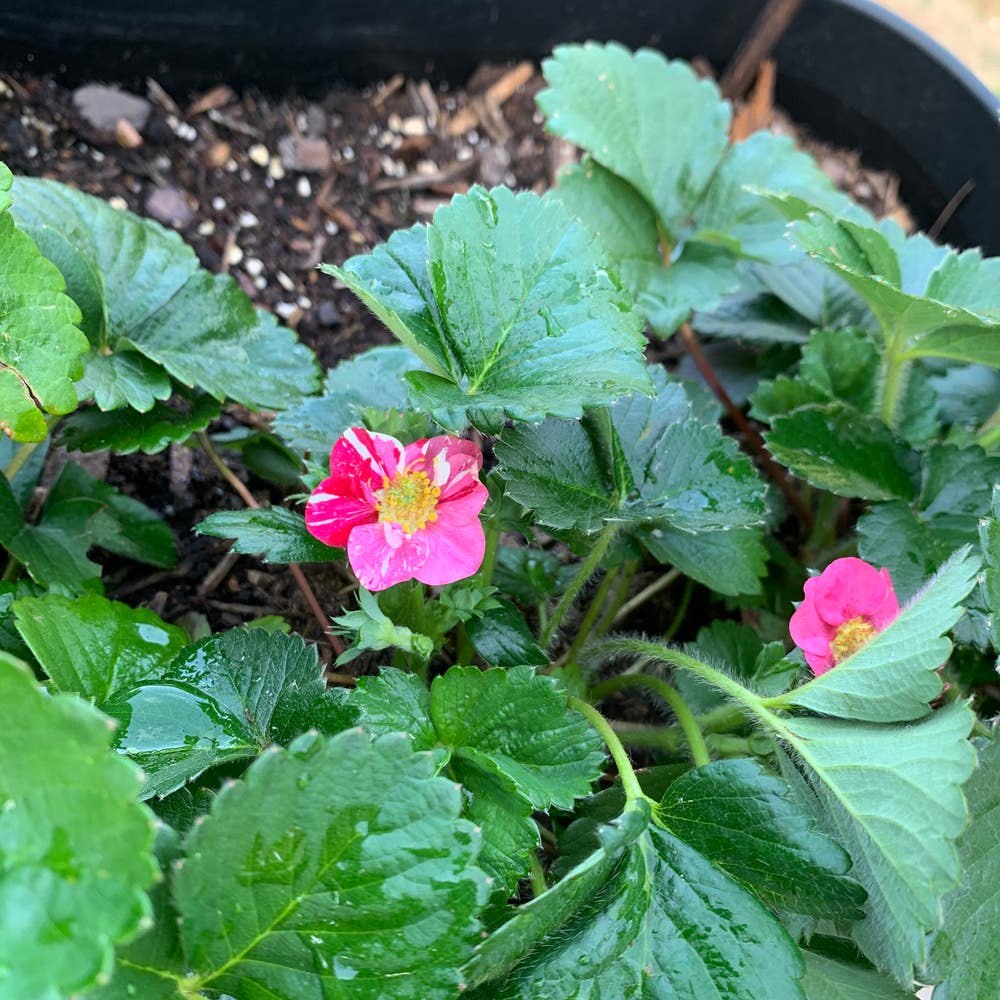
10 Benefits of Having a Mock Strawberry 🍓
Potentilla indica
By the Greg Editorial Team
Jun 18, 2024•5 min read
This article was created with the help of AI so we can cover more plants for you. May contain errors. See one? Report it here.
- Ornamental and symbolic, reflecting simplicity and humility in its trifoliate leaves and yellow flowers.
- Low maintenance ground cover that attracts wildlife and protects soil.
- Edible, medicinal, and Feng Shui benefits, with deep cultural significance.
Aesthetic Appeal and Symbolic Charm
🌼 Ornamental Beauty
The Mock Strawberry dazzles with its trifoliate leaves and sunny yellow blossoms. Cultures worldwide have marveled at its verdant foliage, which brings a serene touch to gardens and indoor spaces alike. Its springtime display of petite, yet vibrant flowers offers a visual feast that can rival the more ostentatious garden varieties.
🌱 Symbolism of Simplicity
Embodying humility, the Mock Strawberry's modest appearance has made it a symbol of simplicity across various traditions. Its unpretentious growth and delicate flowers serve as a reminder of nature's understated elegance, resonating with values of minimalism and purity. This plant's presence in a space is a subtle nod to the beauty of the unadorned, a quality often overlooked in a world chasing the ornate.

Practical Perks in Your Garden
🌱 Low Maintenance
Mock Strawberries are the garden equivalent of a low-key friend. They don't demand constant attention, thriving with minimal fuss. Forget the frequent watering, the endless cycle of fertilizing, or the dread of disease control. This plant is resilient, content with the occasional check-in, making it a perfect match for gardeners who value their sanity and time.
🌿 Ground Cover Superstar
As a ground cover, Mock Strawberries are like nature's own green carpet, spreading out to protect your soil from erosion and the tyranny of weeds. They're not just sitting pretty; they're hard at work ensuring that unwanted plants don't crash your garden party. Their dense foliage acts as a living mulch, keeping the soil moist and cool, and giving weeds the cold shoulder. Plus, they're not invasive, so you won't have to worry about them taking over your garden like some botanical super-villain.

Nature's Little Helpers
🌼 Wildlife Attraction
The Mock Strawberry's flowers beckon a variety of insects, from bees to butterflies, creating a hub for pollination. Birds, drawn to the vibrant berries, find a feast. This interplay is more than ecological; it's a cultural narrative, with each creature playing a role in local folklore and symbolizing the interconnectedness of life.
🍓 Edible Delights
Surprise: Mock Strawberry fruits are edible. Though not as flavorful as true strawberries, they're a quirky addition to the forager's basket, and they hold a place in regional stories and traditions. They're a reminder of nature's bounty, often hidden in plain sight, waiting to be rediscovered and appreciated anew.

Health and Harmony
💊 Medicinal Uses
The Mock Strawberry offers a trove of traditional remedies, echoing its historical significance. Its leaves, recognized for their analgesic properties, have been used to soothe aches. The plant's roots, when boiled, can act as a cure for skin irritations, reminiscent of practices from ancient texts. While the fruit is not commonly used medicinally, it's crucial to note that the plant should never be ingested in large quantities due to potential toxicity.
🌿 Feng Shui and Aromatic Ambiance
In the realm of Feng Shui, the Mock Strawberry is more than mere ground cover; it's a vibe-shifter. Its lush greenery and small, yellow flowers are believed to repel negative energy, fostering an atmosphere brimming with positivity. The plant's subtle fragrance contributes to a serene environment, much like the calming effect of lavender, making it a dual force for tranquility and aesthetic pleasure.
Cultural Tapestry
🍓 Cultural Significance
The Mock Strawberry (Duchesnea indica) is more than just ground cover; it's a plant with a story. Native to eastern and southern Asia, it has woven its way into various cultures, not just as an ornamental delight but also through its medicinal properties.
🌍 Global Journey
It has traveled far from its Asian roots, finding a home in many gardens across the globe. Its edible berries, while not as sweet as true strawberries, have their own place in local traditions, symbolizing the joy of simple pleasures.
🧚 Folklore and Tradition
In Bavaria, wild strawberries are tied to fairy folklore and agricultural customs. They're seen as an offering to faeries for cattle protection and prosperity, reflecting a deep connection between nature and supernatural beliefs.
🌱 Symbolic Resilience
While not as steeped in ancient mythology as some plants, Mock Strawberry has become a modern symbol of adaptability. Its ability to thrive in diverse conditions mirrors our globalized society's resilience.
🎨 Artistic Inspiration
Artists and writers are beginning to take note of the Mock Strawberry's metaphorical potential. Its understated beauty and hardiness make it a fresh emblem for modern life's simplicity.
🌟 Cultural Beacon
In some cultures, the plant is tied to good fortune and abundance, much like the Strawberry Begonia in Japanese culture. It's believed to bring luck and prosperity, a sentiment echoed in Chinese folklore during the Lunar New Year.
📬 Stamps of Approval
The Mock Strawberry's appeal has even reached philatelic heights, being depicted on postage stamps. This small nod is a testament to its global cultural resonance.
In essence, the Mock Strawberry is a plant with a narrative as rich as its foliage, a testament to its biocultural importance. It may not demand the spotlight, but its presence is a subtle yet constant reminder of nature's intertwined relationship with human culture.
⚠️ Safety First
This content is for general information and may contain errors, omissions, or outdated details. It is not medical, veterinary advice, or an endorsement of therapeutic claims.
Always consult a qualified healthcare professional before using any plant as food, medicine, or supplement.
Never eat any plant (or feed one to pets) without confirming its identity with at least two trusted sources.
If you suspect poisoning, call Poison Control (800) 222-1222, the Pet Poison Helpline (800) 213-6680, or your local emergency service immediately.
Spotted an error? Please report it here.
Cultivate your garden's symbol of simplicity 🍀 with Mock Strawberries and watch them thrive with the personalized care plans from Greg, your partner in celebrating nature's understated elegance.