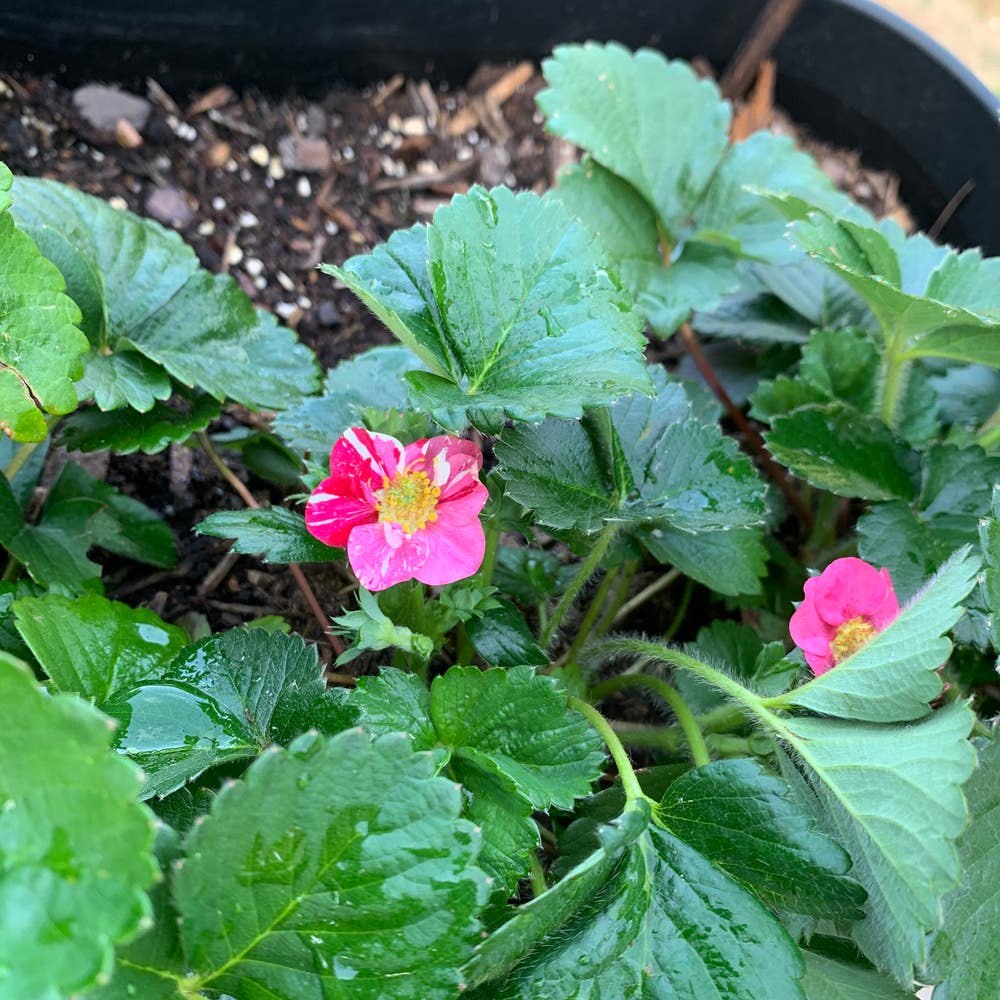
🍓 Ultimate Guide to Indian Strawberry Roots
Potentilla indica
By the Greg Editorial Team
Nov 07, 2024•6 min read
This article was created with the help of AI so we can cover more plants for you. May contain errors. See one? Report it here.
- 🌱 Indian strawberries thrive with a fibrous root system essential for stability.
- 💧 Proper watering prevents root rot; adjust frequency based on weather conditions.
- 🌿 Healthy roots are vital for propagation and plant resilience against stressors.
Root System Characteristics
Type of Root System 🌱
The Indian strawberry features a fibrous root system that plays a crucial role in its growth and stability. This type of root system is characterized by thin, branching roots that spread extensively, allowing the plant to efficiently absorb water and nutrients from the soil.
Root Depth, Spread, and Growth Patterns 📏
On average, the roots of Indian strawberries reach a depth of 12 to 18 inches. This depth is complemented by a wide spread, which supports the plant's growth and stability.
The development of runners is a notable feature of this plant, as they produce new roots that enhance its ability to thrive. Seasonal growth patterns also significantly impact overall plant health, with roots adapting to varying conditions throughout the year.
Understanding these root characteristics is essential for effective care and cultivation of Indian strawberries. By recognizing how the root system functions, gardeners can better support the plant's needs and ensure a bountiful harvest.
Next, we will explore how the root system influences watering, fertilizing, and transplanting practices.
Watering, Fertilizing, and Transplanting
🌱 How Root System Affects Watering Needs
The fibrous root system of Indian strawberries requires careful attention to watering. With an average root depth of 12-18 inches, these roots can absorb moisture effectively, but they also need to breathe.
Watering frequency should align with the root depth and spread. Generally, watering once a week is sufficient, but this can vary based on weather conditions. It's crucial to avoid overwatering, as this can lead to root rot, a common issue that can devastate your plants.
🌿 Fertilization Considerations Based on Root Health
Fertilization plays a vital role in maintaining healthy roots. Organic fertilizers, such as compost or well-rotted manure, are excellent choices for Indian strawberries.
Timing is key; fertilize in early spring as new growth begins and again in mid-summer. This approach supports root health and encourages robust plant growth.
🌍 Best Practices for Transplanting
Transplanting can be a delicate process, and timing is essential. The best times to transplant Indian strawberries are early spring or fall when the plants are less stressed.
Follow these steps for successful transplanting:
- Prepare the new planting site: Ensure it's well-drained and enriched with organic matter.
- Gently remove the plant: Take care not to damage the roots during this process.
- Minimize root disturbance: Keep the root ball intact to promote quicker recovery.
- Water thoroughly after transplanting: This helps settle the soil around the roots and reduces transplant shock.
By following these practices, you can ensure your Indian strawberries thrive in their new environment. This sets the stage for discussing common root-related issues, which can arise even with the best care.
Common Root-Related Issues
🌱 Identifying and Solving Root Problems
Root-related issues can significantly affect the health of your Indian Strawberry plants. Two common problems are root rot and rootbound conditions.
Root Rot
Root rot occurs when roots sit in overly saturated soil, leading to decay. Symptoms include wilting, yellowing leaves, and stunted growth.
Rootbound Conditions
Rootbound plants have roots that grow out of drainage holes, indicating they need more space. This can also lead to poor nutrient uptake and overall plant decline.
🚫 Tips for Preventing Root Rot
To prevent root rot, ensure proper drainage in pots and soil. Use pots with drainage holes and consider adding perlite or sand to improve soil aeration.
Additionally, adopt careful watering practices. Water your plants enough to maintain moisture but avoid over-saturation, which can suffocate roots.
👀 Signs of Rootbound Conditions
Recognizing rootbound conditions early can save your plants. Look for roots visibly growing out of the drainage holes or a plant that seems stunted despite adequate care.
🛠️ Steps to Remedy Rootbound Issues
If you find your plant is rootbound, follow these steps for a successful remedy:
- Carefully remove the plant from the pot. Gently loosen the soil around the roots to minimize damage.
- Trim excessively long roots. This encourages new growth and helps the plant adapt to its new space.
- Repot in a larger container with fresh soil. Choose a pot that allows for further growth and provides adequate drainage.
By addressing these common root-related issues, you can ensure your Indian Strawberry plants thrive. Healthy roots are the foundation of vibrant plants, setting the stage for robust growth and fruit production.
Next, we’ll explore indicators of root health to help you maintain your plants effectively.
Indicators of Root Health
👀 Visual Cues for Healthy and Unhealthy Roots
Healthy roots are essential for the vitality of your Indian Strawberry plants. Look for roots that are firm, with a white or light tan color and minimal odor. These characteristics indicate that the roots are thriving and capable of effectively absorbing nutrients and water.
In contrast, unhealthy roots present a stark warning. If you notice dark, mushy textures or a foul smell, it’s a sign that your plant is struggling. Stunted growth often accompanies these symptoms, indicating that the roots are not functioning properly.
🔍 Importance of Regular Root Checks
Regular root checks are crucial for maintaining plant health. By inspecting the roots periodically, you can catch issues early and take corrective action. This proactive approach helps ensure your Indian Strawberry plants remain robust and productive.
Taking the time to monitor root health not only enhances your gardening experience but also fosters a deeper connection with your plants. Remember, healthy roots lead to thriving plants, so make root inspections a part of your routine.
As you cultivate your understanding of root health, you'll be better equipped to support your plants' growth and resilience. Next, we’ll explore how the root system impacts overall plant health and vitality.
Impact of Root System on Overall Plant Health
🌱 Role of Roots in Growth and Resilience
Roots are the unsung heroes of plant health, playing a crucial role in nutrient and water uptake. A well-developed root system allows Indian strawberries to absorb essential minerals and moisture, which directly influences their growth and vitality.
Healthy roots are closely linked to plant vigor. When roots are strong and extensive, they can better withstand stress factors such as drought, pests, and diseases. This resilience is vital for maintaining overall plant health and productivity.
🌿 Importance of Root Health in Propagation
Healthy roots are key to successful propagation, ensuring that new plants thrive. When propagating Indian strawberries, focus on identifying robust runners that can develop into strong new plants.
To divide established plants effectively, follow these steps:
- Carefully separate the root systems to minimize damage.
- Replant immediately in suitable conditions to encourage growth.
Timing is also essential for propagation; early spring or late summer are ideal for optimal results. This ensures that new plants have the best chance to establish themselves before the harsher conditions of summer or winter set in.
In summary, a healthy root system not only supports the current plant but also lays the groundwork for future generations. By nurturing root health, you enhance the resilience and adaptability of your Indian strawberries, paving the way for a flourishing garden.
⚠️ Safety First
This content is for general information and may contain errors, omissions, or outdated details. It is not medical, veterinary advice, or an endorsement of therapeutic claims.
Always consult a qualified healthcare professional before using any plant as food, medicine, or supplement.
Never eat any plant (or feed one to pets) without confirming its identity with at least two trusted sources.
If you suspect poisoning, call Poison Control (800) 222-1222, the Pet Poison Helpline (800) 213-6680, or your local emergency service immediately.
Spotted an error? Please report it here.
Grow bountiful Indian strawberries 🍓 by using Greg's tailored watering reminders and expert care tips to keep those vital roots healthy and thriving!