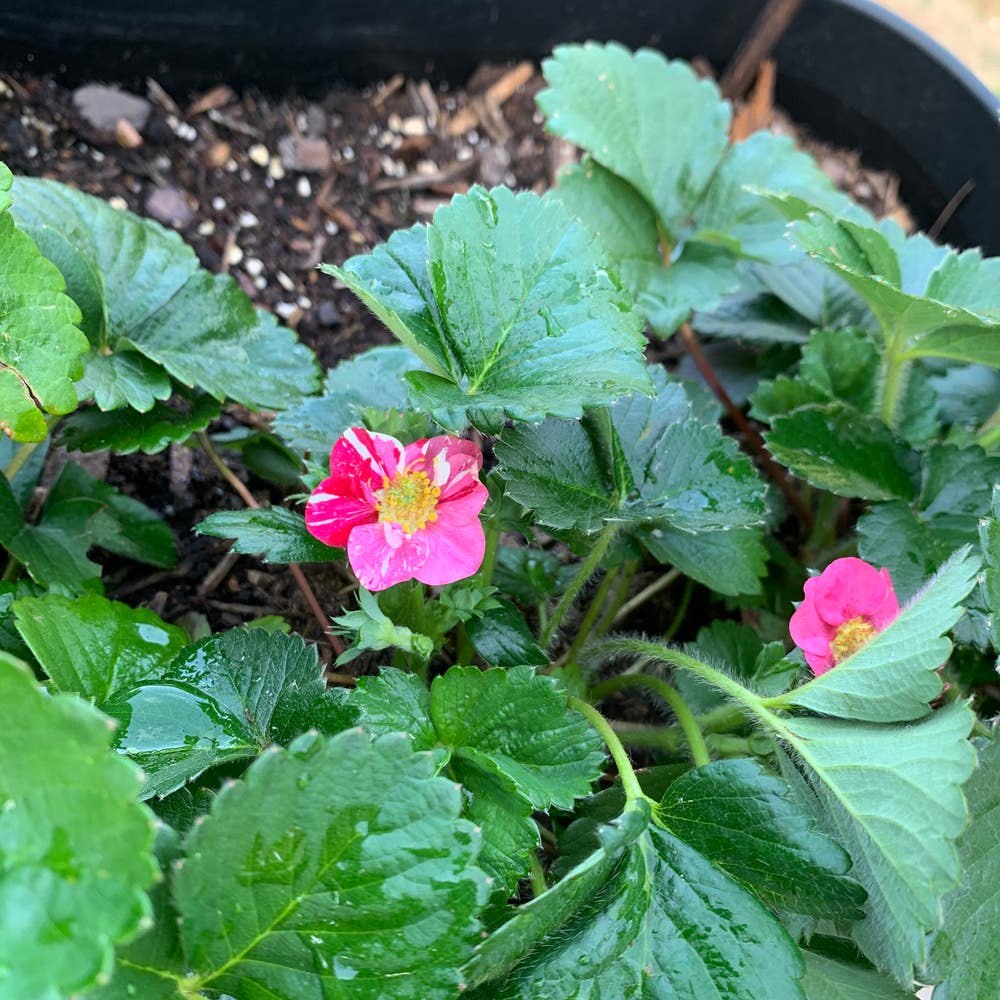
What Are The Bugs on My Mock Strawberry? 🐛
Potentilla indica
By the Greg Editorial Team
Jun 18, 2024•4 min read
This article was created with the help of AI so we can cover more plants for you. May contain errors. See one? Report it here.
- Spider mites, scale insects, and mealybugs are common Mock Strawberry pests.
- Effective remedies vary: water, neem oil, alcohol solutions, and insecticidal soap.
- Prevent infestations with regular inspections, proper care, and quarantine for new plants.
Spot the Invaders: Identifying Common Pests
🕷️ Spider Mites
Tiny specks or a dusting of fine webs on your Mock Strawberry? You've got spider mites. These minuscule arachnids, often red or brown, love dry conditions and can cause leaves to look stippled or speckled. Left unchecked, they'll turn leaves yellow and cause them to drop.
🛡️ Scale Insects
Sticky waxy bumps on stems or leaves? That's the armor of scale insects. They're sap-suckers that excrete honeydew, which can lead to sooty mold. They might look like immobile bumps, but they're alive and harming your plant.
🦟 Fungus Gnats and Fruit Flies
A cloud of tiny black flies is a dead giveaway for fungus gnats or fruit flies. These pests love moist soil and can be a real nuisance, with larvae that can harm young plants by feeding on roots.
🐛 Mealybugs
If you spot cotton-like fluff on your Mock Strawberry, mealybugs have invited themselves over. They leave a cottony residue as they feed on your plant's sap, and they're not shy about making themselves at home.
🦗 Other Frequent Flyers
Occasionally, you might see other pests like aphids or thrips. Vigilance is your best defense—regular inspections can help you spot these invaders early.

Battle Tactics: Effective Remedies for Each Pest
🕷️ Spider Mites
Wiping out the web-weavers
Spider mites detest moisture. Blast them with water to disrupt their delicate webs. For a lasting solution, neem oil and insecticidal soaps are your allies. Apply liberally, ensuring every nook is covered. In dire situations, miticides like abamectin may be necessary, but remember, they're the nuclear option.
🛡️ Scale Insects
Scraping off the scales
Physical removal is your first line of defense against scale insects. Use alcohol-dipped swabs for precision strikes. For a more extensive infestation, a soap and oil mixture works wonders. If you're at your wit's end, it might be time for systemic insecticides—use sparingly.
🦟 Fungus Gnats and Fruit Flies
Grounding the gnats
Sticky traps are the silent assassins for adult fungus gnats and fruit flies. If the soil's their breeding ground, let it dry out between waterings. Introduce nematodes to target larvae. They're the unseen heroes working diligently below the surface.
🐜 Mealybugs
Melting the mealybugs
Mealybugs are suckers for alcohol—literally. Wipe them out with an alcohol and water solution. For a more stubborn crowd, insecticidal soap or a horticultural oil like Hortipo can be effective. Regular applications may be needed to keep these fluffy fiends at bay.
🐞 Other Pests
General countermeasures
For the occasional uninvited guest, start with the least harmful methods. Predatory insects like ladybugs can be the guardians of your garden. If chemical treatments are unavoidable, opt for biorational pesticides to minimize environmental impact. Always be proactive; early detection can prevent a full-scale invasion.

Fortify Your Plant: Preventative Measures
🛡️ Building a Bug Barrier
Regular maintenance is your Mock Strawberry's armor against pests. Remove dead foliage and control weeds to slash the chances of infestation. Rotate planting spots if you've been loyal to one location; it's a refresh button for the soil, discouraging nematodes and soilborne diseases.
👩⚕️ Regular Mock Strawberry Check-Ups
Vigilance is the guardian of plant health. Inspect your Mock Strawberry often, especially during routine care like watering. Look for chewed leaves, sticky substances, or fine webbing—these are red flags. A weekly check is the bare minimum; more frequent is even better.
🌞 Sunlight and Airflow: Your Moat and Walls
Ensure your Mock Strawberry enjoys plenty of sunlight and airflow. It's like having a moat and walls around a fortress, deterring pest invasions. Proper drainage is crucial too; soggy soil is a VIP invite for pests.
🍽️ Feeding and Pruning: Keep Your Plant Robust
Feed and prune your Mock Strawberry regularly. A robust plant is like a scarecrow to pests; it's less appealing and stands strong against invasions.
🚫 Quarantine New Plants
When new plants enter your space, quarantine them. It's like a background check for plants, preventing any hitchhiking pests from spreading to your Mock Strawberry.
🐞 Promote Beneficial Predators
Include flowering plants to attract predatory insects. It's like recruiting an army to defend your Mock Strawberry without lifting a finger.
🌿 Potted Plant Advantage
Consider growing Mock Strawberries in pots. It's a strategic elevation, keeping them out of reach from some ground-dwelling pests.

⚠️ Safety First
This content is for general information and may contain errors, omissions, or outdated details. It is not medical, veterinary advice, or an endorsement of therapeutic claims.
Always consult a qualified healthcare professional before using any plant as food, medicine, or supplement.
Never eat any plant (or feed one to pets) without confirming its identity with at least two trusted sources.
If you suspect poisoning, call Poison Control (800) 222-1222, the Pet Poison Helpline (800) 213-6680, or your local emergency service immediately.
Spotted an error? Please report it here.
Keep your mock strawberries pest-free 🌱 with Greg's personalized reminders for regular inspections and expert care tips to nip those bugs in the bud!