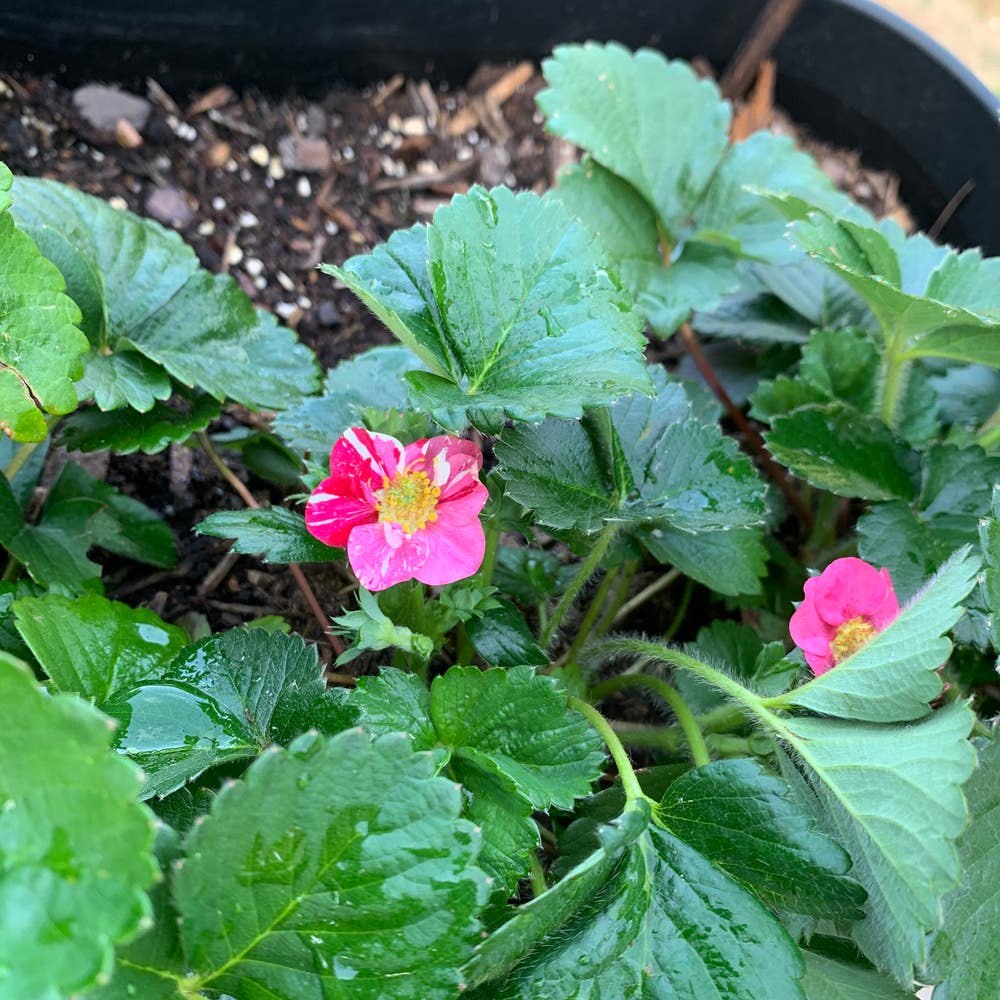
9 Factors Affecting Indian Strawberry Flowering 🌸
Potentilla indica
By the Greg Editorial Team
Nov 07, 2024•6 min read
This article was created with the help of AI so we can cover more plants for you. May contain errors. See one? Report it here.
- 🌞 Adequate sunlight is crucial for triggering Indian strawberry flowering cycles.
- 🌱 Nutritional deficiencies in nitrogen, phosphorus, and potassium hinder flowering success.
- 🌡️ Temperature and soil health are vital for maximizing bloom potential in strawberries.
Failure to Bloom
🌞 Causes
Insufficient Light Exposure
Adequate sunlight is crucial for triggering the bloom cycle in Indian strawberries. Without enough light, plants can become weak and fail to produce flowers.
Poor Soil Nutrition
Nutritional deficiencies can lead to poor plant health, making it difficult for strawberries to bloom. Essential nutrients like nitrogen, phosphorus, and potassium (N-P-K) must be balanced for optimal growth.
Incorrect Temperature Conditions
Temperature plays a significant role in flowering. Indian strawberries thrive in specific temperature ranges, and deviations can hinder their ability to bloom.
💡 Solutions
Adjusting Light Exposure
To increase sunlight access, consider relocating plants to sunnier spots or using reflective materials to enhance light distribution. Ensuring at least 6-8 hours of direct sunlight daily can significantly boost flowering potential.
Enhancing Soil Fertility
Improving soil fertility is vital for healthy blooms. Use well-balanced fertilizers and organic amendments like compost to enrich the soil and provide necessary nutrients.
Managing Temperature
Maintaining ideal temperature ranges can be achieved through various techniques. Use shade cloths during extreme heat or row covers during cooler nights to protect plants and encourage blooming.
By addressing these factors, you can significantly improve the chances of your Indian strawberries flowering successfully. Next, we’ll explore the issue of premature flower drop and how to prevent it.
Premature Flower Drop
🌪️ Causes
Environmental Stress Factors
Sudden changes in weather or humidity can significantly stress strawberry plants. These fluctuations can lead to premature flower drop, disrupting the blooming cycle.
Overwatering Issues
Excessive soil moisture poses a serious risk to flowering. Overwatering can suffocate roots and create an environment conducive to root rot, ultimately causing buds to drop.
Pest Infestations
Pests are another common culprit behind flower drop. Infestations from insects like aphids or spider mites can weaken plants and lead to the loss of developing flowers.
🛠️ Solutions
Monitoring Water Levels
To prevent overwatering, regularly check soil moisture levels. Aim for a balance that keeps the soil consistently moist but not soggy.
Implementing Pest Control Measures
Adopt both organic and chemical pest control options to manage infestations. Regular monitoring and timely interventions can protect your plants from pests that threaten flower development.
Improving Air Circulation
Enhancing airflow around your strawberry plants can mitigate stress. Techniques such as spacing plants adequately and using fans in greenhouses can promote better air circulation, reducing humidity levels and the risk of flower drop.
By addressing these causes and implementing effective solutions, you can help ensure your strawberry plants thrive and produce beautiful blooms. Next, we will explore abnormal flower development and its underlying factors.
Abnormal Flower Development
🌱 Causes
Nutritional Imbalances
Nutritional imbalances can significantly impact flower quality in Indian strawberries. The right nutrient ratios are crucial; too much of one nutrient can hinder the absorption of others, leading to poor flower development.
Genetic Factors
Genetics also play a pivotal role in flower morphology. Some plants may naturally produce fewer or malformed flowers due to inherited traits, which can be frustrating for growers aiming for a bountiful harvest.
Disease Presence
Diseases can wreak havoc on flower formation. Common ailments like powdery mildew or root rot can disrupt the plant's ability to produce healthy blooms, ultimately affecting yield.
💡 Solutions
Conducting Soil Testing
To tackle abnormal flower development, start with soil testing. Assessing nutrient levels helps identify deficiencies or excesses that could be stunting flower growth.
Balanced Fertilization Practices
Implement balanced fertilization practices to ensure optimal nutrient ratios. Recommended N-P-K ratios for flowering typically hover around 5-10-10, promoting robust blooms while preventing imbalances.
Disease Management Strategies
Lastly, adopt effective disease management strategies. Preventive measures, such as crop rotation and proper sanitation, can minimize disease risks, while targeted treatments can address any issues that arise.
By understanding the causes and implementing these solutions, you can foster a healthier flowering cycle in your Indian strawberries. This proactive approach not only enhances flower quality but also sets the stage for a fruitful harvest.
Next, we’ll explore the critical nutritional factors that influence flowering, ensuring your plants have everything they need to thrive.
Nutritional Factors
🌱 Essential Nutrients
To achieve optimal bloom in Indian strawberries, understanding the key nutrients is crucial. The primary nutrients to focus on are nitrogen (N), phosphorus (P), and potassium (K), commonly referred to as N-P-K ratios.
- Nitrogen promotes lush foliage, which is essential for photosynthesis.
- Phosphorus is vital for root development and flower formation.
- Potassium enhances overall plant health and improves fruit quality.
Recognizing signs of nutrient deficiencies can help you take timely action. Yellowing leaves, stunted growth, and poor flower production often indicate that your plants are lacking essential nutrients.
🌍 Soil Health
Soil health plays a pivotal role in nutrient availability. The pH level and texture of your soil can significantly influence how well your plants absorb nutrients.
- Soil pH should ideally be between 5.5 and 6.5 for strawberries. This range ensures that nutrients are accessible to the plants.
- Soil texture affects drainage and aeration, impacting root health and nutrient uptake.
To enhance soil health and promote better flowering, consider using organic and inorganic amendments. Compost, well-rotted manure, and balanced fertilizers can enrich the soil, providing the necessary nutrients for robust flowering.
By focusing on these nutritional factors, you can create an environment where your Indian strawberries thrive and produce beautiful blooms. This foundation will set the stage for effective pruning techniques, which we will explore next.
Pruning Techniques
Timing 🌱
Pruning at the right time is crucial for encouraging flowering in Indian strawberries. The best practice is to prune in early spring, just before the growing season begins, as this stimulates new growth and maximizes bloom potential.
Improper pruning can lead to significant setbacks. Late or excessive pruning may remove essential buds, resulting in fewer flowers and a disappointing harvest.
Techniques ✂️
To achieve maximum bloom potential, follow these step-by-step pruning methods:
- Assess the Plant: Start by examining the overall health of the plant. Look for dead or damaged branches that need removal.
- Make Clean Cuts: Use sharp, sterilized pruning shears to make clean cuts. This minimizes the risk of disease and promotes quicker healing.
- Focus on Shape: Trim to maintain an open shape, allowing sunlight and air to reach all parts of the plant. This encourages healthy growth and flowering.
Tools and Methods 🛠️
Using the right tools is essential for successful pruning. Here are some recommended tools:
- Pruning Shears: Ideal for small branches and precise cuts.
- Loppers: Useful for thicker branches that require more leverage.
- Gloves: Protect your hands from thorns and sharp edges.
By employing these techniques and tools, you can enhance the flowering potential of your Indian strawberries, leading to a more fruitful harvest.
With proper timing and technique, your plants will thrive and produce beautiful blooms. Next, let's explore the nutritional factors that play a vital role in flowering.
⚠️ Safety First
This content is for general information and may contain errors, omissions, or outdated details. It is not medical, veterinary advice, or an endorsement of therapeutic claims.
Always consult a qualified healthcare professional before using any plant as food, medicine, or supplement.
Never eat any plant (or feed one to pets) without confirming its identity with at least two trusted sources.
If you suspect poisoning, call Poison Control (800) 222-1222, the Pet Poison Helpline (800) 213-6680, or your local emergency service immediately.
Spotted an error? Please report it here.
Unlock a bountiful strawberry harvest 🍓 by using Greg's tailored care tips to ensure your plants get the perfect sunlight and nutrients they need to bloom beautifully!