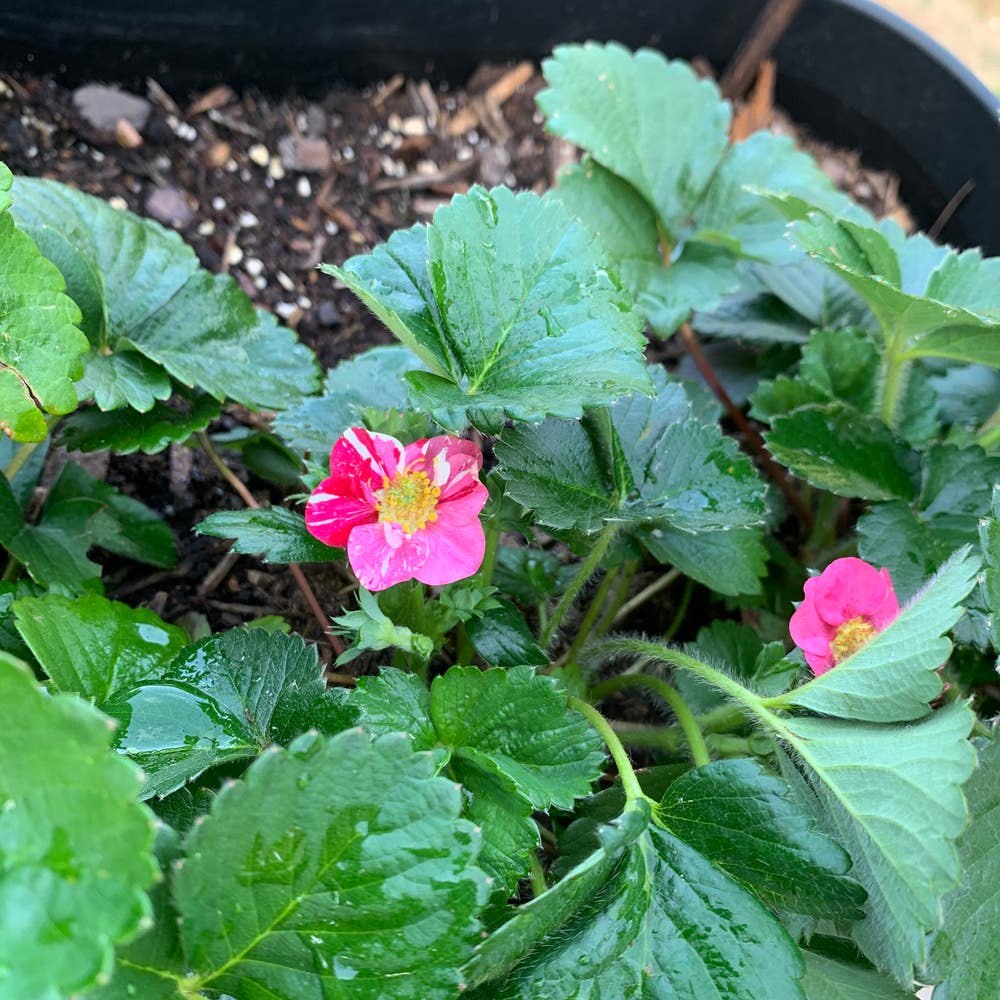
🍓 How to Fix Yellow Leaves on Your Indian Strawberry
Potentilla indica
By the Greg Editorial Team
Nov 07, 2024•7 min read
This article was created with the help of AI so we can cover more plants for you. May contain errors. See one? Report it here.
- 🌱 Yellow leaves indicate issues like nutrient deficiencies, pests, or watering problems.
- 💧 Overwatering and underwatering both cause yellowing; maintain consistent moisture for health.
- 🐛 Pests like aphids can lead to yellow leaves; monitor and treat promptly.
Causes of Yellow Leaves
Yellow leaves on your Indian Strawberry can be a sign of various underlying issues. Understanding these causes is crucial for restoring your plant's health.
🌱 Nutrient Deficiencies
Nitrogen Deficiency
Nitrogen deficiency manifests as general yellowing of older leaves and stunted growth. This nutrient is vital for chlorophyll production, which is essential for photosynthesis and overall plant vigor.
Iron Deficiency
Iron deficiency presents as yellowing between leaf veins, known as interveinal chlorosis, especially in younger leaves. Iron plays a critical role in photosynthesis and enzyme function, making it indispensable for healthy plant growth.
💧 Overwatering and Poor Drainage
Overwatering leads to yellowing leaves, wilting, and root rot. This occurs when soil retains too much moisture, depriving roots of oxygen and causing stress.
Importance of Soil Drainage
Well-drained soil is essential for preventing yellow leaves. Ensuring proper drainage allows roots to breathe and absorb nutrients effectively.
🌵 Underwatering and Drought Stress
Underwatering results in yellowing leaves with crispy edges and wilting. This typically happens due to infrequent watering, which leads to insufficient moisture uptake.
Importance of Consistent Moisture
Consistent moisture is necessary for healthy leaf development. A regular watering schedule helps maintain the plant's vitality.
🐛 Pest Infestations
Aphids
Aphids cause yellowing leaves, sticky residue, and distorted growth. These pests suck sap from the plant, weakening it and contributing to yellowing.
Spider Mites
Spider mites leave fine webbing and speckled yellow leaves in their wake. They feed on leaf tissue, leading to stress and further yellowing.
🍄 Fungal Diseases
Root Rot
Root rot is characterized by yellowing leaves, mushy roots, and wilting. It typically results from overwatering and poor soil drainage, which fosters fungal growth.
Leaf Spot
Leaf spot appears as yellow spots on leaves, often leading to premature leaf drop. This condition is caused by fungal infections, which thrive in high humidity and poor air circulation.
Understanding these causes is the first step toward remedying yellow leaves on your Indian Strawberry. Next, we’ll explore how to diagnose these issues effectively.
Diagnosing Yellow Leaves
👀 Visual Symptoms to Look For
When diagnosing yellow leaves on your Indian Strawberry, start by observing the type of yellowing. General yellowing across the entire leaf indicates a different issue than localized yellowing, which may suggest specific problems.
Additionally, pay attention to leaf texture changes. Leaves that are wilting, crispy, or soft can provide clues about the underlying cause of yellowing.
⚖️ Differentiating Between Nutrient Deficiency and Overwatering
Identifying whether yellow leaves stem from nutrient deficiencies or overwatering is crucial. Nutrient deficiencies often present as uniform yellowing with specific leaf patterns, indicating a lack of essential elements.
In contrast, overwatering usually results in wilting leaves, even when the soil feels wet. Checking for root issues can also help distinguish between these two problems.
🐛 Identifying Pest Damage
Pests can wreak havoc on your plants, so it’s essential to check for signs of infestation. Look closely at the undersides of leaves for any visible pests.
Sticky residue or fine webbing can also indicate pest problems, particularly from aphids or spider mites. These signs can help you take action before the damage escalates.
🦠 Recognizing Signs of Disease
Fungal diseases can lead to yellowing leaves, so be vigilant for specific symptoms. Discoloration, yellow spots, and wilting are common indicators of fungal infections.
Don’t forget to inspect the roots as well. Mushy or discolored roots can signal serious issues that need immediate attention to save your plant.
By carefully observing these symptoms, you can effectively diagnose the cause of yellow leaves and take appropriate action to restore your Indian Strawberry to health. Next, let’s explore practical solutions to address these issues.
Solutions for Yellow Leaves
🌊 Adjusting Watering Practices
To combat yellow leaves, start by assessing soil moisture before watering. This simple step ensures you only water when necessary, preventing both overwatering and underwatering.
Next, water deeply but infrequently to encourage robust root growth. This method helps your plant develop a strong foundation, making it more resilient to stress.
Using a moisture meter can take the guesswork out of watering. This handy tool provides precise readings, allowing you to tailor your watering schedule to your plant's specific needs.
🌱 Fertilization Techniques
A balanced fertilizer rich in nitrogen and iron can work wonders for yellowing leaves. These nutrients are essential for healthy growth and vibrant foliage.
Apply the fertilizer during the growing season, following the package instructions for dosage. This ensures your plant receives the right amount of nutrients without the risk of over-fertilization.
🐞 Pest Control Methods
Organic Options
For those looking to keep it natural, neem oil or insecticidal soap can effectively tackle aphids and spider mites. These organic solutions are gentle on your plants while being tough on pests.
Additionally, introducing beneficial insects like ladybugs can help maintain a healthy ecosystem in your garden. These little allies feast on harmful pests, reducing the need for chemical interventions.
Chemical Options
If the pest problem persists, consider using targeted pesticides as a last resort. Always follow safety guidelines to protect both your plants and the environment.
🍄 Treatment for Fungal Infections
To address fungal issues, start by removing any affected leaves. This helps prevent the spread of infection and encourages healthier growth.
Improving air circulation around your plants is also crucial. Good airflow reduces humidity levels, making it less favorable for fungal growth.
If necessary, apply fungicides according to label instructions. This can provide an extra layer of protection against persistent fungal threats.
🌧️ Improving Soil Drainage
Enhancing soil drainage is vital for preventing yellow leaves. Amend your soil with perlite or sand to improve its structure and drainage capabilities.
Ensure that pots have adequate drainage holes to prevent water from pooling. For garden planting, consider using raised beds to promote better drainage and root health.
By implementing these solutions, you can effectively address the issue of yellow leaves on your Indian Strawberry. With the right care, your plant can thrive and return to its vibrant, healthy state.
Preventing Yellow Leaves
🌊 Best Practices for Watering
Establishing a consistent watering schedule is crucial for your Indian strawberry plants. Adjust your watering frequency based on seasonal needs to ensure they receive adequate moisture without becoming waterlogged.
Using mulch can be a game-changer. It helps retain soil moisture while preventing overwatering, creating a balanced environment for healthy growth.
🧪 Soil Preparation and Amendments
Before planting, test your soil's pH and nutrient levels. This step ensures you know what amendments are necessary for optimal plant health.
Incorporating organic matter into your soil can significantly improve both fertility and drainage. Healthy soil is the foundation for vibrant plants.
🐞 Regular Pest Monitoring
Make it a habit to inspect your plants weekly for any signs of pests. Early detection is key to preventing infestations that can lead to yellow leaves.
Consider implementing preventive measures like companion planting. This strategy not only deters pests but also promotes a healthier ecosystem around your plants.
☀️ Optimal Sunlight Exposure
Position your Indian strawberries to receive 6-8 hours of sunlight daily. Adequate sunlight is essential for photosynthesis and overall plant vigor.
During extreme heat, using shade cloth can protect your plants from leaf scorch. This simple step can make a significant difference in maintaining leaf health.
By following these preventive measures, you can keep your Indian strawberry plants thriving and vibrant. Next, let’s explore how to monitor your plants post-treatment for signs of recovery and improvement.
Post-Treatment Care
Monitoring Recovery of the Plant 🌱
After addressing the yellow leaves, it's crucial to monitor your Indian Strawberry's recovery closely. Look for signs of new growth and improved leaf color, which indicate that your plant is bouncing back.
Signs of Improvement to Look For 👀
As your plant heals, you should see green regrowth in previously yellow leaves. Additionally, increased vigor and flowering are excellent indicators that your care strategies are working.
Long-Term Care Strategies to Prevent Recurrence 🔄
To keep your plant thriving, maintain a balanced fertilization schedule. Regularly checking for pests and diseases will help you catch any issues early, ensuring your Indian Strawberry remains healthy and vibrant.
By implementing these post-treatment care strategies, you'll not only support your plant's recovery but also set the stage for long-term health and resilience. With a little attention and care, your Indian Strawberry can flourish beautifully.
⚠️ Safety First
This content is for general information and may contain errors, omissions, or outdated details. It is not medical, veterinary advice, or an endorsement of therapeutic claims.
Always consult a qualified healthcare professional before using any plant as food, medicine, or supplement.
Never eat any plant (or feed one to pets) without confirming its identity with at least two trusted sources.
If you suspect poisoning, call Poison Control (800) 222-1222, the Pet Poison Helpline (800) 213-6680, or your local emergency service immediately.
Spotted an error? Please report it here.
Keep your Indian Strawberry vibrant and healthy 🌿 by using Greg's tailored reminders for watering and nutrients to prevent yellow leaves and promote thriving growth!