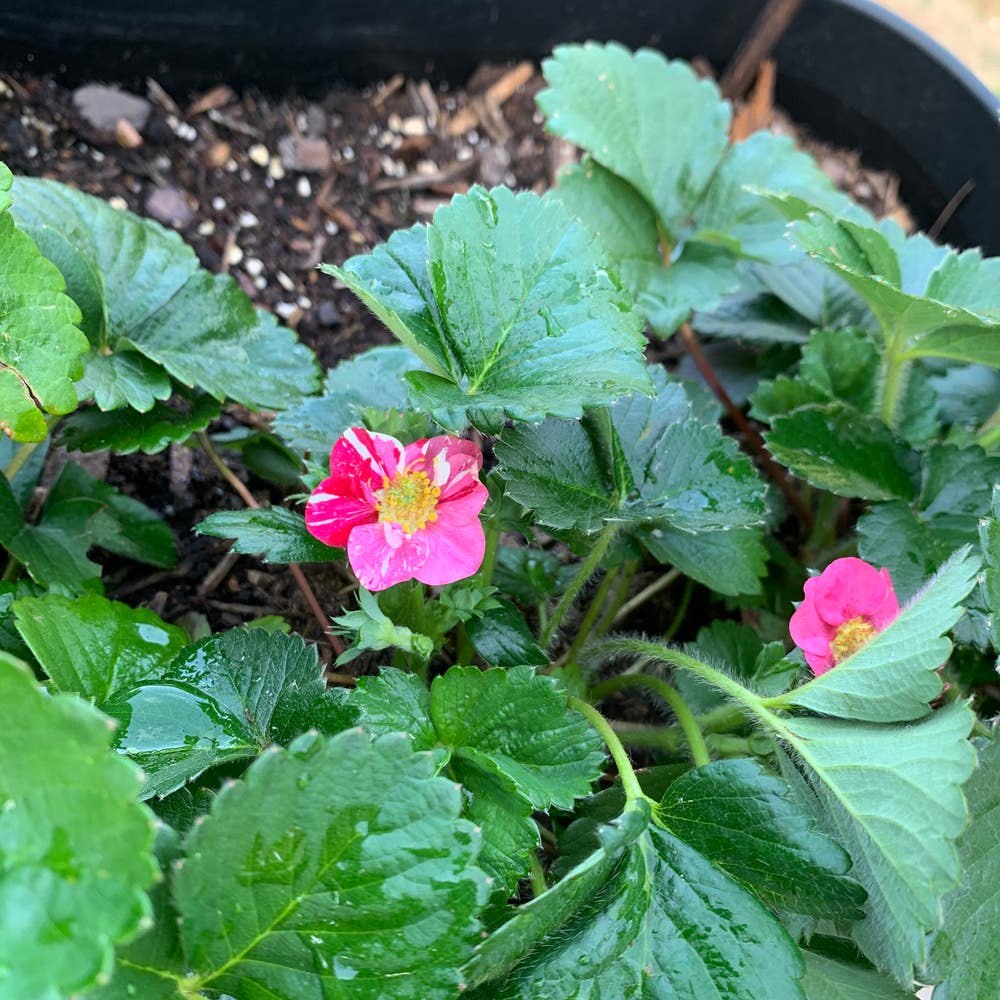
💧 What Is The Best Way To Water a Mock Strawberry?
Potentilla indica
By the Greg Editorial Team
Jun 18, 2024•4 min read
This article was created with the help of AI so we can cover more plants for you. May contain errors. See one? Report it here.
- 🍓 Water when leaves shrivel, adjusting for climate and plant growth stage.
- 💧 Drip irrigation is optimal, but hand watering has meditative benefits.
- 🌱 Mulch to maintain moisture, reducing the need for frequent watering.
When to Water Your Mock Strawberries
💧 Signs Your Plant is Thirsty
Mock strawberries, unlike their juicy counterparts, are hardy but still need a drink now and then. If you notice shriveled leaves or a general look of despair, it's time to water. The soil's top inch should be your tell; dry and crumbly means thirsty, while moist means they're good for now.
🌦 Weather and Watering
Adjusting your watering schedule to the current climate is key. Hot, dry spells demand more frequent watering, while rainy periods mean you can back off. Remember, mock strawberries are drought-tolerant, so they won't throw a fit if you skip a day.
🌱 Growth Stages and Water Needs
As mock strawberries grow, their water needs evolve. Young plants are like needy teenagers, requiring consistent moisture to establish roots. Mature plants, on the other hand, are more self-sufficient. Keep a keen eye on the weather and soil moisture, especially during fruiting periods when they're a bit more demanding.

How to Water Mock Strawberries Effectively
💧 Best Watering Techniques
Drip irrigation is the MVP for mock strawberries, ensuring that water gets right to the roots without the drama of wet leaves, which can invite fungal gate-crashers. Hand watering, while more labor-intensive, can be a meditative ritual for the green-thumbed enthusiast. It's all about consistency; aim for that sweet spot of 1 inch of water per week, increasing to 2-3 times per week when the heat cranks up and the plants are in their prime.
🌱 The Role of Soil in Watering
Soil type is like your plant's diet; it dictates how often you need to water. Sandy soils, the overachievers in drainage, will have you watering more frequently, while clay soils, which hold onto water like a grudge, need less. Adjust your watering routine to match the soil's personality, and you'll avoid the extremes of drought and drowning.
🌿 Mulching: A Mock Strawberry's Best Friend
Mulch is the unsung hero, locking in moisture like a natural savings account and keeping the soil's temperature as stable as your favorite comfort food. Lay down a cozy blanket of straw, pine needles, or shredded leaves, but keep it away from the stems to prevent rot. It's a simple move that can reduce your watering frequency and give your mock strawberries the VIP treatment they deserve.

Seasonal Watering Strategies
💧 Spring and Summer Watering Tips
During the growth season, mock strawberries demand consistent moisture. Increase watering to accommodate this period of vigorous activity. Aim for soil that is moist but not waterlogged, as overzealous watering can lead to root rot.
Best Time of Day to Water
Water in the morning to maximize benefits and minimize disease risk. This timing allows leaves to dry out during the day, reducing the likelihood of fungal infections.
🍂 Preparing for Fall and Winter
As daylight wanes and temperatures drop, mock strawberries enter a dormant phase. This is your cue to reduce watering. Allow the soil to dry out more between waterings, but keep an eye on moisture levels to avoid desiccation.
Adapting to Seasonal Changes
In fall, start to taper off the watering frequency. By winter, you should be watering minimally, just enough to prevent the soil from completely drying out. Overwatering during this time can be detrimental, as the plant's water requirements are significantly lower.
Regional Climate Impact
Adjust your approach based on your local climate. In arid regions, even dormant plants might need a bit more water, while those in humid areas may require less. Use your judgment and don't be afraid to let the topsoil dry out before watering again.

Solving Watering Woes
🌊 Overwatering: Spotting and Fixing the Issue
Overwatering is like a helicopter parent for plants—it's overbearing and can smother. You'll spot it by yellowing leaves, a stunted growth vibe, and a soil scent that's off. If it smells like a swamp, it's time to intervene. Root rot is the plant's white flag; it's a cry for less water, more air. To fix it, let the soil dry out before you water again. If the pot's as sealed as a drum, get one that breathes better. Drainage holes are a must.
🏜️ Underwatering: Reviving Your Thirsty Mock Strawberries
When your mock strawberries are as parched as a desert, it's a clear sign of underwatering. Look for leaves that droop with disappointment and soil that's drier than a stand-up comic. The fix? Water slowly and thoroughly, letting the soil soak it up like a sponge. Don't just flood it; that's like binge-drinking water after a marathon—it's a shock to the system. Instead, aim for a steady, consistent watering routine. If the pot's lighter than your mood on a Monday morning, it's time to hydrate.
⚠️ Safety First
This content is for general information and may contain errors, omissions, or outdated details. It is not medical, veterinary advice, or an endorsement of therapeutic claims.
Always consult a qualified healthcare professional before using any plant as food, medicine, or supplement.
Never eat any plant (or feed one to pets) without confirming its identity with at least two trusted sources.
If you suspect poisoning, call Poison Control (800) 222-1222, the Pet Poison Helpline (800) 213-6680, or your local emergency service immediately.
Spotted an error? Please report it here.
Revive your mock strawberries from despair with Greg's adaptive watering reminders 🍓, tailored to your climate and soil, ensuring they thrive in any season.