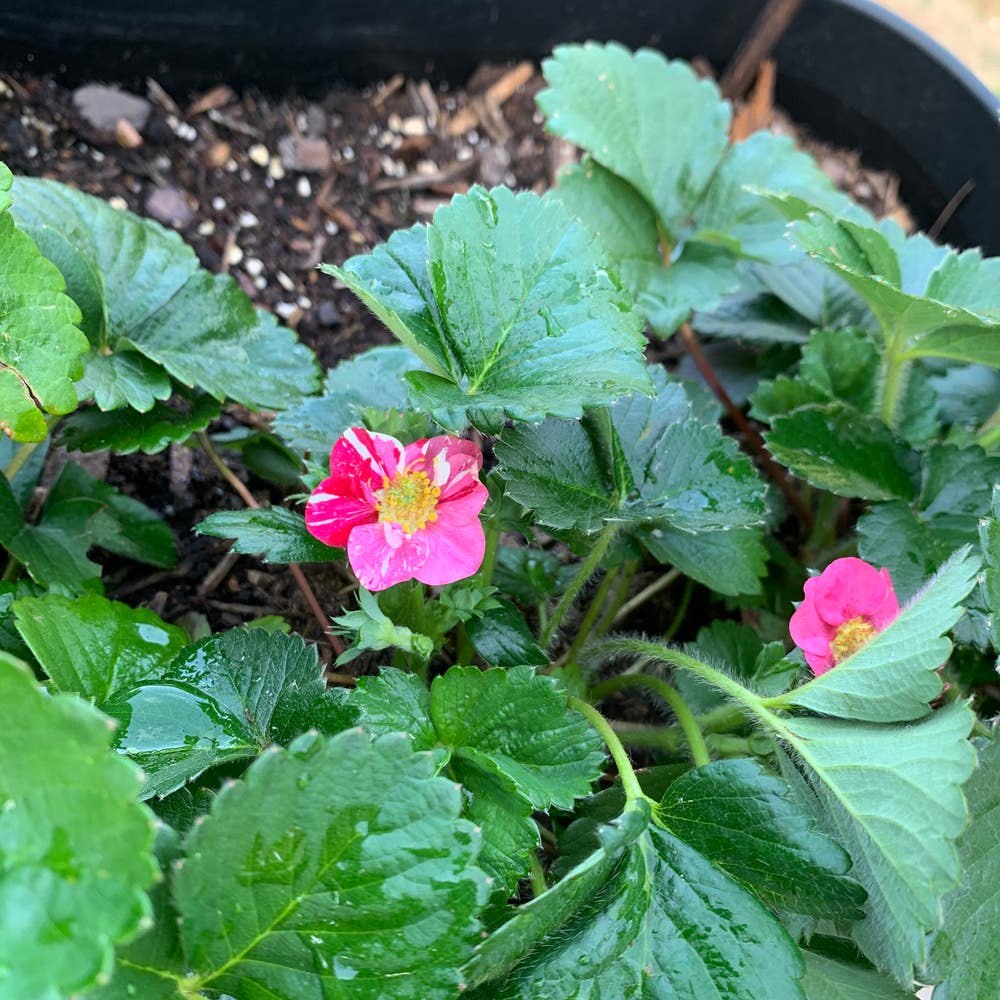
🍓 How to Cure Curling Leaves on Your Indian Strawberry
Potentilla indica
By the Greg Editorial Team
Nov 07, 2024•7 min read
This article was created with the help of AI so we can cover more plants for you. May contain errors. See one? Report it here.
- 🌡️ Ideal temperature for Indian strawberries is 15°C to 25°C to prevent curling.
- 💧 Humidity levels of 40%-60% are crucial for healthy leaves and fungal prevention.
- 🐛 Control pests like aphids and spider mites with insecticidal soap or neem oil.
Causes of Curling Leaves
🌪️ Environmental Stress Factors
Temperature Effects
Maintaining the right temperature is crucial for your Indian strawberry plants. The ideal range is between 15°C to 25°C (59°F to 77°F); anything outside this can lead to symptoms like leaf curling, discoloration, and wilting.
Humidity Levels
Humidity plays a significant role in plant health. The optimal humidity for Indian strawberries is between 40% to 60%. Low humidity can cause leaf curling and drying out, while high humidity increases the risk of fungal infections.
🐛 Pest Infestations
Aphids
Aphids are small, soft-bodied insects that can be green or black. They suck sap from the leaves, leading to curling and stunted growth.
To control aphids, consider using insecticidal soap or neem oil. Introducing beneficial insects like ladybugs can also help keep their population in check.
Spider Mites
Spider mites are tiny, spider-like creatures often found on the undersides of leaves. They create fine webbing and cause stippling on leaves, which leads to curling.
To manage spider mites, increase humidity around your plants, use miticides, and regularly wash the leaves to remove these pests.
🥦 Nutrient Deficiencies
Nitrogen Deficiency
A nitrogen deficiency can manifest as yellowing leaves and stunted growth, ultimately causing curling.
To treat this, apply a balanced fertilizer that contains adequate nitrogen.
Potassium Deficiency
Potassium deficiency typically shows up as curling at the leaf edges and browning tips.
You can address this by using potassium-rich fertilizers or organic amendments like banana peels.
🍄 Fungal Infections
Powdery Mildew
Powdery mildew is identifiable by white, powdery spots on leaves. This fungal infection can cause curling and distortion of the leaves.
To combat powdery mildew, apply fungicides and improve air circulation around your plants.
💧 Overwatering or Underwatering Effects
Both overwatering and underwatering can lead to curling leaves. Signs of overwatering include yellowing leaves, root rot, and curling, while underwatering shows up as wilting and crispy leaf edges.
To maintain healthy plants, keep the soil consistently moist but not waterlogged. Regularly check soil moisture to ensure your strawberries thrive.
Understanding these causes is essential for diagnosing and treating curling leaves effectively. Next, we’ll explore how to diagnose these issues accurately.
Diagnosing Curling Leaves
🕵️♂️ Identifying Symptoms
Curling leaves on your Indian strawberry can signal various issues. Look for visual signs like curling edges, discoloration, and wilting, as these are key indicators of stress.
Early detection is crucial for effective treatment. The sooner you identify the problem, the better your chances of restoring your plant's health.
🐛 Differentiating Between Pest Damage and Environmental Stress
Understanding the source of the problem is essential. Key indicators of pest damage include the presence of insects, webbing, or sticky residue on leaves.
In contrast, environmental stress often reveals itself through temperature fluctuations, humidity levels, and inconsistent watering practices. Knowing the difference can guide your next steps.
🌱 Assessing Soil Conditions
Soil health plays a significant role in plant vitality. Conduct soil testing to check pH and nutrient levels, ensuring your strawberries have the right foundation to thrive.
Regularly check soil moisture using a finger test or moisture meter. This simple practice helps maintain optimal moisture levels, preventing both overwatering and underwatering.
By diagnosing the symptoms accurately, you can take informed actions to address the curling leaves effectively. Next, let’s explore treatment options that can help restore your Indian strawberry to its vibrant state.
Treatment Options
🌱 Organic Pest Control Methods
Organic pest control is a sustainable way to manage pests without harming the environment.
Insecticidal Soap: This method is effective against soft-bodied insects like aphids. Apply it every 7 to 14 days, ensuring thorough coverage on affected leaves.
Neem Oil: Known for its versatility, neem oil disrupts the life cycle of pests. Mix it with water and a mild soap, then spray it on your plants every two weeks for best results.
Beneficial Insects: Attracting ladybugs and lacewings can naturally control pest populations. Plant flowers like marigolds and dill to create a welcoming habitat for these helpful insects.
💧 Adjusting Watering Practices
Proper watering is crucial for the health of your Indian strawberry plants.
Recommended Watering Schedule: Water your plants deeply once a week, adjusting based on rainfall and soil moisture. Always check the top inch of soil; if it’s dry, it’s time to water.
Signs of Proper Watering: Healthy foliage is a clear indicator of good watering practices. Look for vibrant green leaves and consistent soil moisture, avoiding both soggy and dry conditions.
🌿 Fertilization Techniques
Fertilization helps your plants thrive and recover from stress.
Types of Fertilizers: Choose between organic options, like compost and fish emulsion, or synthetic fertilizers. Organic fertilizers improve soil health over time, while synthetic options provide quick nutrient boosts.
Application Methods: Granular fertilizers can be sprinkled around the base of the plant, while liquid fertilizers are mixed with water and applied directly. Timing is key; fertilize in early spring and again mid-season for optimal growth.
🦠 Fungicide Application
When fungal infections threaten your plants, timely fungicide application is essential.
Types of Fungicides: Consider organic fungicides like sulfur or copper-based products, which are effective and less harmful. Synthetic options can also be used but follow the manufacturer's guidelines carefully.
Application Timing: Apply fungicides during dry weather for maximum effectiveness. Treat at the first sign of infection and reapply every 7 to 14 days as needed, ensuring you cover all affected areas thoroughly.
By implementing these treatment options, you can effectively address curling leaves on your Indian strawberry plants. Next, let’s explore preventive measures to keep your plants healthy and thriving.
Preventive Measures
🌱 Best Practices for Care
Soil preparation is crucial for the health of your Indian strawberry plants. Ensure you use well-drained soil enriched with organic matter to promote strong root development.
Regular pruning is another essential practice. It encourages healthy growth and improves airflow, reducing the risk of diseases that can lead to curling leaves.
🕵️♂️ Regular Monitoring for Pests and Diseases
Stay proactive by inspecting your plants weekly for early signs of pests and diseases. Catching issues early can save your plants from significant damage.
Keep a record of any pest sightings and the effectiveness of treatments you apply. This documentation helps you identify patterns and improve your care routine over time.
🌍 Soil Health Management
Soil amendments play a vital role in maintaining plant health. Incorporate compost and organic fertilizers to enhance soil fertility and structure.
Consider implementing crop rotation as a strategy for pest management. This practice not only improves soil health but also disrupts pest life cycles, leading to healthier plants.
🍂 Seasonal Care Tips
In spring, focus on fertilization and pest prevention strategies to set your plants up for success. This is the time to give them the nutrients they need to thrive.
During summer, manage watering and humidity levels carefully. Keeping your plants hydrated without overwatering is key to preventing leaf curling.
As fall approaches, prepare your plants for winter. This includes reducing stress through proper maintenance, ensuring they are ready to withstand colder temperatures.
By following these preventive measures, you can significantly reduce the risk of curling leaves on your Indian strawberry plants. With a little attention and care, your plants will flourish, setting the stage for a bountiful harvest.
Next, we’ll explore post-treatment care to ensure your plants recover effectively from any issues they may have faced.
Post-Treatment Care
Monitoring Recovery 🌱
After treating your Indian strawberry plants, keep an eye out for signs of recovery. Look for new growth and improved leaf condition, which indicate that your plants are bouncing back.
Patience is key during this phase. Plants need time to respond to treatment, so resist the urge to make drastic changes too quickly.
Adjusting Care Based on Response 🔄
As your plants begin to recover, tailor your watering and fertilization practices accordingly. If you notice new growth, it may be time to adjust your nutrient levels to support that growth.
Additionally, keep a close watch on any changes in pest activity or environmental conditions. This vigilance will help you adapt your care strategy effectively.
Long-Term Strategies for Healthy Foliage 🌿
Establishing a routine is crucial for the ongoing health of your strawberry plants. Regular care practices, such as consistent watering and fertilization, will help maintain their vigor.
Staying informed about best practices and new treatments is equally important. Knowledge empowers you to make the best decisions for your plants, ensuring they thrive for seasons to come.
By following these post-treatment care steps, you'll set your Indian strawberry plants on a path to robust health and productivity. Next, let's explore preventive measures to keep your plants thriving year-round.
⚠️ Safety First
This content is for general information and may contain errors, omissions, or outdated details. It is not medical, veterinary advice, or an endorsement of therapeutic claims.
Always consult a qualified healthcare professional before using any plant as food, medicine, or supplement.
Never eat any plant (or feed one to pets) without confirming its identity with at least two trusted sources.
If you suspect poisoning, call Poison Control (800) 222-1222, the Pet Poison Helpline (800) 213-6680, or your local emergency service immediately.
Spotted an error? Please report it here.
Keep your Indian strawberry healthy and curl-free 🍓 with Greg's tailored care reminders and expert tips that empower you to create the perfect growing environment!