🍓 Determining What Might Be Eating Your Indian Strawberry
Potentilla indica
By the Greg Editorial Team
Nov 07, 2024•9 min read
This article was created with the help of AI so we can cover more plants for you. May contain errors. See one? Report it here.
- 🍓 Indian strawberries attract herbivores like deer, rabbits, and squirrels; protect them wisely.
- 🦌 Effective repellents and fencing can deter common threats to your strawberry plants.
- 🌼 Beneficial insects like bees enhance growth; maintain a balanced garden ecosystem for success.
Description and Appeal of Indian Strawberry
Appearance and Attractive Parts 🍓
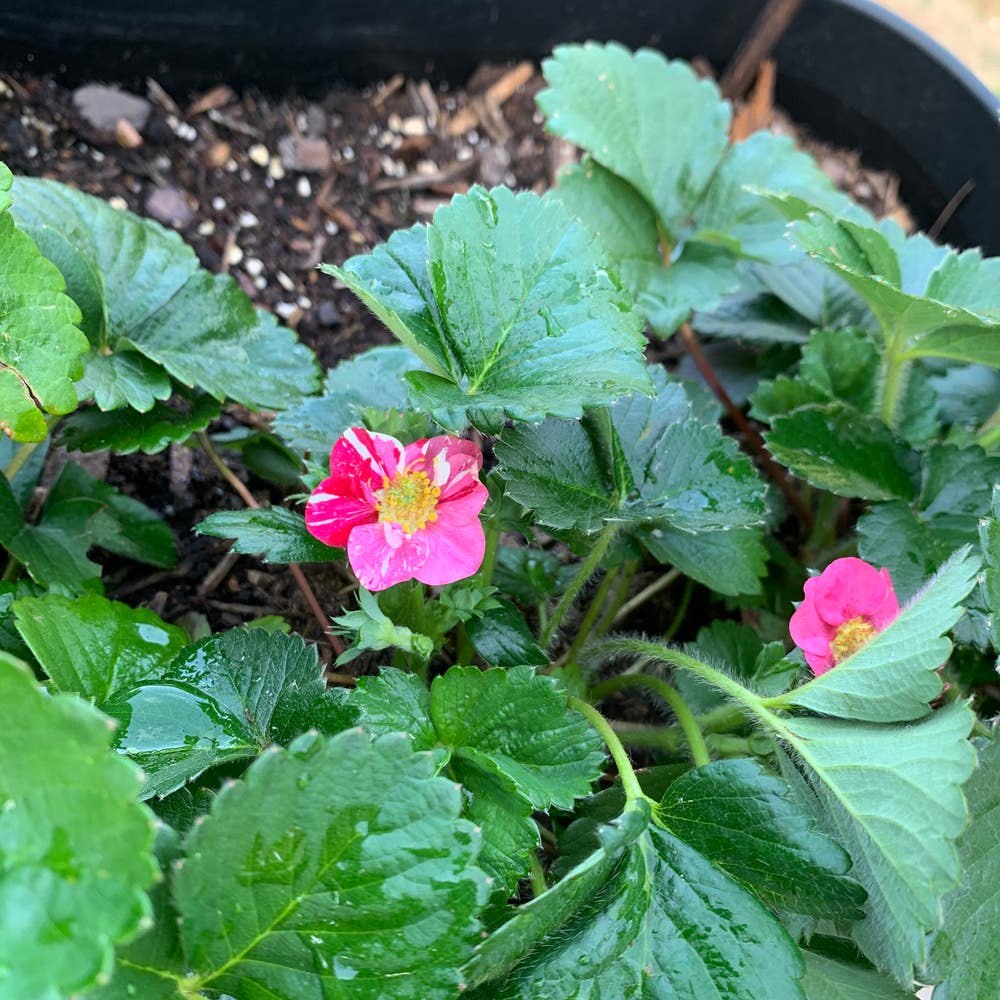
The Indian strawberry is a charming low-growing perennial plant that captures attention with its trifoliate leaves and delicate small, white flowers. These features create a lush green carpet that invites exploration in any garden setting.
The real stars, however, are the red, strawberry-like fruits that emerge as the plant matures. These fruits are not only visually appealing but also boast a sweet, juicy flavor that delights the palate. Typically, they ripen in late spring to early summer, offering a rewarding treat for those who cultivate them.
The size of these fruits is modest, usually around the size of a marble, making them perfect for snacking or adding to desserts. Their vibrant color and enticing aroma make them a favorite among both gardeners and local wildlife, adding to their allure.
In summary, the Indian strawberry's combination of attractive foliage, charming flowers, and delectable fruits makes it a standout choice for any garden enthusiast. Its appeal lies not just in its beauty but also in the joy it brings when the fruits are finally ready to be enjoyed.
As we explore the challenges of protecting this delightful plant, it's essential to understand the common herbivores that may threaten its growth and yield.
Common Herbivores Affecting Indian Strawberry
🦌 Deer
Signs of Presence and Damage Caused
Deer are often the first culprits when it comes to damage to Indian strawberries. Look for tracks and droppings nearby, as well as distinct browsing patterns on leaves and fruits.
Impact on the Plant (Beneficial or Harmful)
The impact of deer is generally harmful. They can severely damage foliage and reduce fruit yield, making them a significant threat to your strawberry plants.
Deterrent Methods
To keep deer at bay, consider using chemical repellents. Commercial options are available, and applying them regularly can help protect your plants.
For a more organic approach, homemade solutions like garlic spray or even human hair can deter deer effectively.
🐇 Rabbits
Signs of Presence and Damage Caused
Rabbits can wreak havoc on your strawberry plants. Look for chewed stems and leaves, along with droppings near the base of the plants.
Impact on the Plant (Beneficial or Harmful)
Like deer, rabbits generally cause harm. They can inflict significant damage, especially to young plants and fruits, which can stunt growth and reduce harvest.
Deterrent Methods
Fencing is one of the easiest ways to protect against rabbits. Ensure your fence is at least 2-3 feet high and made of sturdy material.
You can also use organic deterrents, such as predator urine or commercial repellents, to keep these furry pests away.
🐿️ Squirrels
Signs of Presence and Damage Caused
Squirrels are notorious for gnawing on fruits and stems. If you notice gnawed fruits or see nesting behavior nearby, it’s likely squirrels are the culprits.
Impact on the Plant (Beneficial or Harmful)
Squirrels generally have a harmful impact. They not only damage fruits but can also spread diseases, putting your plants at further risk.
Deterrent Methods
For chemical deterrents, apply repellents according to the manufacturer's instructions for best results.
Alternatively, consider using organic solutions like cayenne pepper or noise deterrents to keep squirrels from munching on your strawberries.
🐦 Birds
Signs of Presence and Damage Caused
Birds can be both friends and foes in the garden. Look for pecked fruits and signs of nesting in nearby trees to identify their presence.
Impact on the Plant (Beneficial or Harmful)
Birds have a mixed impact. While they can aid in pollination, their appetite for ripe fruits can lead to significant yield loss.
Deterrent Methods
To protect your fruits, consider using netting. Proper installation can shield your strawberries from hungry birds.
Scare tactics, such as reflective objects or noise makers, can also be effective in deterring these feathered friends.
🐭 Rodents (Mice, Voles, etc.)
Signs of Presence and Damage Caused
Rodents can be sneaky pests. Look for burrows, tunnels, and chewed roots or stems as signs of their presence.
Impact on the Plant (Beneficial or Harmful)
The impact of rodents is generally harmful. They can cause root damage, leading to stress and poor plant health.
Deterrent Methods
Trapping is one of the most effective methods for controlling rodent populations. Choose the right type of traps and place them strategically around your garden.
Chemical repellents can also be used, but be sure to consider safety for pets and wildlife when applying them.
🦡 Groundhogs/Woodchucks
Signs of Presence and Damage Caused
Groundhogs leave large burrows and distinct grazing patterns on foliage. These signs indicate their presence and potential threat to your plants.
Impact on the Plant (Beneficial or Harmful)
Groundhogs are generally harmful. They can cause significant damage to your strawberry plants, leading to reduced yields.
Deterrent Methods
Fencing is crucial for keeping groundhogs out. Use a fence that is at least 3 feet high and buried a foot underground to prevent burrowing.
Organic deterrents like castor oil or predator scents can also help keep these pests away from your garden.
With these strategies in mind, you can effectively protect your Indian strawberries from common herbivores. Next, let’s explore the beneficial animals that can enhance your garden ecosystem.
Beneficial Animals and Ecosystem Impact
🐝 Description of Beneficial Animals
In your garden, beneficial animals play a crucial role in maintaining a healthy ecosystem. Pollinators like bees and butterflies are essential for fertilizing flowers, which leads to fruit production.
Other beneficial insects, such as ladybugs and lacewings, contribute significantly by controlling pest populations. They feast on aphids and other harmful bugs, keeping your plants safe and thriving.
🌱 Positive Impacts on the Garden Ecosystem
The presence of pollinators enhances fruit yield, making your Indian strawberries more abundant and flavorful. Their diligent work ensures that flowers are properly fertilized, leading to a bountiful harvest.
Additionally, natural pest control provided by predatory insects reduces the need for chemical pesticides. This not only protects your plants but also promotes a healthier environment for all garden inhabitants.
By fostering a diverse ecosystem, you create a balanced environment where beneficial animals can thrive alongside your plants. Embracing these allies in your garden can lead to a more fruitful and sustainable gardening experience.
As you cultivate your garden, consider how you can attract and support these beneficial creatures. This will not only enhance your garden's productivity but also contribute positively to the broader ecosystem.
General Strategies for Protection
🛡️ Preventive Measures
To protect your Indian strawberry plants, strategic plant placement is key. Position them in areas that are less accessible to common herbivores, such as near taller plants or structures that can act as barriers.
Companion planting can also be a game-changer. By integrating plants that naturally deter herbivores, you create a more resilient garden ecosystem. For instance, planting marigolds alongside your strawberries can help ward off pests.
🔄 Reactive Solutions
Regular monitoring and early detection are crucial for maintaining plant health. Conduct garden checks to spot any signs of herbivore activity before they cause significant damage.
Implementing integrated pest management (IPM) combines various methods for effective control. This approach allows you to address pest issues holistically, ensuring your strawberries thrive.
🌱 Balancing Garden Ecosystem
Understanding the role of herbivores in the ecosystem is essential. While they can be damaging, they also contribute to the natural balance of your garden.
Consider humane deterrent methods to manage herbivore populations. This approach not only protects your plants but also fosters a respectful coexistence with wildlife.
By employing these strategies, you can create a thriving environment for your Indian strawberries while minimizing the impact of herbivores. Next, we’ll explore seasonal considerations that affect plant vulnerability and animal attraction.
Seasonal Considerations
🌱 Seasonal Variations in Animal Attraction
As the seasons change, so does the activity of herbivores around your Indian strawberry plants. In spring, the warming weather triggers increased herbivore activity, as animals emerge from winter dormancy, hungry and eager to munch on fresh growth.
By summer, the stakes get higher. This is when your strawberries ripen, attracting a variety of hungry critters looking for a sweet snack. The combination of tender leaves and juicy fruits makes your garden a prime target for these foragers.
⏰ Timing of Plant Vulnerability
Understanding when your plants are most vulnerable is crucial for effective protection. Key growth stages, such as flowering and fruiting, are particularly susceptible to damage from herbivores.
During these times, the plants are not only delicate but also highly attractive to animals seeking nourishment. Awareness of seasonal behavior patterns among common herbivores can help you anticipate and mitigate potential threats to your strawberry crop.
By keeping an eye on these seasonal shifts, you can better safeguard your plants and ensure a bountiful harvest. This proactive approach allows you to enjoy the fruits of your labor while minimizing losses to hungry visitors.
Toxicity and Safety
🐾 Toxic Effects on Animals
While Indian strawberries are generally safe for many animals, they can exhibit mild toxicity to certain herbivores. This can lead to digestive issues or reduced feeding behavior, impacting their interactions with the plant.
Understanding these effects is crucial for gardeners who want to maintain a healthy ecosystem. Herbivores may avoid the plant if they associate it with discomfort, which can alter their feeding patterns in your garden.
⚠️ Implications for Garden Safety
When cultivating Indian strawberries, it's essential to consider the safety of pets and local wildlife. Some animals may experience adverse reactions if they consume parts of the plant, so awareness is key.
To minimize risks, adopt safe gardening practices. This includes monitoring your garden for any signs of distress in animals and ensuring that your pets do not have access to potentially harmful plants. By being proactive, you can create a thriving garden that is safe for all its inhabitants.
As you navigate the complexities of gardening, remember that understanding plant toxicity is just one piece of the puzzle. With the right knowledge, you can foster a vibrant ecosystem while keeping your plants and local wildlife safe.
⚠️ Safety First
This content is for general information and may contain errors, omissions, or outdated details. It is not medical, veterinary advice, or an endorsement of therapeutic claims.
Always consult a qualified healthcare professional before using any plant as food, medicine, or supplement.
Never eat any plant (or feed one to pets) without confirming its identity with at least two trusted sources.
If you suspect poisoning, call Poison Control (800) 222-1222, the Pet Poison Helpline (800) 213-6680, or your local emergency service immediately.
Spotted an error? Please report it here.
Safeguard your Indian strawberries from pesky herbivores 🐇 with Greg's tailored care tips and reminders, ensuring a bountiful harvest all season long!