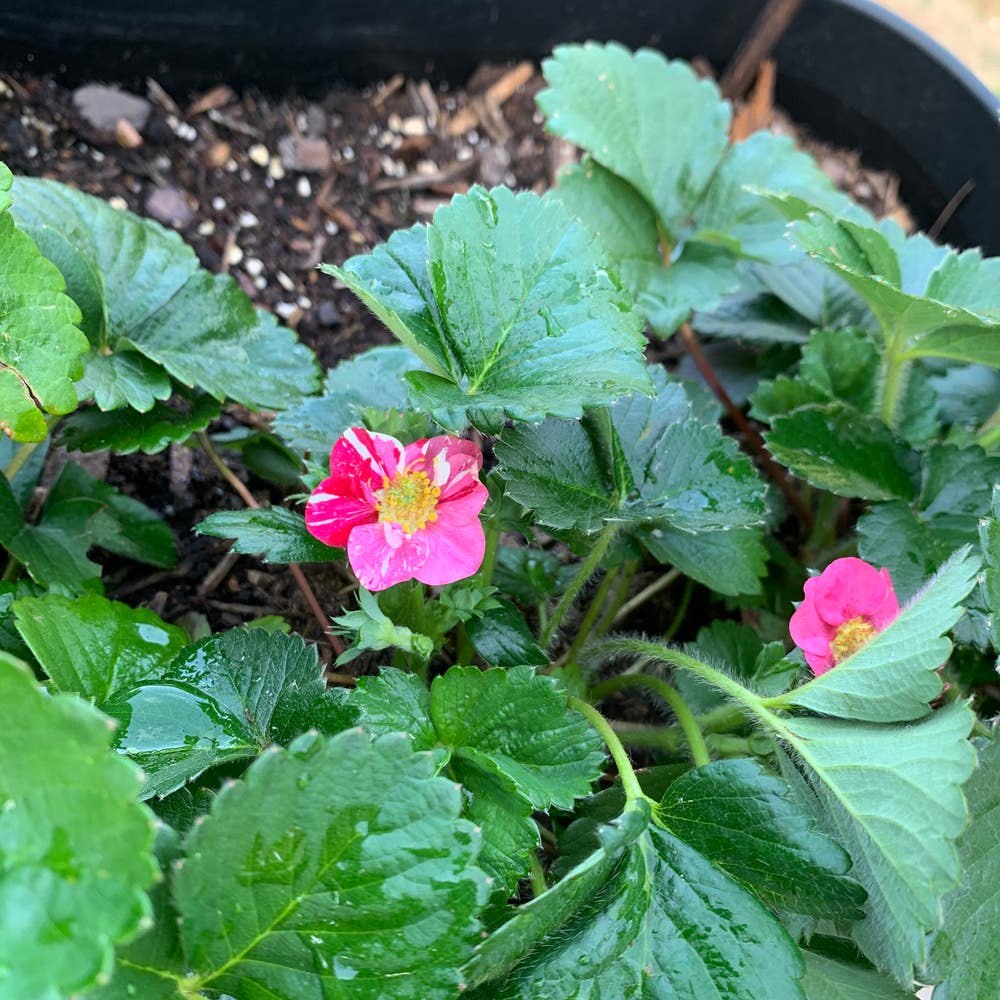
🍂 What Should I Do When Mock Strawberry Leaves Turn Yellow?
Potentilla indica
By the Greg Editorial Team
Jun 18, 2024•5 min read
This article was created with the help of AI so we can cover more plants for you. May contain errors. See one? Report it here.
- 🍂 Yellow leaves signal distress; check for water, nutrient, or pest issues.
- 💧 Balance watering habits to prevent over or under-watering Mock Strawberries.
- ✂️ Prune strategically to promote health and prevent yellow leaves from returning.
Pinpointing the Culprit Behind Yellow Leaves
🚨 Spotting the Signs
Yellow leaves on your Mock Strawberry aren't just a fashion statement; they're a distress signal. Nutrient deficiencies often show up as striped or edge yellowing, while a uniform yellow might indicate watering woes or environmental stress. Older leaves turning yellow could mean they're simply past their prime, or it could be a sign of overwatering.
🕵️ Investigating Soil and Water Conditions
Consistent moisture is key. If the soil feels like a wet sponge, you've gone overboard with the watering can. On the flip side, if it's as dry as a bone, your plant's thirst isn't being quenched. Aim to water when the top inch of soil feels dry. Remember, your Mock Strawberry isn't a cactus.
👀 Looking Out for Unwanted Guests
Pests and diseases are the party crashers in your garden. Check under leaves and along stems for these tiny terrors. Spider mites and mealybugs are common culprits, leaving yellowing leaves in their wake. If you spot them, it's time for insecticidal soap or neem oil to show them the exit. For diseases like root rot, which also cause yellowing, a targeted fungicide might be your best bet. But don't jump the gun—diagnose first, then treat.

Turning Over a New Leaf: Corrective Steps
💧 Balancing the Watering Equation
Watering your Mock Strawberry is less about sticking to a strict schedule and more about understanding its thirst. Overwatering can drown its roots and invite gnats to a party, while underwatering turns it into a sad, shriveled hermit. Check the soil's moisture with a finger-dip test before each watering, and ensure your pots have drainage holes to prevent root rot.
🌿 Nutrient Boost: When and How
When leaves yellow, it's your plant's cry for help—possibly a nutrient deficiency. A balanced, water-soluble fertilizer can be a game-changer, but remember, it's not a buffet. Apply it at the start of the growing season, and always moisten the soil first to avoid root burn. If you've been a bit heavy-handed, flush the soil to kick out those excess nutrients.
🐜 Evicting Pests and Fighting Diseases
Pests and diseases can turn your plant's life into a B-grade horror flick. To combat these unwanted guests, introduce beneficial insects and keep your garden tools cleaner than a chef's knife. If you spot trouble, act fast—remove affected leaves and apply appropriate treatments. Prevention is key, so rotate your plants regularly and keep an eye out for early signs of distress.

Pruning: Not Just for Aesthetics
🌿 The Art of Selective Removal
Pruning isn't just a snip-and-go affair; it's a strategic game. When Mock Strawberry leaves turn yellow, it's time to play gardener-chess. Here's how to checkmate those yellowed leaves and promote vigorous growth.
🛠 Tools of the Trade
First things first, arm yourself with sterilized shears. You're not just giving your plant a haircut, you're performing surgery. Every cut should be clean to prevent infection and encourage healing.
🎯 Spotting the Targets
Yellow leaves on your Mock Strawberry? They're dead weight. Remove them at the base to reroute nutrients to the greener, grander parts of the plant. It's like cutting loose the freeloaders at a potluck so there's more for the rest.
💪 Pruning for Health
Beyond aesthetics, pruning is about plant wellness. Get rid of those yellow leaves before they invite pests for a party or roll out the red carpet for diseases. Think of it as a preemptive strike for the sake of your plant's health.
🌱 Encouraging New Growth
Once the yellow leaves are history, your Mock Strawberry can focus on what it does best – growing. Pruning stimulates new growth, kind of like how a pep talk can invigorate a team. You're essentially cheering on those new leaves.
⏰ Timing is Everything
Don't just prune on a whim. The best time to wield your shears is when growth is active. For Mock Strawberries, that's usually in the spring or early summer. It's like catching the early bird special – timing is key.
🎯 Pruning with Precision
Be judicious with your cuts. It's not about how much you prune, but where. Aim for the sickly, the weak, and the yellowed. It's a targeted approach, like picking out the burnt fries before serving the good ones.
👀 Maintenance Mode
Post-pruning, keep an eye out. Regular inspections ensure no yellow offenders sneak back. It's like neighborhood watch, but for leaves. Stay vigilant, and your Mock Strawberry will thank you with lush, green vitality.

Staying Green: Prevention Strategies
🌱 Laying the Groundwork
Soil is the unsung hero of plant health. To prevent your Mock Strawberry's leaves from yellowing, start with well-draining soil. If you're dealing with heavy clay, consider raised beds or adding organic matter to lighten it up. Place your plants where they'll get the right amount of sunlight, not too much and not too little, like Goldilocks' porridge.
🔍 The Routine Check-Up
Set a reminder to check on your plant as often as you check social media. Look for subtle changes in leaf color or texture. It's like a plant's way of whispering for help before it starts to yell. Regular monitoring helps you catch issues early, when they're easier to fix.
🌿 Feeding Your Plant Right
Fertilizer is your plant's diet plan, and balance is key. Too much nitrogen and you'll get lush leaves vulnerable to pests; too little and you'll see those dreaded yellow leaves. Aim for a balanced fertilizer and apply it as directed, usually every few weeks during the growing season. Remember, more isn't always better—overfeeding can be just as harmful as underfeeding.
⚠️ Safety First
This content is for general information and may contain errors, omissions, or outdated details. It is not medical, veterinary advice, or an endorsement of therapeutic claims.
Always consult a qualified healthcare professional before using any plant as food, medicine, or supplement.
Never eat any plant (or feed one to pets) without confirming its identity with at least two trusted sources.
If you suspect poisoning, call Poison Control (800) 222-1222, the Pet Poison Helpline (800) 213-6680, or your local emergency service immediately.
Spotted an error? Please report it here.
Keep your mock strawberry's leaves lush 🍓 with Greg's custom care reminders, ensuring just the right balance of water and nutrients to prevent yellowing.