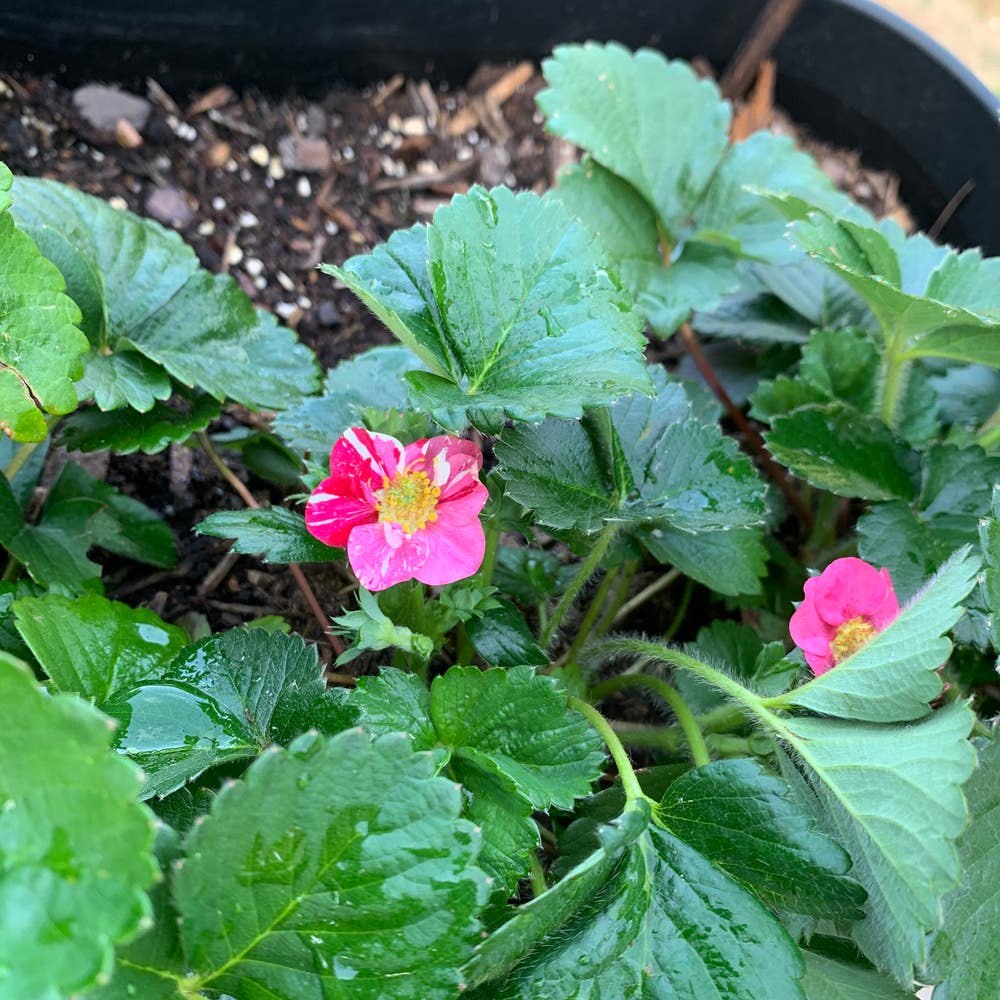
🍓 How to Cure Leaves Falling Over on Your Indian Strawberry
Potentilla indica
By the Greg Editorial Team
Nov 07, 2024•7 min read
This article was created with the help of AI so we can cover more plants for you. May contain errors. See one? Report it here.
- 🌱 Maintain soil moisture between 50-70% for healthy Indian Strawberry plants.
- ☀️ Ensure at least 6 hours of sunlight daily to prevent leggy growth and yellowing.
- 🐛 Regularly check for pests and diseases to protect your Indian Strawberries effectively.
Diagnosing the Problem
🌍 Assessing Environmental Conditions
Evaluating Soil Moisture Levels
To keep your Indian Strawberry thriving, it's crucial to maintain the right soil moisture. The ideal moisture range is consistently moist but not soggy, typically around 50-70% moisture content.
You can check soil moisture using simple techniques. The finger test involves inserting your finger into the soil up to the second knuckle; if it feels dry, it's time to water. Alternatively, a moisture meter provides a more precise reading.
Sunlight Requirements
Indian Strawberries flourish in optimal light conditions, which can vary from partial shade to full sun. Ideally, they need at least 6 hours of sunlight daily for robust growth.
If your plants are stretching or showing pale leaves, they might not be getting enough light. Look for signs like leggy growth or yellowing leaves, which indicate inadequate light exposure.
🐛 Identifying Pest Infestations
Common Pests and Their Effects
Pests can wreak havoc on your Indian Strawberry plants. Aphids are notorious for their rapid reproduction and can cause curling leaves and stunted growth.
Spider mites, on the other hand, leave behind fine webbing and stippling on leaves, indicating a serious infestation. Both pests can significantly affect plant health if not addressed promptly.
Inspection Techniques
Regular inspections are key to catching pest problems early. Examine the undersides of leaves and stems for any signs of pests or damage.
Tools like a magnifying glass can help you spot tiny insects, while sticky traps can catch flying pests. These methods make it easier to identify and manage infestations effectively.
🦠 Recognizing Signs of Disease
Fungal Issues
Fungal diseases can be detrimental to your Indian Strawberry. Common issues include powdery mildew, which appears as white powdery spots on leaves, and root rot, characterized by mushy, discolored roots.
To prevent these diseases, ensure good air circulation and avoid overhead watering, which can create a humid environment conducive to fungal growth.
Bacterial Infections
Bacterial infections, such as bacterial leaf spot, can also affect your plants. Look for dark, water-soaked spots on leaves, which can lead to premature leaf drop.
Promptly removing infected leaves and improving air circulation can help mitigate the spread of bacterial infections. Keeping your plants healthy is essential for long-term success.
By diagnosing these issues early, you can take proactive steps to ensure your Indian Strawberry remains vibrant and productive. Next, we'll explore effective solutions for leaf drop and how to restore your plant's health.
Solutions for Leaf Drop
🌊 Adjusting Watering Practices
Recommended Watering Schedule
To keep your Indian Strawberry thriving, establish a consistent watering schedule. Aim to water deeply once a week, adjusting based on weather conditions and soil moisture.
Signs of overwatering include yellowing leaves and root rot, while underwatering may cause wilting and crispy leaf edges.
Techniques for Proper Watering
Deep watering is essential for encouraging robust root growth. Water until it seeps out of the drainage holes, ensuring the roots receive adequate moisture.
Allow the soil to dry out between waterings to prevent waterlogged conditions. This practice promotes healthy root development and overall plant vitality.
🌱 Improving Soil Drainage
Soil Composition
Choosing the right soil is crucial for your Indian Strawberry's health. Well-draining loam or sandy soil is ideal, as it prevents water accumulation around the roots.
Consider adding amendments like perlite, sand, or compost to enhance drainage. These materials help create a balanced environment for your plant.
Container Drainage Solutions
If you're growing in pots, ensure they have drainage holes to prevent water buildup. Without proper drainage, your plant's roots can suffocate, leading to leaf drop.
Using gravel or stones at the bottom of containers can further improve drainage. This simple step helps maintain optimal moisture levels in the soil.
🌿 Fertilization Techniques
Types of Fertilizers
When it comes to fertilization, balanced NPK fertilizers are effective, but organic options can also work wonders. Choose a fertilizer that suits your plant's growth stage for the best results.
Timing is key; fertilize during active growth periods in spring and summer for optimal nutrient uptake.
Application Methods
Apply fertilizers evenly around the base of the plant, avoiding direct contact with the leaves. This method ensures that nutrients reach the roots effectively.
Watch for signs of over-fertilization, such as leaf burn or excessive growth. Adjust your application frequency if you notice these symptoms.
🐞 Pest Management Strategies
Organic Pest Control Methods
For pest control, consider using neem oil or insecticidal soap to combat aphids. These organic solutions are effective and safe for your plants.
Introducing beneficial insects like ladybugs and predatory mites can also help keep pest populations in check. These natural allies will protect your Indian Strawberry from harmful invaders.
Monitoring and Prevention
Regular inspections are vital for early pest detection. Check the undersides of leaves and around the base of the plant for any signs of trouble.
Implementing early intervention techniques can save your plant from severe damage. Stay proactive, and your Indian Strawberry will flourish.
With these solutions in place, your Indian Strawberry will be on the path to recovery. Next, let’s explore preventative measures to ensure long-term health and vitality.
Preventative Measures
Best Practices for Care 🌱
Maintaining optimal growing conditions is crucial for your Indian Strawberry. Ensure the soil moisture is just right and provide adequate light, as both factors significantly influence plant health.
Regularly check for signs of stress or pests. Early detection can save your plants from serious damage and keep them thriving.
Seasonal Adjustments for Optimal Growth 🌦️
Adapting care routines based on seasonal changes is essential. As temperatures fluctuate, so should your watering and fertilization practices.
Preparing your plants for winter dormancy can make a big difference. This involves reducing watering and protecting them from harsh conditions.
Monitoring and Maintaining Soil Health 🧪
Soil testing techniques are vital for understanding your garden's needs. Regularly test pH and nutrient levels to ensure your Indian Strawberry has the right environment to flourish.
Based on test results, consider recommended soil amendments. Adjusting your soil composition can lead to healthier plants and better yields.
Mulching Benefits 🍂
Mulch plays a significant role in retaining moisture and suppressing weeds. A good layer of mulch can protect your plants from temperature extremes and reduce competition for nutrients.
When choosing mulch for your Indian Strawberry, consider options like straw or shredded leaves. These materials not only enhance soil health but also contribute to a vibrant garden ecosystem.
By implementing these preventative measures, you can create a thriving environment for your Indian Strawberry. This proactive approach will help ensure your plants remain healthy and productive throughout the seasons.
Long-term Care Strategies
🌱 Regular Maintenance Routines
Pruning Techniques
Pruning is essential for the health of your Indian Strawberry. Aim to prune during the growing season, removing any dead or damaged leaves to encourage new growth.
Regular pruning not only improves air circulation but also helps the plant focus its energy on producing fruit. Use clean, sharp scissors to make precise cuts, ensuring a clean wound that heals quickly.
Watering and Fertilization Schedules
Establishing a consistent watering and fertilization routine is key to thriving plants. Water your Indian Strawberry when the top inch of soil feels dry, and fertilize during active growth periods to provide essential nutrients.
Consider using the Greg plant care app to set reminders for watering and fertilization. This tool can help you stay on track and ensure your plants receive the care they need.
🌿 Propagation Tips to Ensure Plant Health
Methods of Propagation
Propagation can be a rewarding way to expand your garden. For Indian Strawberry, propagating from runners is the easiest method; simply cut the runner and plant it in moist soil.
Seed propagation is another option, though it requires more attention to timing and technique. Start seeds indoors before the last frost for the best results.
Ensuring Healthy Offspring
Choosing healthy parent plants is crucial for successful propagation. Look for vigorous plants free from pests and diseases to ensure strong offspring.
Once your new plants are established, monitor them closely for any signs of stress. Early intervention can make a significant difference in their development.
With these long-term care strategies, your Indian Strawberry will flourish, providing you with vibrant foliage and delicious fruit. Next, let’s explore preventative measures to keep your plants healthy year-round.
⚠️ Safety First
This content is for general information and may contain errors, omissions, or outdated details. It is not medical, veterinary advice, or an endorsement of therapeutic claims.
Always consult a qualified healthcare professional before using any plant as food, medicine, or supplement.
Never eat any plant (or feed one to pets) without confirming its identity with at least two trusted sources.
If you suspect poisoning, call Poison Control (800) 222-1222, the Pet Poison Helpline (800) 213-6680, or your local emergency service immediately.
Spotted an error? Please report it here.
Keep your Indian Strawberry thriving 🌟 by using Greg's tailored care reminders to maintain optimal moisture and sunlight, ensuring those leaves stay healthy and vibrant!