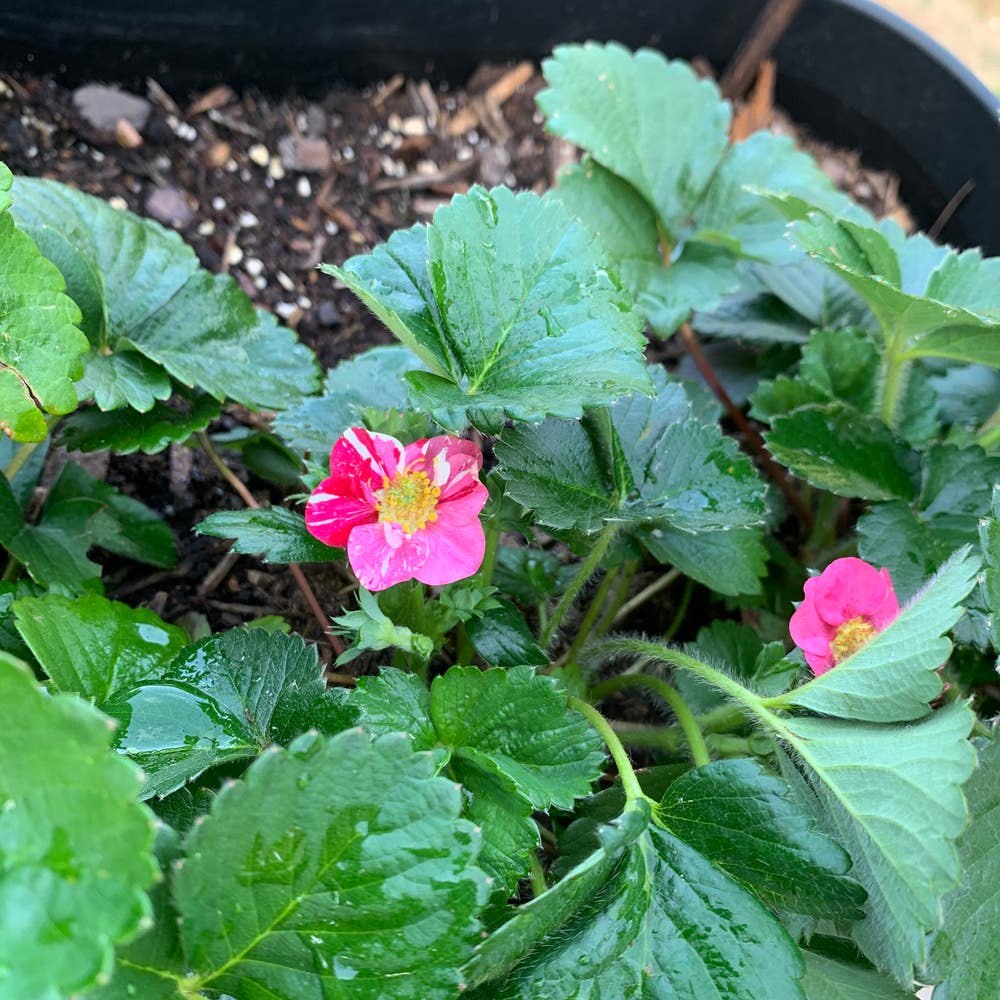
Mock Strawberry: Not an Annual 🍓
Potentilla indica
By the Greg Editorial Team
Sep 30, 2024•2 min read
This article was created with the help of AI so we can cover more plants for you. May contain errors. See one? Report it here.
- 🌱 Mock Strawberry is a perennial, thriving for multiple seasons unlike annuals.
- 🌼 Enjoy continuous blooms throughout the season, adding color and interest to gardens.
- 🌍 Resilient and adaptable, it withstands environmental challenges with a robust root system.
Mock Strawberry as a Perennial
🌱 Genetic Characteristics
Mock Strawberry, scientifically known as Potentilla indica, is classified as a perennial herb. This classification is crucial as it highlights its ability to survive and thrive over multiple growing seasons.
The genetic adaptations of Mock Strawberry enable it to endure various environmental challenges. These traits support long-term survival and reproduction, making it a resilient choice for gardeners.
🌿 Physiological Traits Supporting Perennial Growth
One of the standout features of Mock Strawberry is its robust root system. This strong foundation allows the plant to store nutrients and withstand adverse conditions, ensuring its survival year after year.
Additionally, Mock Strawberry spreads through runners, which helps establish a stable presence in gardens. This growth habit not only enhances its resilience but also contributes to its aesthetic appeal.
🌼 Lifecycle and Growth Patterns
Mock Strawberry exhibits a seasonal growth pattern, emerging in spring and blooming multiple times throughout the growing season. In winter, it enters a dormant phase, conserving energy for the next cycle.
Its longevity is impressive; this perennial can thrive for several years, contributing to the overall stability of your garden. This makes it a valuable addition for those looking to create a lasting landscape.
🌸 Differences from True Annuals
One key difference between Mock Strawberry and true annuals is its flowering frequency. While annuals typically bloom once per season, Mock Strawberry offers multiple blooms, providing continuous color and interest.
Moreover, its reproductive strategies are diverse. It reproduces asexually through runners, ensuring quick expansion, while also engaging in sexual reproduction to maintain genetic diversity.
🌳 Garden Design Implications
Incorporating Mock Strawberry into your garden design offers several advantages. It serves as a long-term investment, providing both aesthetic value and stability over time.
When planning for its growth, consider companion planting and proper soil preparation. These strategies will help ensure that Mock Strawberry thrives alongside other plants in your garden.
✂️ Management Tips
To maximize the longevity of Mock Strawberry, regular monitoring and pruning are essential. These best practices help maintain its health and encourage vigorous growth.
Seasonal considerations are also important. Spring care involves ensuring adequate sunlight and moisture, while winter preparation focuses on protecting the plant from harsh conditions.
Incorporating these tips will help you enjoy the beauty and resilience of Mock Strawberry for years to come. As you delve deeper into your gardening journey, the next section will explore the differences between Mock Strawberry and true annuals, enhancing your understanding of plant choices.
⚠️ Safety First
This content is for general information and may contain errors, omissions, or outdated details. It is not medical, veterinary advice, or an endorsement of therapeutic claims.
Always consult a qualified healthcare professional before using any plant as food, medicine, or supplement.
Never eat any plant (or feed one to pets) without confirming its identity with at least two trusted sources.
If you suspect poisoning, call Poison Control (800) 222-1222, the Pet Poison Helpline (800) 213-6680, or your local emergency service immediately.
Spotted an error? Please report it here.
Cultivate the resilience 🌱 of Mock Strawberry in your garden with Greg's tailored care tips, ensuring vibrant blooms and stability season after season!