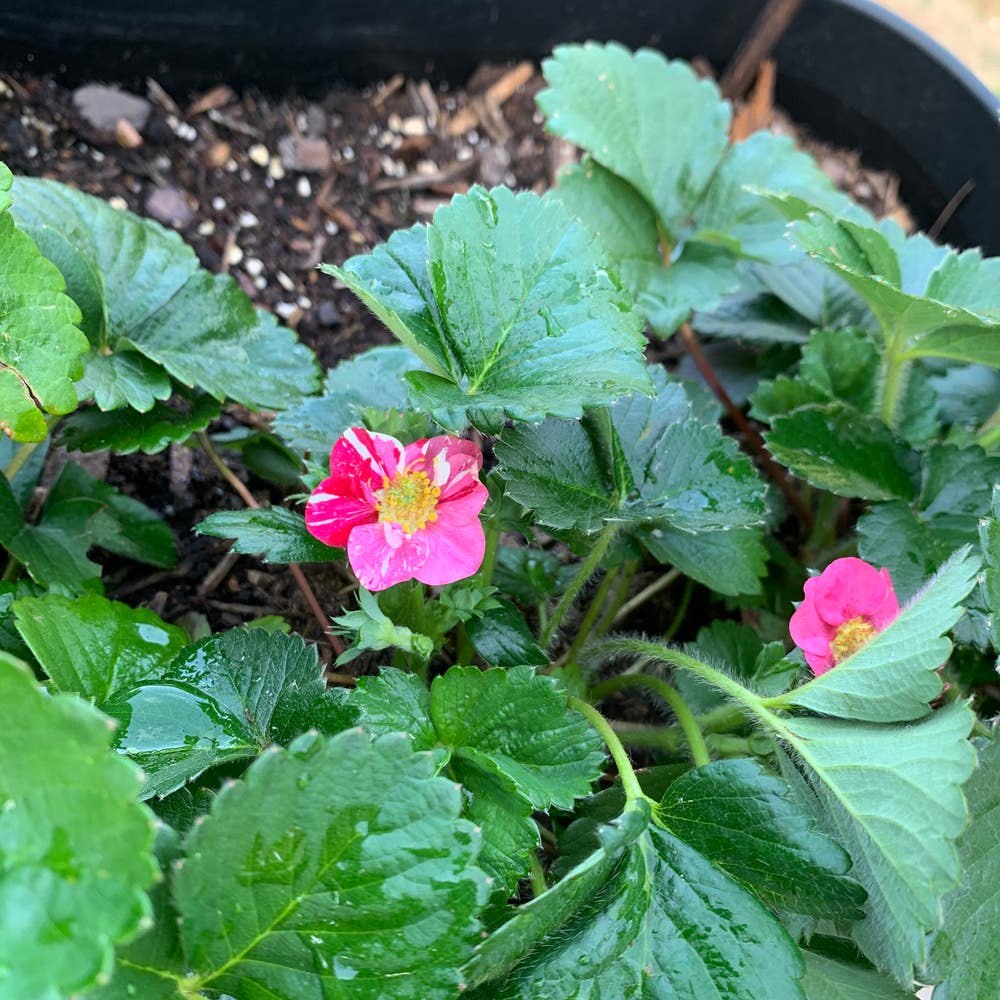
How Can You Tell If A Mock Strawberry Is Dying?
Potentilla indica
By the Greg Editorial Team
Jun 18, 2024•3 min read
This article was created with the help of AI so we can cover more plants for you. May contain errors. See one? Report it here.
- 🍂 Droopy, yellow leaves and smelly soil signal watering issues or root rot.
- 🌞🌡️ Keep in 59-73ºF and bright, indirect light to avoid temperature and light stress.
- 🐞 Watch for pests and mold, use natural controls and improve ventilation.
When Thirst Strikes: Water Woes
🏜️ Under-watering Symptoms and Mock Strawberry SOS
Droopy leaves and dry soil are your Mock Strawberry's way of waving a white flag. It's a clear sign that your plant is parched and in dire need of water.
To quench the thirst, start with a thorough watering, ensuring the water reaches deep into the roots. Monitor the soil moisture going forward; it should be moist, not bone-dry.
🚰 Over-watering Overload
On the flip side, soggy soil and yellow leaves scream over-watering. It's a classic case of too much love leading to plant suffocation.
To drain the problem, cut back on watering immediately. Let the soil dry out a bit before the next watering session. If the pot lacks proper drainage, consider repotting with fresh soil into a container that allows excess water to escape.

Light and Temperature: The Balancing Act
🌞 Too Much Sun, Too Little Light
Scorched leaves are the Mock Strawberry's way of saying it's had too much sun. You'll see brown, crispy patches, a clear sign of distress. To prevent this, position your plant where it receives bright, indirect light.
Finding the ideal light conditions is crucial. Mock Strawberries thrive in full sun to partial shade. Observe your plant's response and adjust its location to avoid leaf scorching or etiolation.
🌡️ Temperature Tantrums
Mock Strawberries can throw a fit when temperatures aren't just right. Cold symptoms include slow growth and discolored leaves, while heat stress might cause wilting.
To stabilize the environment, maintain a consistent temperature range, ideally between 59-73ºF (15-23ºC). Keep your plant away from drafts and direct heat sources to prevent temperature-induced stress.

Uninvited Guests: Pests and Diseases
🐛 Pests: The Mini Marauders
Catching critters in the act involves being on the lookout for the usual suspects that target Mock Strawberries. Aphids, spider mites, and slugs are the main culprits, often leaving behind telltale signs like sticky residue or visible damage to leaves and fruit.
Natural defenses are your first line of defense. Introducing ladybugs can help control aphid populations, while diatomaceous earth sprinkled around the plant deters slugs. Regularly inspecting your plant and promptly removing any pests by hand or with a strong water spray can prevent infestations from taking hold.
🍄 Fungal Foes and Mold Monsters
Spotted leaves and fuzzy growths are red flags for fungal and mold issues. These problems thrive in conditions with poor air circulation and excessive moisture.
Clearing the air means improving ventilation around your Mock Strawberry. Ensure it's not crammed against other plants and consider using a fan to promote airflow. If you spot mold or mildew, prune the affected areas and treat the plant with an appropriate fungicide, following the label instructions to the letter. Remember, overuse can be harmful, so apply with a measured hand.

Root of the Matter: Root Rot Revelation
🦠 Detecting the Dreaded Rot
- Smelly soil and wilting leaves are the red flags of root rot in your Mock Strawberry. If the roots resemble overcooked spaghetti, it's time to act.
- Root surgery is crucial. With sterilized scissors, cut away the rotted roots. This is a life-saving measure, not just a trim.
🏥 Surgery for the Roots: Saving Your Mock Strawberry
- After removing the rotten roots, repot your plant in sterile, well-draining soil. Ensure the pot has proper drainage to prevent future episodes.
- Post-op care involves monitoring and adjusting your watering habits. Over-watering is a surefire way to enable root rot, so keep the H2O in check.
⚠️ Safety First
This content is for general information and may contain errors, omissions, or outdated details. It is not medical, veterinary advice, or an endorsement of therapeutic claims.
Always consult a qualified healthcare professional before using any plant as food, medicine, or supplement.
Never eat any plant (or feed one to pets) without confirming its identity with at least two trusted sources.
If you suspect poisoning, call Poison Control (800) 222-1222, the Pet Poison Helpline (800) 213-6680, or your local emergency service immediately.
Spotted an error? Please report it here.
Avoid the demise of your Mock Strawberries with Greg's custom watering reminders 🍓, keeping them perfectly hydrated and healthy.