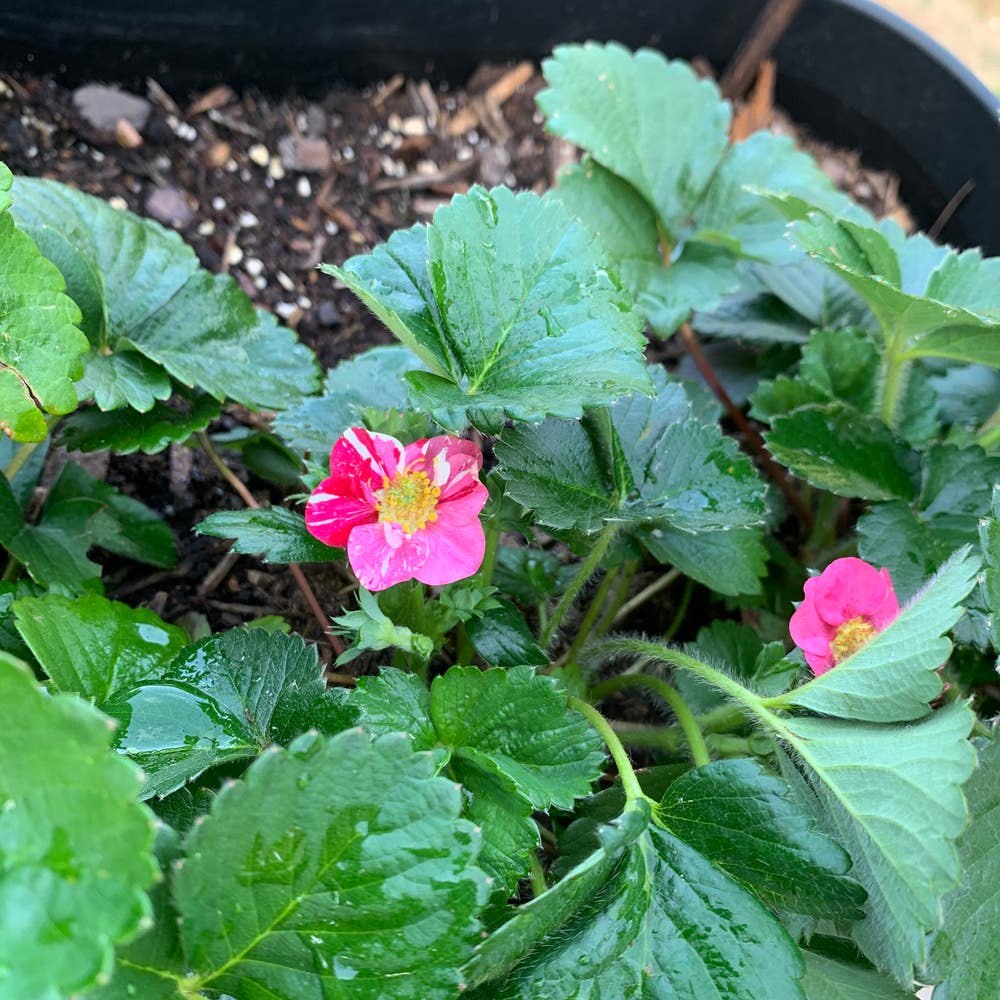
Why Are My Mock Strawberry Leaves Dropping?
Potentilla indica
By the Greg Editorial Team
Jun 18, 2024•4 min read
This article was created with the help of AI so we can cover more plants for you. May contain errors. See one? Report it here.
- Balance light and moisture to prevent Mock Strawberry leaf drop.
- Control pests immediately with insecticidal soap or neem oil.
- Prevent diseases with proper air circulation and avoiding overhead irrigation.
Pinpointing the Culprits Behind Leaf Drop
💡 Environmental Stressors
Light can be a fickle friend to Mock Strawberries. Too much sun scorches leaves, while too little leaves them languishing. Balance is key, with bright, indirect light being the sweet spot for these plants.
Moisture levels are another tightrope walk. Overwatering invites root rot, under-watering leads to wilt. The goal is consistently moist, well-draining soil. Check the top inch of soil; if it's dry, it's time to water.
🐜 Pests: Unwanted Guests
Spider mites and aphids are the usual suspects when Mock Strawberry leaves start to drop. These tiny terrors suck the life out of leaves, leaving behind a telltale pattern of damage.
Immediate action is crucial. A strong water spray can dislodge many pests, while introducing beneficial insects like ladybugs can provide long-term control. For severe infestations, miticides may be necessary.
🦠 Diseases: Fungal Foes and Other Illnesses
Fungal diseases often start stealthily, with symptoms like blackened leaf tips or yellowing. Air circulation and keeping foliage dry are your first line of defense.
Prune away any affected leaves to prevent spread. Fungicides can be effective, but the best approach is preventive care. Avoid overhead watering and ensure your Mock Strawberries have room to breathe.

First Response: Immediate Actions to Take
💧 When to Water and How Much
Watering is a delicate dance with Mock Strawberries. If the leaves are dropping, it's time to reassess your approach. Check the soil before you water—stick your finger in; if it's dry a couple of inches down, it's time to hydrate. But beware, overwatering is a common misstep that can lead to root rot. Aim for moist, not soggy.
🐜 Pest Control: Immediate Interventions
Spot pests? Isolate your Mock Strawberry pronto to stop the critter convention from spreading. For a quick fix, give your plant a shower to knock off the freeloaders. If they're stubborn, insecticidal soap or neem oil might just be your new best friends. Apply as directed and watch those pests pack their bags. Remember, the faster you act, the better your chances of saving your green buddy.

Long-Term Care Strategies to Keep Leaves Intact
🌿 Creating a Stable Environment
Adjusting care routines to prevent future stress is crucial for the longevity of your Mock Strawberry plants. As seasons shift, so should your approach to plant care. In colder months, consider adding a layer of mulch to regulate soil temperature and moisture. Come summer, ramp up your watering schedule to match the plant's increased thirst.
Regularly assess the soil; compacted earth is a no-go. Loosen it with organic matter to show your plant some love. Keep a care log — it's not just for show, it's a roadmap to your plant's happiness. If the leaves start looking dull, it's time to reassess and adjust with the precision of a plant whisperer.
🐜 Integrated Pest Management
Building a defense against pests means thinking ahead. Sanitation is key; remove leaf litter and debris to cut off the bug buffet. Introduce natural predators like ladybugs to keep pest populations in check. This isn't just being eco-friendly; it's strategic warfare in the garden.
Stay vigilant. Regular inspections are like checking for gatecrashers at your plant's dinner party. Spot an aphid? Show it the door with insecticidal soap or neem oil. It's about staying alert and nipping problems in the bud.
🦠 Disease Prevention Tactics
Cultural practices are your best bet for keeping diseases at bay. Prune any damaged leaves to prevent the spread of disease — think of it as giving your plant a fresh start. Avoid overhead irrigation to keep foliage dry and less susceptible to fungal foes.
Rotate your crops, and don't plant family members in the same spot too often. This isn't just playing musical chairs; it's about breaking the cycle of pathogens. And remember, a balanced fertilizer is your plant's best friend, but don't overdo it. Too much love can be just as harmful as neglect.

⚠️ Safety First
This content is for general information and may contain errors, omissions, or outdated details. It is not medical, veterinary advice, or an endorsement of therapeutic claims.
Always consult a qualified healthcare professional before using any plant as food, medicine, or supplement.
Never eat any plant (or feed one to pets) without confirming its identity with at least two trusted sources.
If you suspect poisoning, call Poison Control (800) 222-1222, the Pet Poison Helpline (800) 213-6680, or your local emergency service immediately.
Spotted an error? Please report it here.
Keep your Mock Strawberries thriving 🍓 with Greg's tailored reminders for pest checks and perfect watering, ensuring your greens stay lush and healthy!