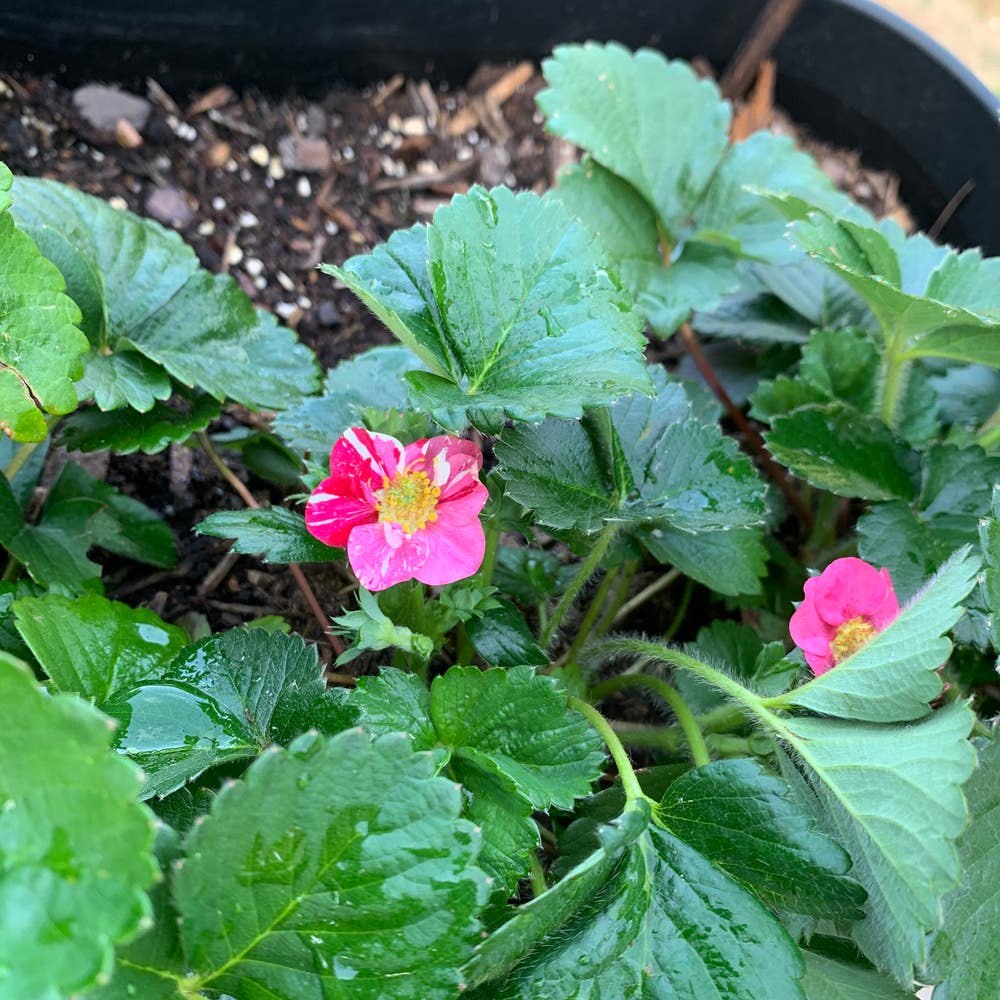
🌸 What Does It Mean When Mock Strawberry Blooms?
Potentilla indica
By the Greg Editorial Team
Jun 18, 2024•5 min read
This article was created with the help of AI so we can cover more plants for you. May contain errors. See one? Report it here.
- Blooms from spring to fall, climate affects schedule.
- Sunlight and temperature key; avoid direct sun, aim for 65°F-75°F.
- Prune and fertilize post-bloom for more spectacular flowers.
When Do Mock Strawberries Show Off Their Flowers?
🌼 Typical Blooming Season
Mock Strawberries, known for their yellow flowers, typically enter their blooming phase in late spring. They continue to showcase their blooms into early fall, offering a prolonged period of visual interest.
🌍 Climate and Regional Variations
Local climate plays a significant role in the blooming schedule of Mock Strawberries. In hot, dry regions, these plants may bloom earlier and more vigorously. It's essential to be aware that Mock Strawberries are considered invasive in some areas, so check with your local extension office before planting.
In USDA Zones 5 through 9, where Mock Strawberries are perennial, the blooming can be quite reliable. However, for those in cooler or more variable climates, the blooming period may shift or be shorter. Gardeners in regions with mild winters, such as California, might see blooms even outside the typical season, as these plants can adapt to a wide range of conditions.
Regional weather patterns also influence blooming. For instance, an unusually warm fall or a mild winter could extend the blooming period or cause a second, unexpected bloom. Conversely, a late frost might delay or damage blossoms. Always monitor the local forecast and be prepared to protect your plants if necessary.

Setting the Stage for Spectacular Blooms
💡 Light: The Ultimate Flower Power
Sunlight is the non-negotiable VIP for Mock Strawberry blooms. Aim for the sweet spot of bright, indirect light. Direct sun can be a bit of a diva, leading to leaf burn, while low light is like a cancelled show for blooms.
🌡️ The Right Temperature and Humidity Dance
Keep the temperature consistent, ideally between 65°F and 75°F. Mock Strawberries don't appreciate dramatic swings; they're more about the steady rhythm. For humidity, think of it as the background music—essential but not overpowering. Too dry, and the blooms might bail; too damp, and you're in for a fungal encore.

Feeding Your Mock Strawberry for Fabulous Flowers
💪 Soil Prep and Nutrient Mix
Creating the ideal soil environment is crucial for your Mock Strawberry to flourish. Start by breaking up your garden soil to a depth of about 12-16 inches, mixing in organic matter such as compost or manure. This not only enhances drainage but also infuses the soil with a variety of nutrients.
To ensure your soil retains just the right amount of moisture, consider adding peat moss or vermiculite. This will keep your soil from becoming waterlogged, which is a death sentence for those delicate roots.
Remember, the pH level matters. Aim for a soil pH between 6.1 and 7.8, which covers mildly acidic to mildly alkaline conditions. This range keeps your Mock Strawberry happy and ready to produce those coveted blooms.
🌼 Fertilizing: The Bloom Booster
When it comes to fertilizing, timing is everything. Late spring is your go-to period for giving your Mock Strawberry a nutritional boost. Use a balanced fertilizer to avoid overloading your plants with nitrogen, which can lead to lush leaves but no flowers.
For a quick nutrient fix, don't overlook foliar applications. Spraying the leaves with a diluted fertilizer solution can give your plants a fast-acting dose of essential nutrients, encouraging those blooms to pop.
Remember, less is more. Over-fertilization can harm your plant more than help it. Stick to monthly feedings during the growing season and give your Mock Strawberry a rest during winter. They're snoozing, and you wouldn't want to interrupt their beauty sleep with a jolt of fertilizer.

Pruning and Care: More Than Just a Pretty Face
✂️ Pruning for Potent Blooms
Pruning your Mock Strawberry isn't just a trim; it's a strategic move. By snipping away excess growth, you're telling your plant to redirect its energy from leaves to blooms.
- Use sharp, clean tools to make precise cuts without harming the plant.
- Prune after flowering to avoid cutting off future blooms; think of it as setting the stage for the next performance.
- Remove dead or dying foliage to ward off disease and encourage new growth.
- Post-pruning, a touch of fertilizer can kickstart recovery and set the scene for spectacular flowers.
💧 The Watering Rhythm
Watering your Mock Strawberry is less about routine and more about reading the soil. It's about finding that sweet spot where the soil is moist but not waterlogged.
- Water thoroughly after pruning; it's like a comforting drink after a stressful event.
- Maintain consistent moisture levels, especially as buds begin to form, to prevent bloom interruptions.
- Adjust your watering to the plant's needs, taking cues from the soil and weather conditions. Too much and you risk root rot, too little and your blooms may never show.
- Remember, watering is a balancing act; aim for even soil moisture to keep your Mock Strawberry in prime blooming condition.
Why Aren't My Mock Strawberries Blooming?
🕵️ Investigating the Bloom Blockers
Mock Strawberries, with their yellow flowers, can be quite the divas when it comes to blooming. If you're staring at a bloom-less garden, it's time to play detective. The first culprits to consider are pests. These tiny vampires, like aphids and mealybugs, could be draining your plants' vitality. Regular patrols and prompt evictions are key.
🛠️ Adjusting Care for Stubborn Plants
Sometimes, your Mock Strawberries just need a little more time to hit their stride. Patience is your ally here. If they're mature and still snubbing you with no blooms, it's pruning time. Strategic snips can reroute energy to flower production. And don't forget the watering rhythm; it's like a dance for the perfect moisture balance. Too much, and you risk root rot; too little, and your plants are gasping for a drink.
Remember, Mock Strawberries can be invasive, so before you start troubleshooting, make sure they're welcome in your garden. If all else fails, tweak your care routine. Sometimes, just like us, plants need a change of pace to thrive.
⚠️ Safety First
This content is for general information and may contain errors, omissions, or outdated details. It is not medical, veterinary advice, or an endorsement of therapeutic claims.
Always consult a qualified healthcare professional before using any plant as food, medicine, or supplement.
Never eat any plant (or feed one to pets) without confirming its identity with at least two trusted sources.
If you suspect poisoning, call Poison Control (800) 222-1222, the Pet Poison Helpline (800) 213-6680, or your local emergency service immediately.
Spotted an error? Please report it here.
Ensure your Mock Strawberries bloom beautifully 🌼 by using Greg to balance sunlight and moisture, tailored to your local climate and soil conditions.