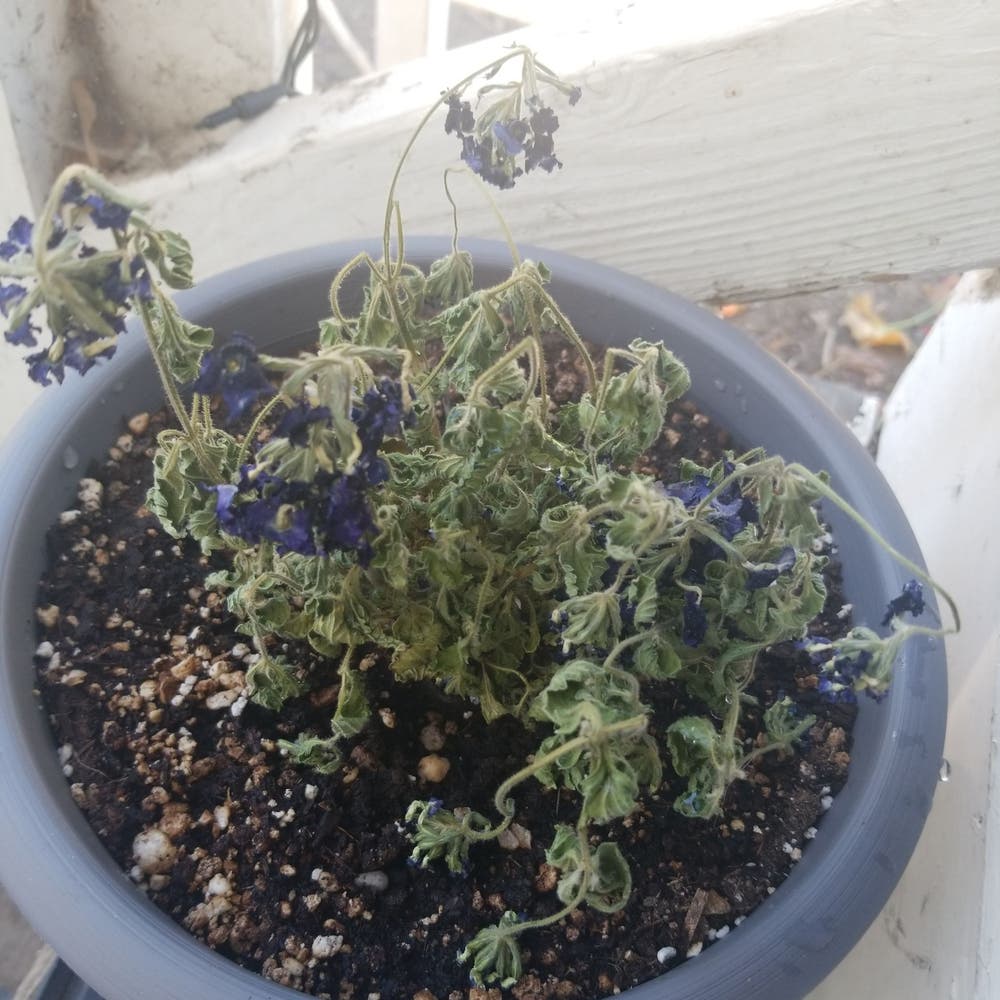
Why Are My Garden Verbena Leaves Mushy?
Verbena x hybrida
By the Greg Editorial Team
Mar 26, 2024•5 min read
This article was created with the help of AI so we can cover more plants for you. May contain errors. See one? Report it here.
Save your Verbena's soggy leaves 🍂 and secure its future health with these vital care strategies.
- Overwatering leads to mushiness, adjust watering and drainage.
- Fungal and bacterial infections cause mush, prune and clean regularly.
- Prevent with proper soil, location, and disease-resistant varieties.
Spotting the Trouble: Signs of Mushy Leaves
👀 Visual Red Flags
Discoloration is your first hint. Leaves that swap their vibrant green for a sad yellow or brown are begging for intervention. When they look as unenthusiastic as a teenager asked to do chores, it's time to act.
✋ Tactile Telltales
Feel your plant's leaves. If they collapse under your fingers like a poorly structured soufflé, raise the alarm. Translucency in leaves is like seeing the ghost of your once healthy plant—it's a sign of over-saturation.
🚨 Quick Tips for Severity Assessment
Check the roots—if they're more brown sludge than firm anchors, your plant's in trouble. Dropping leaves faster than a pop star drops singles? That's a cry for help. And if your Verbena's leaves are as firm as overcooked noodles, you've got a watering problem on your hands.
🕵️ Beyond the Obvious
Don't get fooled by pests. Mealybugs and their cotton-like residue can turn robust leaves to mush, and not in a good way. Spot mold or powdery mildew? That's not just a bad look—it's a symptom screaming "too much moisture!"
Remember, spotting mushy leaves is about being a vigilant plant guardian. Keep your eyes peeled and your hands ready to feel for signs of distress. Your Garden Verbena's life might just depend on it.
The Root of the Problem: Common Causes of Mushiness
💦 Overwatering Woes
Overwatering is the root cause of your Garden Verbena's mushy leaves. It's like throwing a pool party for the roots, but they can't swim. Yellowing or browning leaves that droop or fall off are your first clue that you've been too generous with the watering can. To correct this, ensure proper drainage and let the soil dry slightly between waterings.
🍄 Fungal Foes
Fungi are the uninvited guests at your plant's expense, thriving in the wet conditions overwatering provides. Brown spots or a general look of defeat on your plant are signs of fungal invasion. Combat these foes by improving air circulation, avoiding wetting the leaves, and removing affected foliage.
🦠 Bacterial Battles
Bacterial infections are a bit sneakier. They can turn leaves into a mushy mess and often follow a fungal party. Recognize them by a foul odor or a slimy feel. Implement control measures by avoiding overhead watering, which is essentially a bacterial rave, and sanitizing your tools to prevent spread.
Turning Over a New Leaf: Immediate Actions
💧 Water Wisdom
Adjust your watering habits immediately if you suspect overwatering. Wait for the top inch of soil to dry out before giving your Garden Verbena another drink. Use a watering can with a long spout to target the base and avoid leaf wetness, which is a VIP pass for diseases.
✂️ Prune and Protect
Snip off those mushy leaves with the precision of a surgeon. Sterilize your scissors before and after to prevent the spread of any infections. Think of it as a strategic move, redirecting your plant's energy to the healthy foliage.
🧹 Clean and Clear
Sanitation is your garden's best friend. Clear up fallen leaves and debris regularly to prevent future outbreaks. If you've been overzealous with the watering, consider adding perlite to improve drainage and give your plant the equivalent of a life jacket.
Long-Term Love: Prevention Strategies
💧 Soil and Site Selection
Choosing the right soil and location is crucial for preventing mushy leaves in Garden Verbena. A well-draining mix rich in organic matter ensures that water doesn't linger around the roots, which can lead to rot. Incorporating perlite or sand can improve drainage further.
Select a site that offers ample sunlight—Garden Verbena thrives with at least 6 hours of sun daily. This not only promotes healthy growth but also helps the leaves dry quickly, reducing the risk of fungal diseases. Ensure that the planting area has good air circulation to keep those leaves dry and disease-free.
🛡️ Disease Defense
Ongoing vigilance is your garden's armor against fungal and bacterial threats. Regular inspections for signs of disease can catch problems early, when they're easier to manage. Pruning isn't just for looks; it's a strategic move to allow for better airflow and reduce disease risk.
Avoid overhead watering to keep the foliage from staying damp, especially overnight. If you're watering in the evening, you're essentially tucking your Verbena in with a wet blanket—not a good idea.
Consider planting disease-resistant varieties of Verbena. They're like the unsung heroes in your garden, quietly fending off pathogens. And remember, cleanliness is next to godliness in the plant world. Use sterilized pots and tools to prevent the spread of disease, and don't shy away from removing any plant debris that could harbor unwanted guests.
Lastly, don't let your Verbena get bored—mix things up. Crop rotation isn't just for farmers; changing the location of your plants can prevent soil-borne diseases from getting too comfortable. Keep your garden fresh, and your Verbena will thank you with vibrant, mush-free leaves.
⚠️ Safety First
This content is for general information and may contain errors, omissions, or outdated details. It is not medical, veterinary advice, or an endorsement of therapeutic claims.
Always consult a qualified healthcare professional before using any plant as food, medicine, or supplement.
Never eat any plant (or feed one to pets) without confirming its identity with at least two trusted sources.
If you suspect poisoning, call Poison Control (800) 222-1222, the Pet Poison Helpline (800) 213-6680, or your local emergency service immediately.
Spotted an error? Please report it here.
Revive your garden verbena from soggy to stellar 🌟 by leveraging Greg's custom watering reminders and expert community advice to prevent overwatering and disease!