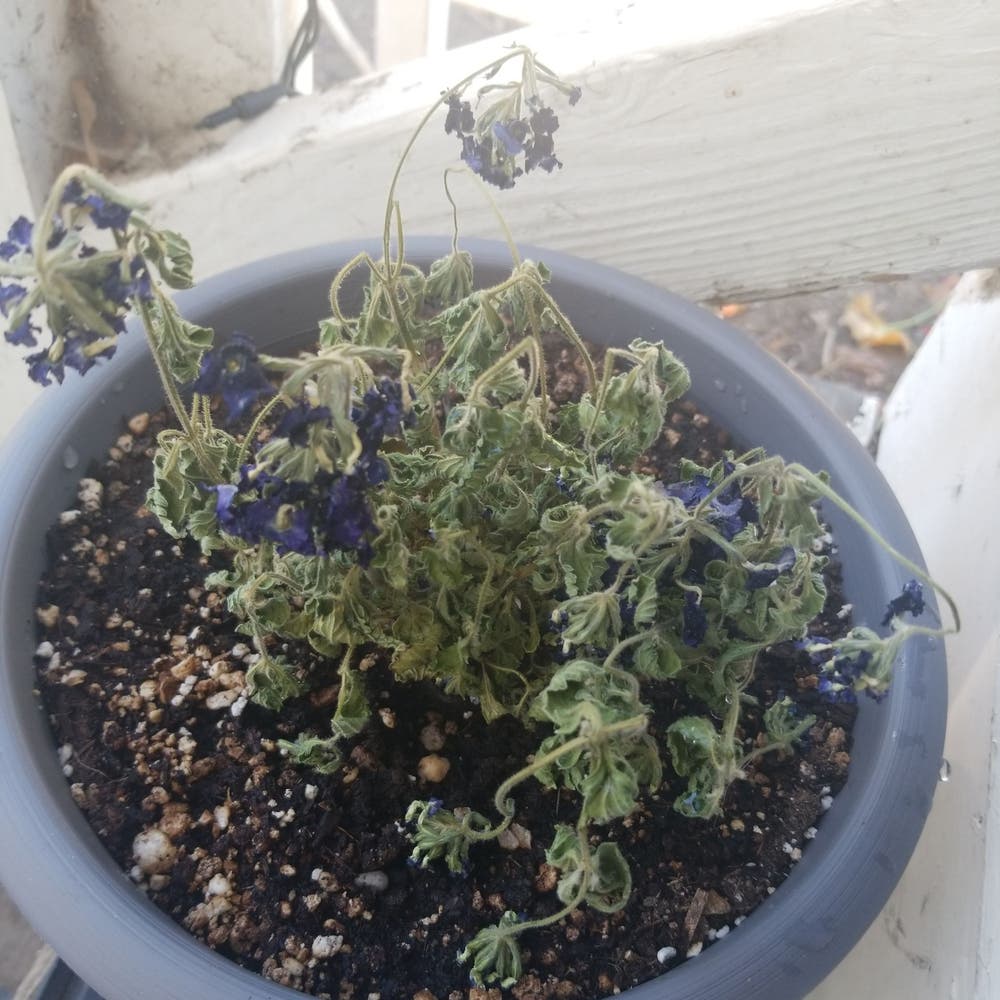
Why Are My Garden Verbena Leaves Curling?
Verbena x hybrida
By the Greg Editorial Team
Mar 26, 2024•4 min read
This article was created with the help of AI so we can cover more plants for you. May contain errors. See one? Report it here.
Uncover the secret to fixing 🍃 and preventing your Verbena's curling leaves—before they take a toll on your garden!
- 🌿 Leaf curling indicates stress; address it quickly to avoid damage.
- Pests, diseases, and environment are key culprits behind the curling.
- Prune and maintain regularly for a healthy, thriving Garden Verbena.
Spotting the Signs: When Your Verbena Leaves Start to Curl
🍃 Recognizing Leaf Curling
Garden Verbena's leaves should lay flat, not curled like party ribbons. Curling is a telltale sign that your plant is stressed. Look for leaves that are rolling inward, edges that may appear crispy, or any leaves that have taken on a tube-like appearance.
🕵️ Early Detection
Catching the curl early is key to preventing damage. Regularly inspect your Verbena for the initial signs of stress. Subtle changes, such as slight discoloration or a change in leaf texture, can be early warnings. Act fast, as early intervention can mean the difference between a quick recovery and long-term issues.
Unraveling the Mystery: Common Culprits Behind Leaf Curling
🐛 Pests That Make Leaves Curl
Aphids and spider mites are the usual suspects when it comes to leaf curling in Garden Verbena. These tiny critters feast on plant juices, causing the leaves to curl up in distress. Aphids leave behind a sticky residue known as honeydew, while spider mites create fine webs and speckle leaves with yellow dots.
🍄 Diseases That Distort Leaves
Powdery mildew is a fungal foe that can cause your Verbena's leaves to curl and distort. It's stealthy, often going unnoticed until it's too late. The telltale sign is a white, powdery coating on the leaves. If you spot this, it's time to consider a fungicide—but always follow the label instructions.
🌿 Environmental Stressors
Don't overlook environmental stress as a potential cause of leaf curling. Extreme weather conditions, such as heat waves or drought, can force your Verbena into survival mode, resulting in curled leaves. To combat this, provide shade during peak sun hours and mulch to retain soil moisture. Water stress and poor soil conditions can also contribute to the problem, so make sure your Verbena is getting the right amount of hydration and nutrients.
Getting to the Root: Diagnosing Your Verbena's Distress
🔍 Observation Techniques
To spot the early warnings of distress in your Verbena, you'll need to become a bit of a plant detective. Inspect the leaves for any signs of pests, like the tell-tale honeydew left by aphids or the fine webs of spider mites. Don't ignore the underside of leaves, a common hideout for these critters. Check for discolored spots or powdery residues that could indicate fungal infections. Environmental stress often manifests in leaf discoloration, wilting, or stunted growth, so keep an eye out for these symptoms as well.
🌱 Testing Soil and Water Conditions
It's time to get your hands dirty. Literally. Feel the soil; if it's soggy, you may be overwatering. Conversely, if it's as dry as a desert, your Verbena is parched. Use a simple soil moisture meter for a more accurate assessment. Also, consider the soil's drainage capabilities—Verbena despises wet feet. If you suspect poor drainage, it might be time to amend the soil with organic matter or relocate your plant to higher ground. Remember, water early in the day and avoid getting the leaves wet to keep mildew at bay.
Turning Over a New Leaf: Treating and Preventing Curling
🌿 Natural and Chemical Remedies for Pests and Diseases
Organic treatments should be your first line of defense against the leaf-curling villains in your garden. Neem oil is a champion, tackling pests without wreaking havoc on beneficial insects. Insecticidal soaps are another ally, especially effective against soft-bodied invaders like aphids and spider mites.
When these gentler methods don't cut it, it's time to escalate. Chemical pesticides and fungicides might be necessary for severe cases. Use them judiciously, starting with the least toxic options. It's about being a responsible gardener, not a reckless one.
🌱 Adjusting Care to Combat Environmental Stress
Watering can be a bit of a Goldilocks situation – too much or too little, and you've got problems. Aim for soil that's moist but not waterlogged. It's about hitting that sweet spot where your Verbena feels just right.
Sunlight exposure is another balancing act. Too much sun can scorch leaves, while too little leaves them wanting. Adjust placement or shading to give your Verbena the perfect tan. And don't forget the soil – it should be well-draining yet rich, like a premium coffee blend, not a cup of watery decaf.
✂️ Pruning and Maintenance for Plant Health
Pruning isn't just about aesthetics; it's about health. Remove curled and affected areas to prevent the spread of pests and diseases. It's like giving your Verbena a haircut to get rid of split ends.
Regular maintenance keeps your Verbena in top shape. It's about being proactive, not waiting for signs of distress. Think of it as routine check-ups, not just visits to the ER.
⚠️ Safety First
This content is for general information and may contain errors, omissions, or outdated details. It is not medical, veterinary advice, or an endorsement of therapeutic claims.
Always consult a qualified healthcare professional before using any plant as food, medicine, or supplement.
Never eat any plant (or feed one to pets) without confirming its identity with at least two trusted sources.
If you suspect poisoning, call Poison Control (800) 222-1222, the Pet Poison Helpline (800) 213-6680, or your local emergency service immediately.
Spotted an error? Please report it here.
Ensure your Garden Verbena's leaves stay unfurled and healthy 🌿 by following Greg's tailored care reminders to prevent stress and pests from taking hold.