🐅 Top 6 Pot Features Your Tiger Lily Will Love
Lilium lancifolium
By the Greg Editorial Team
Oct 02, 2024•5 min read
This article was created with the help of AI so we can cover more plants for you. May contain errors. See one? Report it here.
Transform your Tiger Lily's growth 🌱 by mastering pot size and drainage for vibrant blooms and health!
- 🌱 Pot size is crucial: 6-8 inches for young, 12-16 inches for mature Tiger Lilies.
- 🔄 Repot in early spring for optimal growth; look for roots or stunted growth signs.
- 💧 Ensure proper drainage: 3-5 holes prevent waterlogging and root rot.
Importance of Pot Size for Different Growth Stages
🌱 Young Plants
For young Tiger Lilies, a container size of 6-8 inches in diameter is ideal. This size provides the necessary space for initial root development and prevents overcrowding, ensuring your plant has room to thrive.
🌼 Mature Plants
As your Tiger Lily matures, it will require a larger pot, ideally between 12-16 inches in diameter. This size accommodates extensive root systems and supports healthy growth, allowing your plant to flourish.
🔄 Transitioning Between Sizes
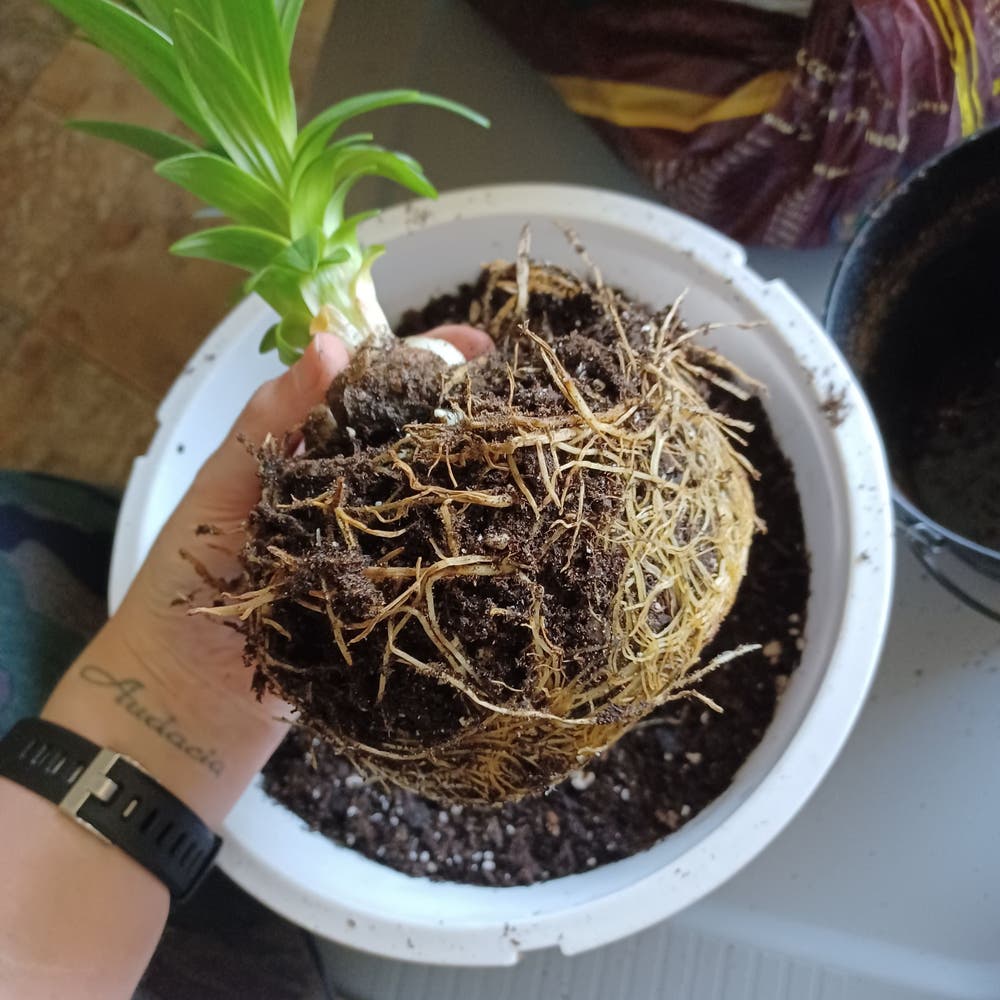
Watch for signs that it's time to transition your plant to a bigger pot. If you notice roots emerging from drainage holes or stunted growth, it’s time to act.
Repotting is best done in early spring, just before the blooming season. This timing helps your Tiger Lily adjust and continue its growth without interruption.
Ideal Materials for Pots
🌱 Clay Pots
Clay pots are a favorite among plant enthusiasts for good reason. They offer excellent breathability and moisture regulation, allowing your Tiger Lily to thrive.
However, they come with some drawbacks. Clay pots are heavier and can crack in extreme temperatures, which might not be ideal for everyone.
🪴 Plastic Pots
If you're looking for something lightweight and affordable, plastic pots are a great option. They come in various sizes and are easy to handle.
On the downside, plastic pots are less breathable and may retain moisture longer than desired. This can lead to overwatering issues if you're not careful.
🎨 Other Materials
Ceramic pots add an aesthetic appeal to your plant display. They can be visually stunning but tend to be heavy and less breathable.
Metal pots, while stylish, are generally not recommended. They retain heat and provide poor insulation, which can stress your Tiger Lily.
Choosing the right pot material is crucial for your plant's health. Consider your climate and the specific needs of your Tiger Lily to make the best choice.
With the right pot, your Tiger Lily will flourish, setting the stage for the next topic: drainage considerations.
Drainage Considerations
Importance of Drainage Holes 🌊
Drainage holes are crucial for your Tiger Lily's health. They prevent waterlogging and root rot, ensuring your plant thrives.
For optimal drainage, aim for at least 3-5 drainage holes. This simple feature can make a world of difference in your plant's well-being.
How Drainage Impacts Root Health 🧑🌾
Good drainage is essential for promoting healthy root systems. It helps prevent fungal diseases, which can devastate your plant.
Watch for signs of poor drainage, such as yellowing leaves or wilting, even when you've watered adequately. These symptoms indicate that your plant may be struggling.
Best Practices for Ensuring Proper Drainage 🚰
Start with a well-draining potting mix to keep moisture levels balanced. This choice is vital for your Tiger Lily's growth.
Consider adding a layer of gravel or stones at the bottom of the pot. This extra step enhances drainage and keeps roots happy.
With these drainage considerations in mind, your Tiger Lily will be set up for success. Next, let’s explore the signs that it’s time to repot your plant.
Repotting Tiger Lily
Repotting your Tiger Lily is essential for its health and growth. Knowing when and how to do it can make all the difference.
🌱 Signs That It’s Time to Repot
Look for visible roots peeking through the drainage holes. This is a clear sign that your plant is outgrowing its current home.
Stunted growth or yellowing leaves are also indicators. If your Tiger Lily seems to be struggling, it’s time for a change.
🛠️ Step-by-Step Guide to Repotting
- Choose a new pot that is 2 inches larger in diameter than the current one.
- Carefully remove the plant from its existing pot, taking care not to damage the roots.
- Gently loosen any tightly bound roots to encourage healthy growth in the new pot.
- Place the plant in the new pot and fill it with fresh potting mix, ensuring it’s well-supported.
- Water thoroughly and allow excess water to drain out.
Following these steps will help your Tiger Lily thrive in its new environment.
🪴 Choosing the Right Pot When Repotting
When selecting a new pot, consider the growth stage of your Tiger Lily. Make sure the pot can accommodate future growth to avoid repotting too soon again.
Material choice is also crucial. Select a pot based on your climate and whether the plant will be indoors or outdoors. This ensures your Tiger Lily gets the best possible care.
With these tips, you’re well on your way to giving your Tiger Lily a fresh start. Next, let’s explore some common mistakes to avoid during the potting process.
Common Mistakes
🚫 Common Potting Mistakes to Avoid
Potting your Tiger Lily can be a rewarding experience, but common mistakes can hinder its growth. One major pitfall is overwatering, which can lead to root rot; always ensure your pot has proper drainage.
Another frequent error is choosing the wrong pot size. A pot that’s too small can stunt growth, while one that’s too large may lead to overcrowding and poor root development.
🧙♂️ Myths About Potting and Container Gardening
Many gardeners believe that all pots are created equal, but this is far from the truth. The material and size of your pot significantly impact your plant's health and growth.
Another myth is that drainage holes are optional. In reality, they are essential for maintaining healthy root systems and preventing waterlogging.
⚠️ Safety First
This content is for general information and may contain errors, omissions, or outdated details. It is not medical, veterinary advice, or an endorsement of therapeutic claims.
Always consult a qualified healthcare professional before using any plant as food, medicine, or supplement.
Never eat any plant (or feed one to pets) without confirming its identity with at least two trusted sources.
If you suspect poisoning, call Poison Control (800) 222-1222, the Pet Poison Helpline (800) 213-6680, or your local emergency service immediately.
Spotted an error? Please report it here.
Keep your Tiger Lily thriving in style 🌼 by using Greg's tailored tips for pot selection and care reminders that ensure your plant's roots are always happy!