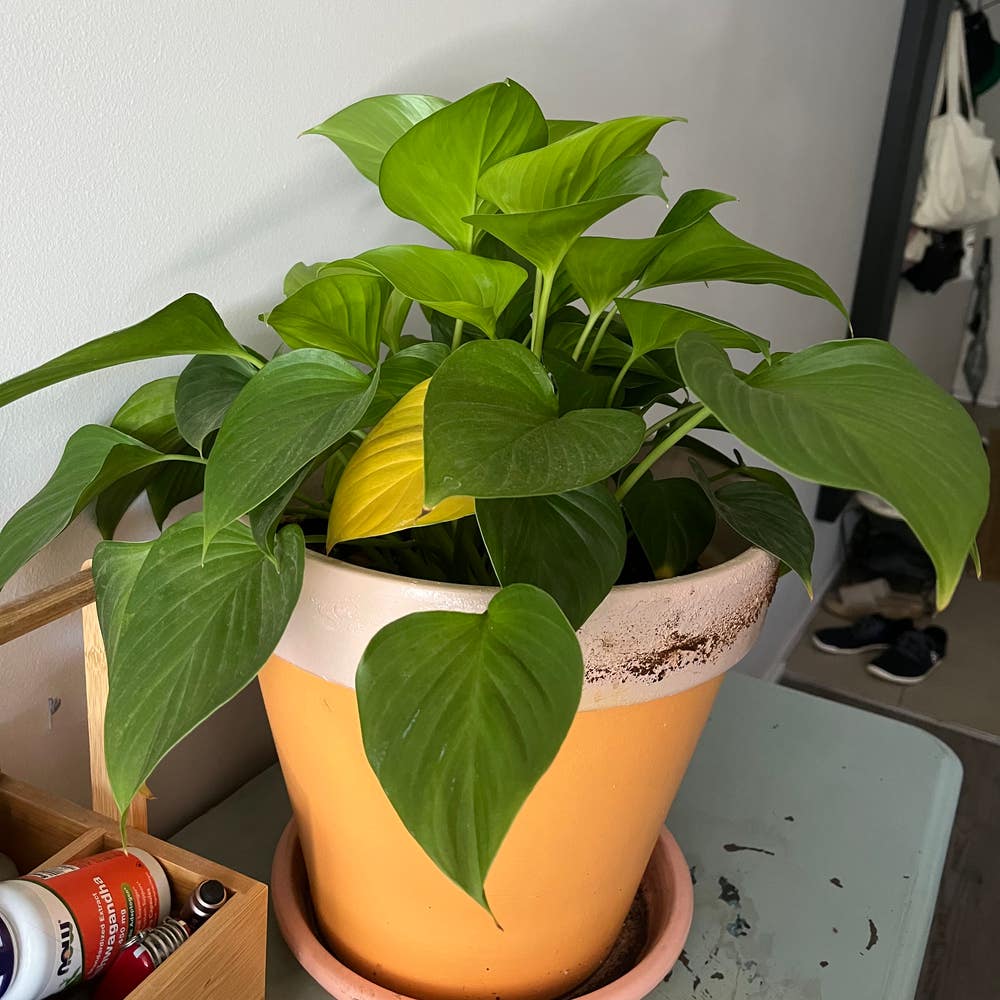
🌸 6 Perfect Spots to Grow Homalomena
Homalomena aromatica
By the Greg Editorial Team
Sep 30, 2024•5 min read
This article was created with the help of AI so we can cover more plants for you. May contain errors. See one? Report it here.
Cultivate a lush Scented Homalomena 🌱 by mastering its light, soil, and environmental needs for vibrant growth!
- 🌞 Scented Homalomena thrives in low to moderate light, ideal for shaded areas.
- 🌿 Use well-draining soil to prevent root rot and promote healthy growth.
- 🏡 Position plants in sheltered spots for optimal light and wind protection.
Sunlight Exposure Requirements
Light Needs 🌞
Scented Homalomena thrives in low to moderate light, making it perfect for shaded areas or spots with indirect sunlight. However, be cautious—direct sunlight can lead to leaf burn and stress, which can hinder its growth.
Assessing Sun Exposure ☀️
When assessing sun exposure, consider the time of day. Morning sunlight is gentler and more beneficial for your plant compared to the harsher afternoon rays.
To protect your plant from intense sunlight, using a shade cloth can be a game-changer. This simple addition diffuses harsh light, ensuring your Scented Homalomena remains healthy and vibrant.
Understanding these sunlight requirements will set the foundation for a thriving plant. Next, let’s explore the ideal soil type and conditions for optimal growth.
Soil Type and Conditions
Ideal Soil Composition 🌱
For Scented Homalomena, the right soil composition is crucial. Aim for a well-draining mix that combines potting soil, perlite, and peat moss.
This blend ensures that the soil retains some moisture while preventing sogginess. A balanced mix will keep your plant happy and thriving.
Drainage Needs and Solutions 🚰
Good drainage is essential for preventing root rot and promoting healthy growth. Without it, your plant can suffer significantly.
To ensure proper drainage, use pots with drainage holes. If you're planting in the garden, consider amending the soil with sand to enhance drainage capabilities.
By focusing on these soil and drainage requirements, you set the stage for your Scented Homalomena to flourish. Next, let’s explore how the proximity to other plants and structures can further enhance its growth.
Proximity to Other Plants and Structures
🌱 Companion Planting Considerations
Choosing the right companions for your Scented Homalomena can significantly enhance its growth. Look for plants that thrive in similar light and moisture conditions, such as ferns or peace lilies.
Companion planting not only boosts growth but also improves pest resistance. When plants work together, they create a healthier environment, reducing the need for chemical interventions.
🏠 Impact of Nearby Structures on Growth
Nearby structures can play a crucial role in your plant's health. For instance, walls or fences can provide shade, helping to regulate temperature and light exposure, which is vital for Scented Homalomena.
However, be mindful of root competition. Ensure that neighboring plants don’t siphon off nutrients, as this can hinder your Homalomena’s growth and overall vitality.
Understanding these dynamics will help you create a thriving garden space. By carefully selecting companions and considering structural impacts, you can cultivate a flourishing environment for your Scented Homalomena.
Next, let’s explore the microclimates and environmental factors that can further enhance your plant's growth.
Microclimates and Environmental Factors
🌤️ Assessing Microclimates
Microclimates are unique pockets in your garden that can have different light, temperature, and moisture levels compared to the surrounding areas. Identifying these spots is crucial for the health of your Scented Homalomena, as they thrive in conditions that closely resemble their natural habitat.
To find the best microclimates, observe your garden throughout the day. Look for areas that receive dappled sunlight or are sheltered from harsh winds, as these can be ideal for your plants.
🏡 Utilizing Microclimates
Once you've identified suitable microclimates, position your Scented Homalomena accordingly. This strategic placement can enhance growth and overall plant health, allowing them to flourish in a more controlled environment.
Consider factors like nearby trees or structures that can provide natural shade. These elements can help create a more stable microclimate, ensuring your plants receive just the right amount of light and moisture.
🌬️ Wind Protection Strategies
Wind can be a silent enemy to your plants, causing leaf damage and moisture loss. Protecting your Scented Homalomena from strong gusts is essential for maintaining their health and vibrancy.
One effective strategy is to plant near walls or fences. These structures can act as natural windbreaks, creating a calmer environment for your plants.
Alternatively, consider using additional windbreaks like tall grasses or shrubs. These can help shield your Scented Homalomena from harsh winds while adding beauty to your garden.
By understanding and utilizing microclimates and wind protection strategies, you can create an ideal environment for your Scented Homalomena. This thoughtful approach will not only enhance their growth but also make your gardening experience more rewarding.
Next, we’ll explore how to assess and choose the best spot for your plants, ensuring they thrive in their new home.
Assessing and Choosing the Best Spot
🌞 Evaluating Light and Moisture Levels
To ensure your Scented Homalomena thrives, start by assessing light and moisture levels. A light meter can be a handy tool for measuring sunlight intensity, but simply observing how your plants respond can be just as effective.
Regularly checking soil moisture is crucial. Stick your finger into the soil; if it feels dry an inch down, it’s time to water. Keeping a close eye on these factors will help you create the perfect environment for your plant.
🍂 Seasonal Changes and Their Effects on Location
As seasons change, so do light conditions. Be prepared to adjust your plant's location to maximize sunlight exposure, especially during winter when days are shorter.
Temperature fluctuations can also impact your plant's health. Protect your Scented Homalomena from cold drafts in winter and ensure it’s not exposed to excessive heat in summer. A little attention to these seasonal shifts can make a big difference in your plant's vitality.
By understanding and adapting to these environmental factors, you’ll set your Scented Homalomena up for success. Next, let’s explore how microclimates can further enhance your plant's growth.
⚠️ Safety First
This content is for general information and may contain errors, omissions, or outdated details. It is not medical, veterinary advice, or an endorsement of therapeutic claims.
Always consult a qualified healthcare professional before using any plant as food, medicine, or supplement.
Never eat any plant (or feed one to pets) without confirming its identity with at least two trusted sources.
If you suspect poisoning, call Poison Control (800) 222-1222, the Pet Poison Helpline (800) 213-6680, or your local emergency service immediately.
Spotted an error? Please report it here.
Create a thriving oasis for your Scented Homalomena 🌿 by using Greg's tailored care reminders and expert tips to find its perfect spot and keep it flourishing!