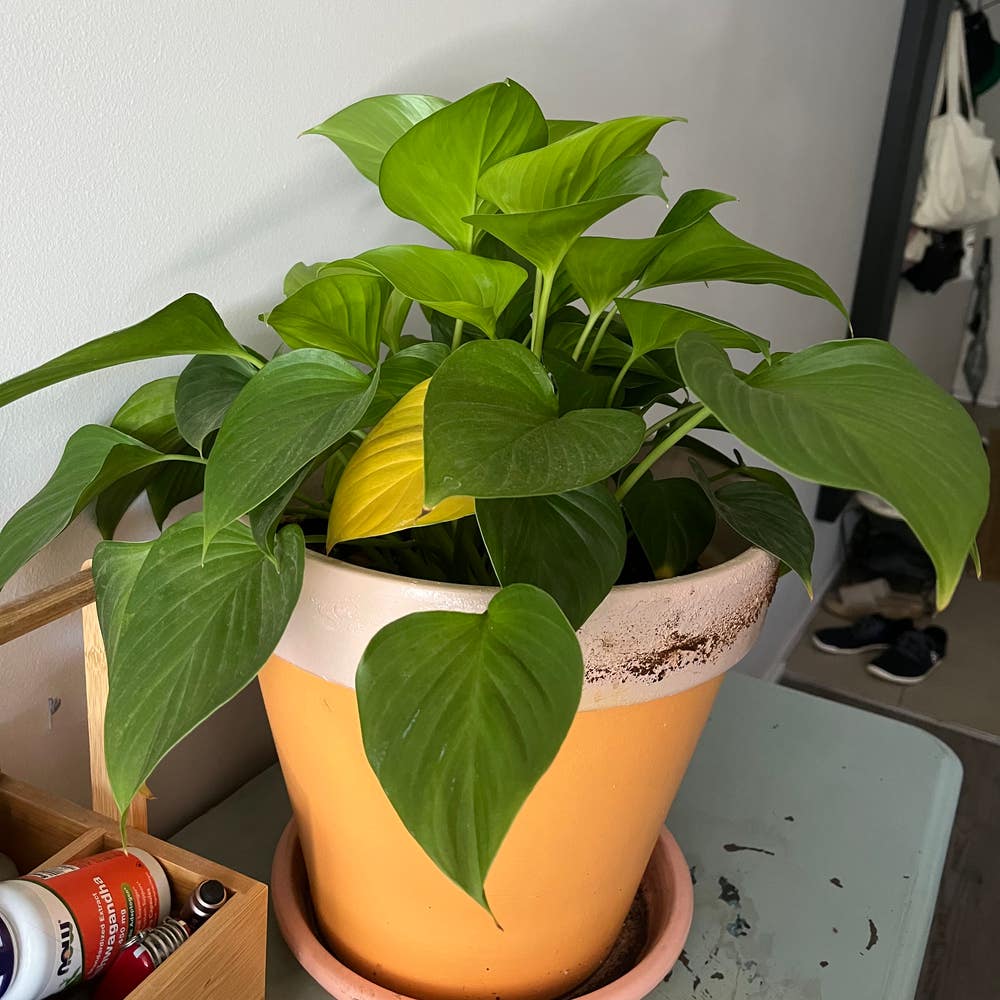
🌸 9 Tips for How to Plant Homalomena
Homalomena aromatica
By the Greg Editorial Team
Sep 30, 2024•5 min read
This article was created with the help of AI so we can cover more plants for you. May contain errors. See one? Report it here.
Unlock vibrant growth for your scented Homalomena with expert tips on planting vs. transplanting! 🌱
- 💰 Planting scented Homalomena is budget-friendly compared to buying established plants.
- 🌱 Optimal planting time is spring or early summer for best growth results.
- 🌬️ Maintain humidity above 50% and ensure proper drainage for thriving plants.
Planting New vs. Transplanting Established Plants
💰 Cost Considerations
When deciding between planting new scented Homalomena or transplanting established ones, cost plays a significant role. Planting new can often be more budget-friendly than purchasing established plants, which may come with a higher price tag.
Transplanting established plants, however, can incur additional costs. You might need soil amendments or specific tools, which can add up quickly.
⏳ Time to Maturity
New plants typically take longer to reach maturity compared to their established counterparts. If you're looking for immediate aesthetic benefits, established plants can fill that role beautifully.
On the flip side, new plants may offer a fresh start and the potential for unique growth patterns. Just be prepared for a bit of a wait.
🌱 Adaptability to Local Growing Conditions
New plants often require time to acclimate to their local environment. This adjustment period can be crucial for their long-term health and growth.
Established plants, however, are usually already adapted to local conditions. This means they might thrive more readily, giving you peace of mind as you watch them flourish.
In summary, both options have their merits. Consider your budget, timeline, and local conditions when making your choice. This will set you up for success as you embark on your planting journey.
Key Steps for Planting New Scented Homalomena
🌱 Optimal Timing for Planting
Spring or early summer is the prime time for planting scented Homalomena. During these seasons, temperatures are consistently warm, which helps the plant establish itself quickly.
🪴 Selecting the Right Soil Mix and Containers
For the best results, use a well-draining potting mix enriched with organic matter. When choosing containers, opt for pots with drainage holes, ideally 6-8 inches in diameter for young plants to allow for healthy root growth.
📏 Proper Depth and Spacing for Planting
Ensure the root ball is level with the soil surface when planting. If you're planting multiple Homalomena, space them 12-18 inches apart to promote adequate airflow and prevent overcrowding.
🌧️ Maintaining Ideal Growing Conditions
Humidity is crucial for these plants; maintain levels above 50% for optimal growth. The ideal temperature range for scented Homalomena is between 20°C to 30°C (68°F to 86°F), so keep an eye on your local climate.
🌞 Hardening Off Process Before Outdoor Planting
Before moving your plants outdoors, gradually acclimate them over 7-10 days. Start with 1-2 hours of outdoor exposure, increasing the time each day to help them adjust to their new environment.
These steps will set you on the right path to successfully planting new scented Homalomena. Next, we'll explore the key steps for transplanting established plants, ensuring they thrive in their new locations.
Key Steps for Transplanting Established Scented Homalomena
🌱 Optimal Timing for Transplanting
Transplanting your scented Homalomena is best done in spring or early summer. This timing aligns with the plant's natural growth cycle, promoting a smoother transition.
Avoid transplanting during extreme weather conditions, as this can stress the plant and hinder its recovery.
📝 Step-by-Step Instructions for Transplanting
Water the Plant: A day before transplanting, give your plant a good drink. This reduces stress and helps keep the roots intact.
Remove the Plant: Carefully lift the plant from its current location. Aim to preserve as much of the root structure as possible.
Inspect the Roots: Check for any damage. Trim away any dead or rotting sections to encourage healthy growth.
Prepare the New Site: Use well-draining soil to create a suitable environment for your plant.
Replant: Position the plant in its new spot, ensuring it sits at the same depth as before. This helps maintain its health.
📏 Space Requirements for Established Plants
Ensure there’s at least 12-18 inches of space around your Homalomena. This spacing allows for adequate growth and airflow, which is crucial for its well-being.
💧 Watering, Mulching, and Support Tips
After transplanting, water thoroughly to help settle the soil around the roots.
Consider applying a 1-2 inch layer of mulch to retain moisture and regulate soil temperature.
If your plant is taller, provide support to prevent it from toppling over, especially during windy conditions.
Transplanting can be a rewarding experience, setting your scented Homalomena up for success in its new home. With the right care, it will thrive and bring beauty to your space. Next, let’s explore how to troubleshoot common issues that may arise during this process.
Troubleshooting Common Issues
🌱 Transplant Shock and How to Mitigate It
Transplant shock can be a real bummer for your scented Homalomena. Look out for signs like wilting, yellowing leaves, and stunted growth.
To help your plant bounce back, water it adequately and keep it out of direct sunlight right after transplanting. This gives it a chance to adjust without added stress.
🛠️ Establishment Problems and Solutions
Sometimes, your plant may struggle to establish itself. Common issues include poor root establishment and inadequate moisture levels.
To combat these problems, ensure consistent watering and keep an eye on humidity levels. A little extra care goes a long way in helping your plant thrive.
🐛 Common Pests and Diseases
Pests can be a nuisance for your Homalomena. Watch for spider mites, aphids, and mealybugs, as they can wreak havoc on your plant.
Diseases like root rot often stem from overwatering. To prevent this, focus on proper drainage and watering practices. Keeping your plant healthy is all about balance.
With these troubleshooting tips, you can ensure your scented Homalomena remains vibrant and healthy. Next, let’s explore how to maintain those ideal growing conditions for optimal growth.
⚠️ Safety First
This content is for general information and may contain errors, omissions, or outdated details. It is not medical, veterinary advice, or an endorsement of therapeutic claims.
Always consult a qualified healthcare professional before using any plant as food, medicine, or supplement.
Never eat any plant (or feed one to pets) without confirming its identity with at least two trusted sources.
If you suspect poisoning, call Poison Control (800) 222-1222, the Pet Poison Helpline (800) 213-6680, or your local emergency service immediately.
Spotted an error? Please report it here.
Transform your space with scented Homalomena 🌿 by using Greg's tailored care tips and reminders to ensure your plants flourish from the start!