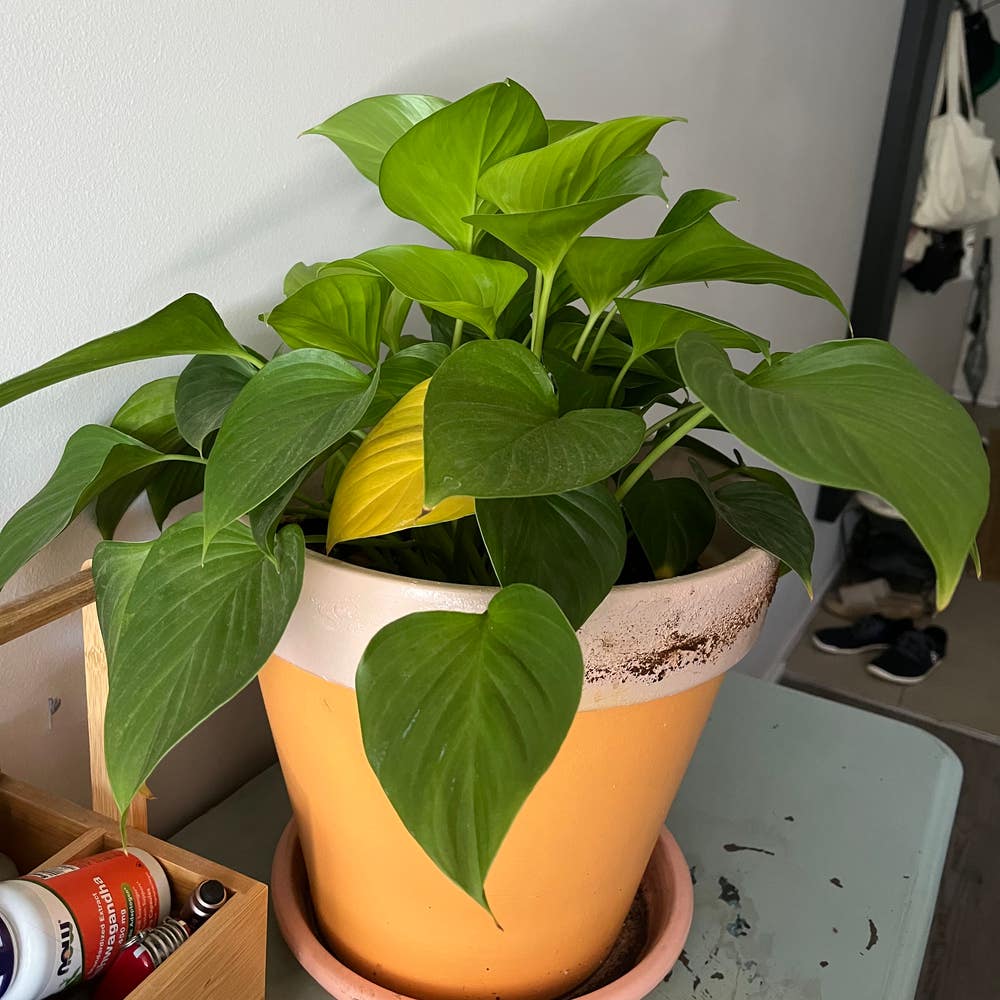
Why Are My Homalomena aromatica Leaves Curling?
Homalomena aromatica
By the Greg Editorial Team
Apr 20, 2024•4 min read
This article was created with the help of AI so we can cover more plants for you. May contain errors. See one? Report it here.
Unravel the mystery behind your Homalomena's curling leaves 🍃 and restore its lush beauty with expert tips!
- Leaf curling signals stress; watch for yellowing, brown spots, and texture changes.
- Balance water, light, and nutrients to prevent curling and maintain plant health.
- Inspect and treat for pests/diseases to keep Homalomena aromatica leaves flat.
Spotting the Signs of Trouble
🍃 Recognizing Leaf Curling
In Homalomena aromatica, leaf curling is a red flag. When leaves twist or roll in, it's not just a quirk—it's a cry for help. This deviation from their normally flat or gently curved shape is the first sign that your plant is under stress.
Other Warning Signals
But leaf curling doesn't like to travel alone. Yellowing or brown spots often join the party, hinting at more serious issues. If the leaves' texture changes, becoming softer or thinner, it's another sign that your plant is not in its happy place. Keep an eye out for these additional symptoms—they're part of the plant's SOS message.
Unraveling the Causes of Curling Leaves
💦 Thirsty Roots or Drowning?
Watering is a balancing act. Too little, and your Homalomena aromatica's roots will be as dry as a week-old baguette. Too much, and you're throwing your plant a pool party it never wanted. Check the soil before watering—aim for moist, not soggy. If the top inch feels like the Sahara, it's time to water. If it's more like a swamp, hold off on the H2O.
🌡️ The Climate Effect
Temperature and humidity are the stage managers of your plant's health. Leaves curling up could mean your Homalomena is too hot and bothered, while curling down might signal it's too chilly or waterlogged. Keep the climate consistent, and use a humidifier or dehumidifier to maintain the right moisture in the air. Your plant doesn't want to live in a reenactment of the Ice Age or experience a tropical monsoon.
🌞 Light: Finding the Sweet Spot
Lighting is crucial, but it's not about turning your Homalomena aromatica into a sun worshipper. Bright, indirect light is the sweet spot; direct sunlight is a no-go. Leaves curling towards the light are throwing shade at your current setup. Rotate your plant to ensure even light distribution and consider sheer curtains to prevent a case of sunburned leaves.
Nourishment and Care for Curled Leaves
💪 Feeding Your Homalomena Right
Nutrient deficiencies are often the culprits behind the disheartening sight of curled Homalomena leaves. It's essential to diagnose the deficiency with a soil test. Once you've pinpointed the missing nutrients, a balanced, water-soluble fertilizer is your go-to remedy. Apply it judiciously; over-fertilizing can be just as harmful as neglect.
🚰 The Drainage Dilemma
Poor drainage is a silent killer for Homalomena. Ensure your pot has adequate drainage holes to avoid soggy soil conditions that can lead to root rot. Consider a potting mix rich in organic matter—peat, perlite, and pine bark fines are excellent choices. They provide the "just right" environment: moist yet breathable, like a well-aerated sponge. Remember, waterlogged roots are a no-go for your Homalomena's well-being.
Keeping Pests and Diseases at Bay
🕵️ Early Detection of Invaders
Homalomena aromatica's leaves curling? Pests and diseases could be throwing a secret rave in there. Time to crash it.
Check Under the Leaves
Flip those leaves like you're flipping burgers. Webbing, residue, or bugs—that's your cue to act.
Quarantine New Plants
New plant on the block? Give it the VIP isolation treatment to prevent any undercover disease agents from mingling.
Sterilize Your Tools
Think of your pruning shears as surgical instruments. Keep them sterilized to avoid spreading the plant plague.
🛠️ Effective Treatment Strategies
Once you've caught the culprits, it's time to show them the door—firmly.
Integrated Pest Management (IPM)
IPM is your strategic battle plan. Combine cultural, mechanical, biological, and chemical tactics to keep those pests in check.
Beneficial Insects
Release the ladybugs! They're like the pest world's version of a cleanup crew, munching on aphids like they're at an all-you-can-eat buffet.
Fungicide with Caution
Got a fungal party crasher? A targeted fungicide might be necessary, but read that label like it's a top-secret dossier—safety first.
Repeat Treatments
Some pests are like bad movie sequels—they just keep coming back. Be prepared to repeat treatments, especially with those pesky spider mites.
Keep It Clean
Maintain garden cleanliness like it's your kitchen. Pests and diseases hate a tidy space.
Proper Watering and Air Circulation
Water your Homalomena just right—not too much, not too little. And keep the air moving; stagnant air is a fungal fiesta.
Remember, being proactive is the name of the game. Regular inspections and a bit of bug warfare can keep your Homalomena aromatica's leaves as flat as a pancake.
⚠️ Safety First
This content is for general information and may contain errors, omissions, or outdated details. It is not medical, veterinary advice, or an endorsement of therapeutic claims.
Always consult a qualified healthcare professional before using any plant as food, medicine, or supplement.
Never eat any plant (or feed one to pets) without confirming its identity with at least two trusted sources.
If you suspect poisoning, call Poison Control (800) 222-1222, the Pet Poison Helpline (800) 213-6680, or your local emergency service immediately.
Spotted an error? Please report it here.
Keep your Homalomena aromatica's leaves unfurled and thriving 🍃 by letting Greg monitor environmental stressors and optimize your plant care routine.