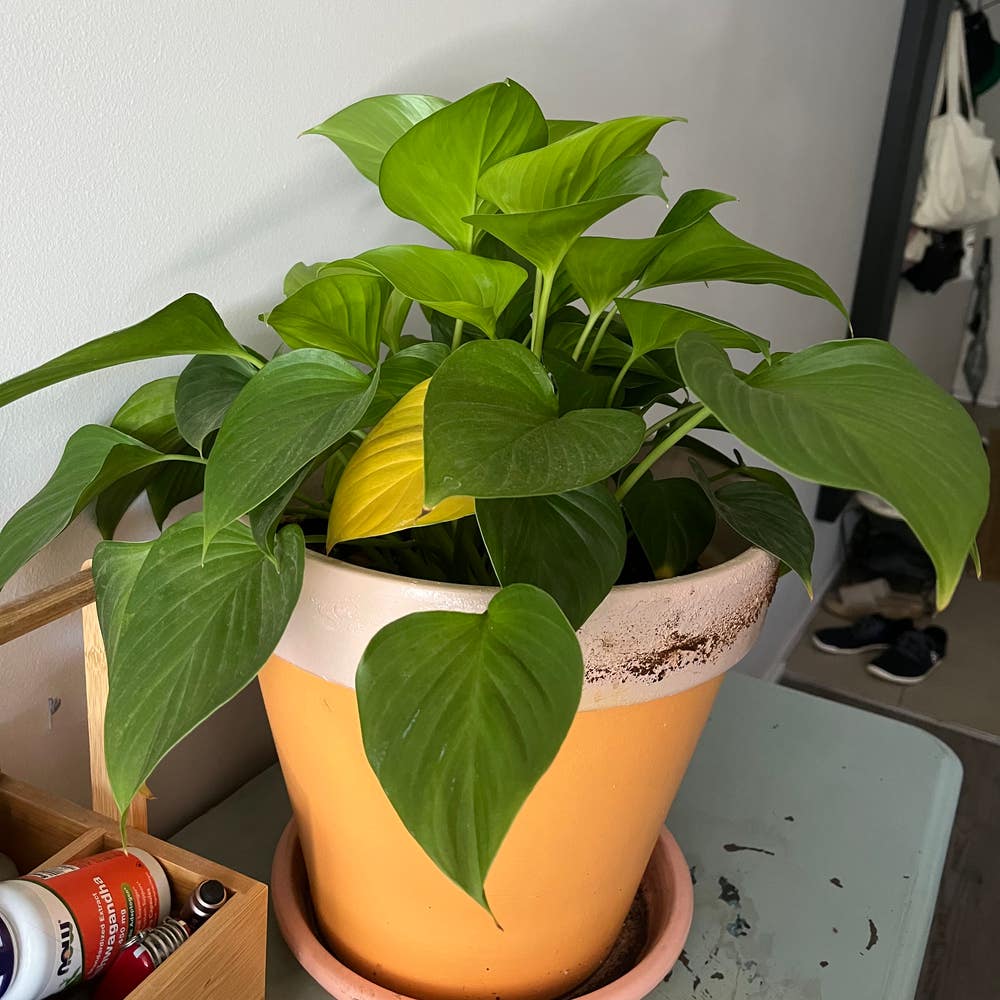
🌞 Is My Homalomena aromatica Getting Too Much Direct Sunlight?
Homalomena aromatica
By the Greg Editorial Team
Apr 20, 2024•4 min read
This article was created with the help of AI so we can cover more plants for you. May contain errors. See one? Report it here.
Avoid crispy leaves on your Homalomena aromatica 🌿 by mastering its sunlight preferences and dodging sunburn.
- 🌿 Prefers bright, indirect sunlight to avoid leaf scorch and sunburn.
- Adjust placement seasonally for optimal light without leaf burn.
- Balance light with water, humidity, nutrition for plant health.
Sunlight Simplified: What Does Homalomena Aromatica Prefer?
🌞 Breaking Down Direct vs. Indirect Sunlight
Direct sunlight is like the spotlight on a stage—it's intense and can be too much for your Homalomena aromatica. Indirect sunlight, on the other hand, is the backstage glow—bright enough to see, but not so harsh that it causes damage.
🌅 Homalomena Aromatica's Sweet Spot
The ideal light for Homalomena aromatica is a bright, indirect setting. Think of a place where sunlight filters through a sheer curtain or bounces off a wall. It's the plant's happy zone, where it gets the light it needs without the risk of sunburn.
When Sunlight Gets Too Personal: Signs of Overexposure
🚨 Spotting the Symptoms
Too much direct sun can leave your Homalomena aromatica with scorched leaves. If they start looking crispy or faded, it's a cry for help. Your plant's telling you it's time for a change of scenery.
🚑 Immediate Steps to Take
Caught your Homalomena aromatica getting a sunburn? Move it out of the direct line of fire—stat. Find a spot that offers bright, indirect light, and watch your plant breathe a sigh of relief.
The Window Compass: Navigating Sunlight in Your Home
Navigating your Homalomena aromatica's sun exposure begins with window orientation.
🌅 North and East-Facing Windows: The Gentle Touch
North-facing windows offer a consistent but moderate light, ideal for the delicate leaves of Homalomena aromatica. East-facing windows provide a soft morning light, perfect for easing your plant into the day without overwhelming it.
☀️ South and West-Facing Windows: The Intense Spotlight
South-facing windows bathe your plant in intense light throughout the day—great for cacti, but potentially too much for your Homalomena. West-facing windows are like the afternoon rock concerts of sunlight, intense and vibrant, possibly leading to leaf burn.
🌿 Adjusting Plant Placement: Follow the Sun
As the sun moves, so should your plant. Keep it a few feet away from south or west windows to avoid scorching. Consider using sheer curtains to diffuse the light.
🌎 Hemisphere Hacks: Seasonal Sunlight Strategies
Your Homalomena aromatica's sunbathing schedule should be tailored to your geographical location.
🌞 Northern Hemisphere: South-Facing for the Win
In the Northern Hemisphere, south-facing windows are your plant's best friend during the winter, offering maximum sunlight without the summer heat.
🌏 Southern Hemisphere: Flip the Script
If you're in the Southern Hemisphere, north-facing windows are the go-to for gentle, yet ample sunlight.
🌱 Seasonal Shifts: The Sun's Mood Swings
As seasons change, so does the sun's angle. Move your plant closer to the light in winter and further away during the hot summer months. Keep an eye on the sun's path and adjust your plant's spot to avoid leaf sunburn.
🌳 Observe and Adapt: The Dance with the Sun
Remember, your home's unique features—window size, nearby structures, even trees—can influence light intensity. Observe these factors and adjust your plant's location as needed. It's like a dance, and you're leading.
Shielding Strategies: Protecting Homalomena Aromatica from Harsh Rays
⛅️ Direct sunlight can be too much of a good thing for your Homalomena aromatica. To avoid leaf burn, filter that light. A sheer curtain can act as a plant sunscreen, diffusing the intense rays while still letting through the good stuff.
Creative Ways to Filter Sunlight
- Sheer Curtains: They're not just for decor; they're a plant's UV armor.
- Adjustable Blinds: Dial down the brightness to suit your green buddy's needs.
- UV-Filtering Films: Stick these on your windows for a cool light filter.
- Shade Cloths: Like a parasol, they shield your plant from the sun's zeal.
When to Move Your Plant
- Leaf Tan Lines: If your plant's leaves look like they've had a day at the beach, it's time to move it.
- Sun's Journey: As the sun shifts, so should your plant. Keep it out of the midday spotlight.
- Seasonal Changes: When the sun gets aggressive in summer, pull your plant back.
The Balancing Act: Light and Other Care Elements
🛡️ Bright, indirect light is your Homalomena aromatica's jam. But remember, light is just one part of the thriving equation.
Ensuring Overall Well-being
- Water: Keep the soil moist but not soggy. Think of it as a moist towelette, not a wet sponge.
- Humidity: These plants love a good steam room vibe. A humidifier or a pebble tray can up the ante.
- Nutrition: Feed it with a balanced fertilizer, but don't go overboard. It's a meal, not a feast.
Balancing Care Elements
- Light vs. Water: More light usually means more water. It's a thirst thing.
- Humidity and Heat: High humidity can offset some of the stress from heat. Think of it as a plant spa.
- Seasonal Shifts: As seasons change, so should your care routine. Be the plant DJ, mixing the right care vibes.
⚠️ Safety First
This content is for general information and may contain errors, omissions, or outdated details. It is not medical, veterinary advice, or an endorsement of therapeutic claims.
Always consult a qualified healthcare professional before using any plant as food, medicine, or supplement.
Never eat any plant (or feed one to pets) without confirming its identity with at least two trusted sources.
If you suspect poisoning, call Poison Control (800) 222-1222, the Pet Poison Helpline (800) 213-6680, or your local emergency service immediately.
Spotted an error? Please report it here.
Avoid the sunburn blues for your Homalomena aromatica by letting Greg auto-magically gauge 🌞 the perfect spot and light intensity for lush, healthy leaves.