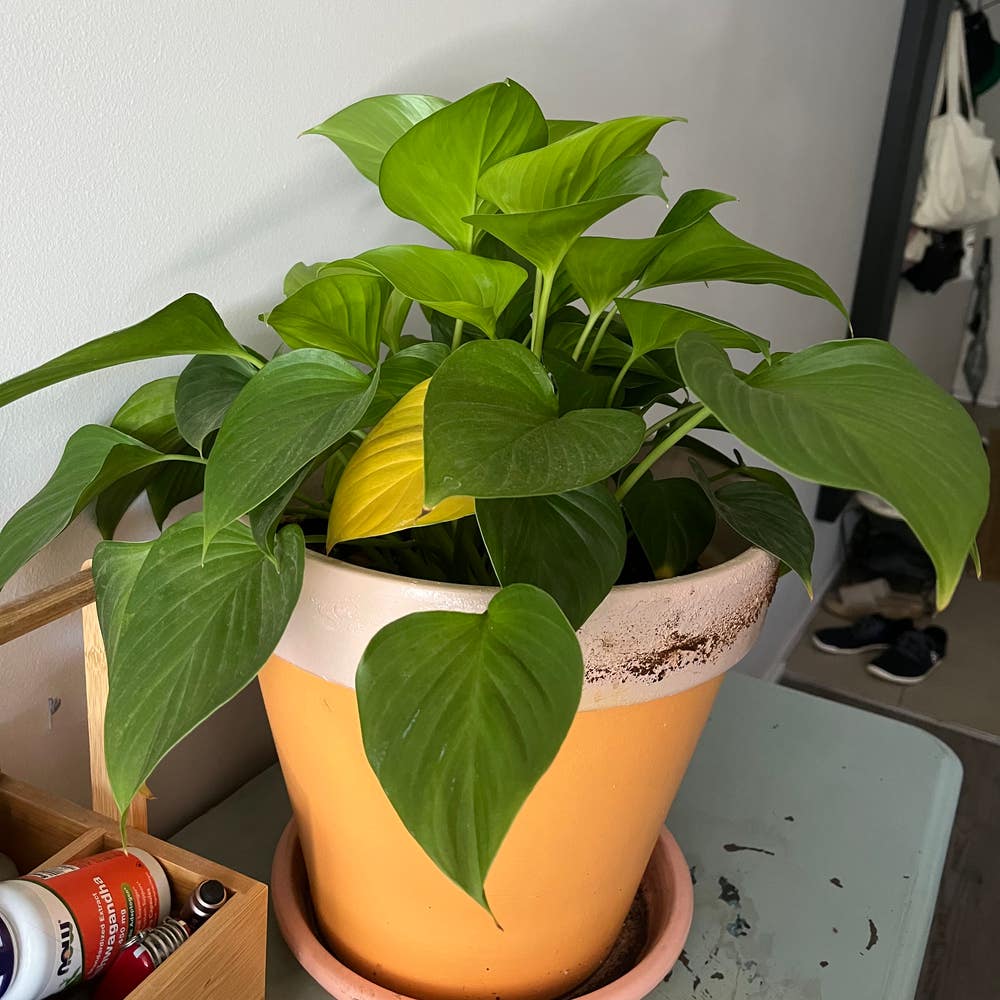
Black Spots on My Homalomena aromatica Leaves
Homalomena aromatica
By the Greg Editorial Team
Apr 20, 2024•4 min read
This article was created with the help of AI so we can cover more plants for you. May contain errors. See one? Report it here.
Banish black spots 🕵️♂️ from your Homalomena aromatica with this essential plant-saving guide!
- Black spots mean trouble, often from pathogens or stress.
- Overwatering and poor air flow contribute to black spot development.
- Immediate and long-term care are key to treating and preventing black spots.
Spotting the Culprit: Recognizing Black Spots
🕵️ What Do They Look Like?
Black spots on Homalomena aromatica leaves are alarm bells. They start as tiny, dark lesions and can vary in appearance. Some have crispy edges, while others might feel slimy to the touch. The spots could be surrounded by a yellow halo, suggesting a pathogen's presence, or they might be halo-less, indicating environmental stress.
🔄 The Spread Pattern
The spread of black spots is like a plant's SOS signal. If you notice spots merging into larger blotches or expanding across the leaf surface, it's time to act. A pattern of spots beginning on the underside of leaves or targeting new growth is a clear sign of trouble. Regular checks are crucial; they're the health check-ups your Homalomena aromatica desperately needs.
Unearthing the Causes
🚿 Too Much Love: Overwatering Woes
Overwatering is the helicopter parent of plant care; it smothers with good intentions. Homalomena aromatica doesn't need a daily dip. This excess moisture is a VIP pass for fungi, turning your plant's soil into a black spot nightclub. Dial back the water love and let the soil's surface dry out between drinks.
💨 Stuffy Spaces: Poor Air Circulation
Airflow is the unsung hero in your plant's life story. Without it, you're basically throwing a sauna party for pathogens. Poor circulation equals moist leaves, a prime hotspot for black spot raves. Keep the air moving; think of it as your plant's personal space that needs respecting.
🦠 Unwanted Guests: Fungal and Bacterial Invaders
Fungal and bacterial pathogens are the ultimate freeloaders, crashing the cozy, damp confines of your plant's habitat. These microscopic party crashers are behind the black spots, turning leaves into a spotty mess. To evict these uninvited guests, balance hydration and ventilation, and act swiftly at the first sign of a black spot invasion.
The Detective Work: Diagnosing Black Spots
🔍 Examining the Evidence
To kickstart your black spot investigation, grab a magnifying glass or your phone's zoom function. Check the leaves for spots' shape, size, and color. Uniformity suggests a systemic issue, while randomness might indicate environmental stress or pests. Don't ignore wilting or mold, which could accompany the spots.
🌀 Pattern Recognition
Observe the spread. Are the spots isolated or merging into a botanical crime scene? Fungal foes often leave a pattern, like concentric rings or a powdery halo. Chaos in the spread could point to other villains. If the spots are expanding or new ones are popping up, it's a clear signal the problem is on the move. Take note of any yellow halos or sappy residue, as these are telltale signs of specific pathogens.
Sanitize your tools before and after playing plant doctor to prevent the spread of any potential plant plagues. Assess the environment too—poor light and bad air circulation are accomplices in crime against your Homalomena aromatica. Revisit your watering schedule; overdoing it can drown your plant's dreams.
If your plant's health doesn't improve after initial treatment, it's time to suspect a fungal infection. Consult a plant pathologist or your local nursery guru if you're stumped—they're the equivalent of the plant world's CSI. Remember, the quicker you pinpoint the problem, the better the odds of your plant's survival.
Turning the Tide: Treatment and Prevention
🩹 First Aid for Your Plant
Immediate action is paramamount when black spots mar your Homalomena aromatica. Begin by isolating the plant; think quarantine chic. With sterilized scissors, snip off the spotted leaves like you're editing a bad selfie. It's tough, but necessary.
🌿 Long-Term Care
Long-term care is about vigilance and routine. Keep a log, like a diary for your plant's health. Regularly check the soil before watering—only when it's dry as a witty comeback. Prune with purpose, removing any foliage that looks suspiciously spotty.
🌱 The Right Environment
Creating the right environment is like setting the stage for a blockbuster—everything needs to be perfect. Ensure airflow is as free as your plant's spirit, and water at the base to keep those leaves dry. Think of well-draining soil as the VIP lounge for roots; they'll thank you for it.
⚠️ Safety First
This content is for general information and may contain errors, omissions, or outdated details. It is not medical, veterinary advice, or an endorsement of therapeutic claims.
Always consult a qualified healthcare professional before using any plant as food, medicine, or supplement.
Never eat any plant (or feed one to pets) without confirming its identity with at least two trusted sources.
If you suspect poisoning, call Poison Control (800) 222-1222, the Pet Poison Helpline (800) 213-6680, or your local emergency service immediately.
Spotted an error? Please report it here.
Ensure your Homalomena aromatica stays spot-free 🌿 with Greg's tailored environment monitoring and care tips, keeping those black spots at bay.