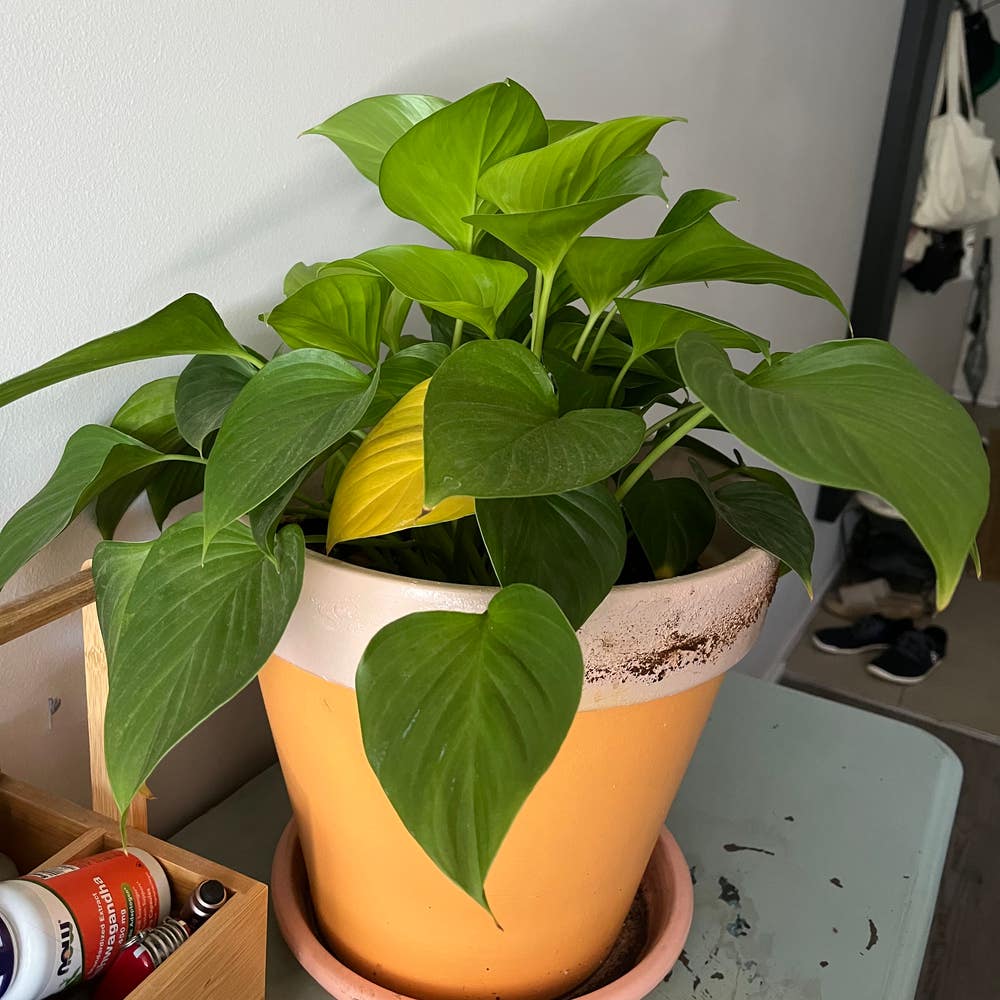
How and When Should I Cut Back My Homalomena aromatica?
Homalomena aromatica
By the Greg Editorial Team
Apr 20, 2024•3 min read
This article was created with the help of AI so we can cover more plants for you. May contain errors. See one? Report it here.
Snip your way to a vibrant Homalomena 🌿 this spring with expert timing and techniques for a thriving plant.
- Spring pruning promotes resilience, best during growth phase for recovery.
- 🌿 Use sharp, sterilized tools for clean cuts and disease prevention.
- Trim wisely and water post-prune to shape and aid plant recovery.
Snip in Time: When to Prune Your Homalomena Aromatica
⏰ Recognizing the Right Time
Pruning Homalomena aromatica isn't a calendar event; it's about reading the room—or rather, the plant. Spring is your golden ticket, aligning with the plant's growth spurt. It's when your leafy friend is most resilient, ready to bounce back from a trim with gusto. Look for signs like yellowing leaves or a congested center—your plant's way of waving a white flag for help.
Timing and Plant Health
Timing isn't just a suggestion; it's a crucial factor for your plant's well-being. Prune when Homalomena aromatica is in its growth phase, typically spring or early summer. This is when the plant has the energy to heal and grow stronger, rather than sulking in a corner. Avoid the fall; it's like showing up to a party after the music's stopped. Pruning too late can stress your plant, making it vulnerable to disease and a lackluster performance.
Making the Cut: How to Prune Your Plant
🌱 Preparing to Prune
Selecting the right tools is crucial. You wouldn’t bring a butter knife to a steak dinner, so don’t skimp on your pruning gear. Go for sharp, sterilized pruning shears or a sharp knife for those precision cuts.
Sanitize your tools before you start; it's like the hand sanitizer for your plant's health. A dip in rubbing alcohol or a bleach solution will do the trick. This step is non-negotiable—dirty tools can introduce diseases, turning your trim session into an episode of plant ER.
🌿 Pruning Techniques
Where to make cuts is an art in itself. Aim just above the node, and angle your shears at 45 degrees. This isn’t just for aesthetics; it promotes quick healing and prevents water from pooling, which can lead to rot.
For shaping and controlling size, it’s a balancing act. Trim more in dense areas to even out the silhouette, but remember, no more than 25% at a time. It’s a trim, not a complete makeover. After you’re done, clean your tools again—it’s like brushing your teeth after a meal; it keeps things fresh for next time.
Pruning for Perfection: Health and Aesthetics
🌱 Removing the Unwanted
Spotting damaged or diseased foliage on your Homalomena aromatica is like finding a typo in a tweet—get rid of it before it goes viral. Snip these sections with the precision of a surgeon to prevent the spread of disease and to redirect the plant's energy towards healthy growth.
✂️ Shaping Up
When shaping your Homalomena aromatica, think of yourself as a stylist giving a haircut that needs to grow out well. Aim for a balanced look that complements the plant's natural form. Strategic cuts can enhance its beauty, much like a well-tailored suit accentuates the right features.
After the Snip: Caring for Your Pruned Plant
💧 Post-Pruning Care
After you've given your Homalomena aromatica a trim, watering is your next move. Keep the soil moist, not drenched, to help the plant recover without the risk of root rot. Hold off on the fertilizer; let the plant show signs of new growth first before giving it that nutrient boost.
Monitoring for Signs of Stress or Recovery
Post-prune vigilance is key. Look out for yellowing leaves, drooping, or halted growth. These are your plant's SOS signals. Adjust care as needed, and remember, a clean environment helps ward off diseases.
Clean Up
Responsibly dispose of your pruned leaves. Disease-free? They're compost material. Showing signs of rot or pests? Bag them up and trash them to prevent any spread. And don't forget to clean your tools; it's like washing your hands after you've been elbow-deep in the garden's guts.
⚠️ Safety First
This content is for general information and may contain errors, omissions, or outdated details. It is not medical, veterinary advice, or an endorsement of therapeutic claims.
Always consult a qualified healthcare professional before using any plant as food, medicine, or supplement.
Never eat any plant (or feed one to pets) without confirming its identity with at least two trusted sources.
If you suspect poisoning, call Poison Control (800) 222-1222, the Pet Poison Helpline (800) 213-6680, or your local emergency service immediately.
Spotted an error? Please report it here.
Trim your Homalomena to perfection this spring by using Greg's custom reminders 🌿, ensuring you cut back at the ideal time for a resilient and lush plant.