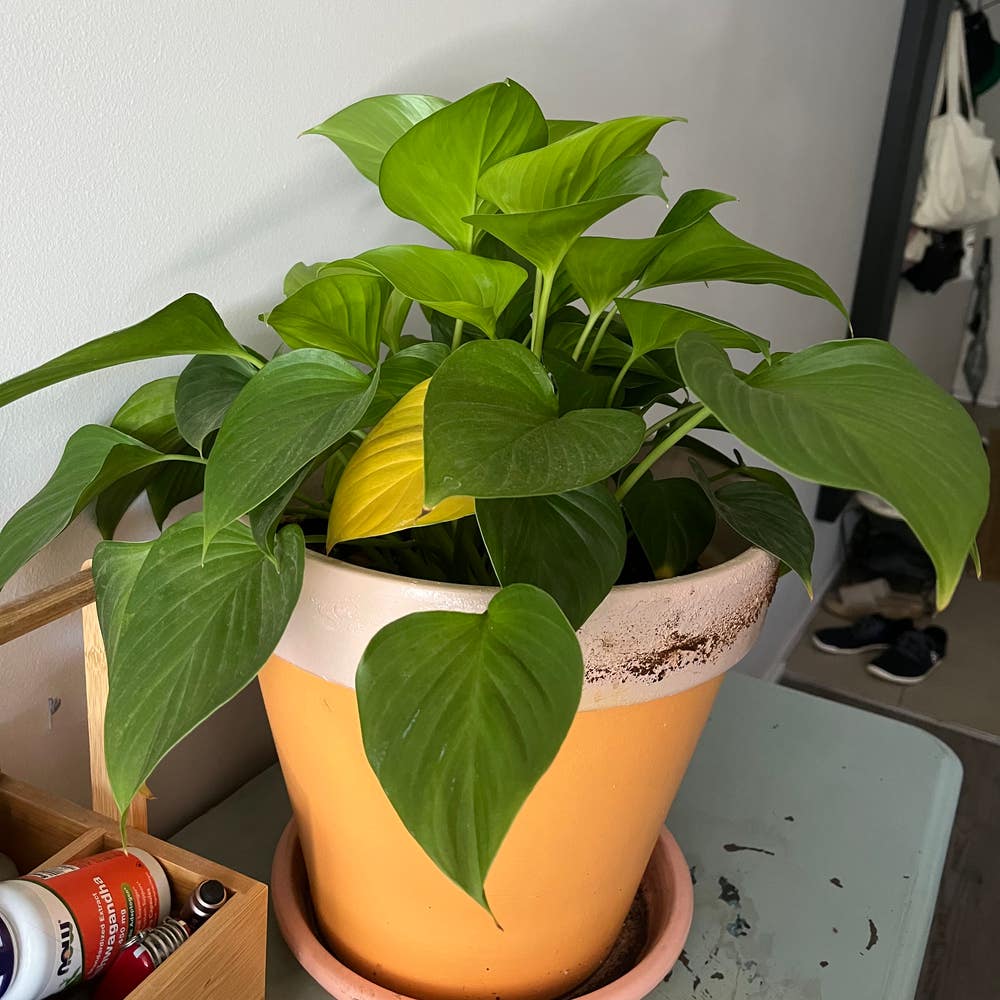
❄️ How to Prepare Your Scented Homalomena for Winter
Homalomena aromatica
By the Greg Editorial Team
Sep 30, 2024•4 min read
This article was created with the help of AI so we can cover more plants for you. May contain errors. See one? Report it here.
Ensure your Homalomena thrives this winter 🌿 with essential care tips for a vibrant spring recovery!
- ❄️ Reduce watering in winter to prevent root rot; let soil dry slightly.
- 🌱 Cut back on fertilizing during dormancy; resume in early spring for growth.
- 🌬️ Maintain humidity levels between 50-70% to protect your Homalomena from winter stress.
Winter Care Requirements
🌊 Adjusting watering schedules for winter
In winter, it's crucial to reduce your watering frequency. Allowing the soil to dry slightly between waterings helps prevent root rot.
Aim to keep the soil slightly moist but never soggy. Watch for signs of overwatering, such as yellowing leaves and root rot symptoms, which can be detrimental to your Homalomena.
🥦 Modifying fertilizing practices in winter
During winter, cut back on fertilizing as your plant enters dormancy. This pause allows the plant to conserve energy and focus on survival.
Opt for balanced, slow-release fertilizers when you do feed your plant. The best time to resume fertilization is early spring, as growth begins to pick up again.
💧 Importance of humidity levels in winter care
Maintaining humidity levels between 50-70% is vital for your Homalomena's health during winter. Low humidity can lead to stress and damage.
To increase humidity, consider using humidifiers, pebble trays, or grouping your plants together. Regularly monitor humidity levels with a hygrometer to ensure your plant thrives in the colder months.
With these winter care strategies, your Homalomena will be well-prepared to weather the season. Next, let's explore effective frost protection strategies to keep your plant safe from the cold.
Frost Protection Strategies
Indoor vs. Outdoor Winter Care 🌡️
Caring for your Homalomena during winter requires different strategies depending on its location. For indoor plants, maintaining warmth and humidity is crucial to keep them thriving.
Outdoor plants need special attention as temperatures drop. Always bring them inside before the first frost hits to prevent damage.
Methods for Protecting from Frost 🛡️
To shield your plants from frost, consider covering them with frost cloths or blankets. This simple method can provide an extra layer of protection against harsh temperatures.
Creating barriers like windbreaks or placing plants in sheltered locations can also help. Start monitoring temperatures as winter approaches to ensure timely protection.
Signs of Frost Damage and How to Address Them ❄️
Frost damage can manifest in several ways, including wilting, browning edges, and mushy stems. Recognizing these symptoms early can save your plant from further harm.
If you notice frost damage, act quickly by bringing the plant indoors and trimming any affected leaves. For long-term recovery, continue to monitor and adjust care as needed to help your plant bounce back.
As you prepare for the spring season, understanding these frost protection strategies will set you up for success. Next, we'll explore how to identify and solve common winter-related issues that may arise.
Spring Preparation and Recovery
🌱 Signs of Recovery from Winter Damage
As winter fades, look for signs of recovery in your Homalomena. New growth and vibrant leaf color are strong indicators that your plant is bouncing back.
Keep an eye out for pests, as plants can be more vulnerable after winter stress. Patience is key; recovery timelines can vary, so give your plant the time it needs to thrive.
🌼 Preparing for Spring Growth
Transitioning care is essential as spring approaches. Gradually increase watering and humidity to support new growth.
Reintroduce nutrients with a balanced fertilizing schedule as your plant awakens. Pruning any dead or damaged foliage will encourage healthier growth and a fuller appearance.
🌞 Transitioning Care from Winter to Spring
Adjusting light exposure is crucial for your plant's spring awakening. Gradually increase light to help it adapt without shock.
Monitor temperature changes to ensure warmth as days lengthen. Establishing a consistent care routine will set your Homalomena up for a successful spring.
With these steps, your plant will be well-prepared to flourish in the warmer months ahead. Next, let’s explore common challenges in winter care and how to tackle them effectively.
Common Challenges in Winter Care
🕵️ Identifying and Solving Winter-Related Issues
Winter can be tough on your scented Homalomena. Common problems include leaf drop, yellowing leaves, and stunted growth.
To tackle these issues, adjust your watering schedule and increase humidity levels. Regularly check for pests, as they can thrive in winter conditions.
👀 Importance of Observation
Observation is key to maintaining plant health. Regularly inspect your plant for any signs of distress, as early detection can make all the difference.
Stay proactive in your care routine to ensure your Homalomena thrives through the colder months.
❄️ Tips for Maintaining Plant Health During Cold Months
Creating a winter care checklist can help you stay organized. Include essential tasks like watering, humidity checks, and pest inspections.
Establishing a routine is crucial. Regularly monitor your plant's needs to keep it healthy and happy.
📱 Utilizing Technology
Consider using the Greg plant care app for reminders and tips. This handy tool can help you stay on track with your winter care routine.
With the right approach, your scented Homalomena can flourish even in winter. Transitioning to spring will be smoother when you address these common challenges now.
⚠️ Safety First
This content is for general information and may contain errors, omissions, or outdated details. It is not medical, veterinary advice, or an endorsement of therapeutic claims.
Always consult a qualified healthcare professional before using any plant as food, medicine, or supplement.
Never eat any plant (or feed one to pets) without confirming its identity with at least two trusted sources.
If you suspect poisoning, call Poison Control (800) 222-1222, the Pet Poison Helpline (800) 213-6680, or your local emergency service immediately.
Spotted an error? Please report it here.
Keep your scented Homalomena thriving this winter ❄️ with Greg's tailored reminders and tips to ensure it emerges vibrant and healthy come spring!