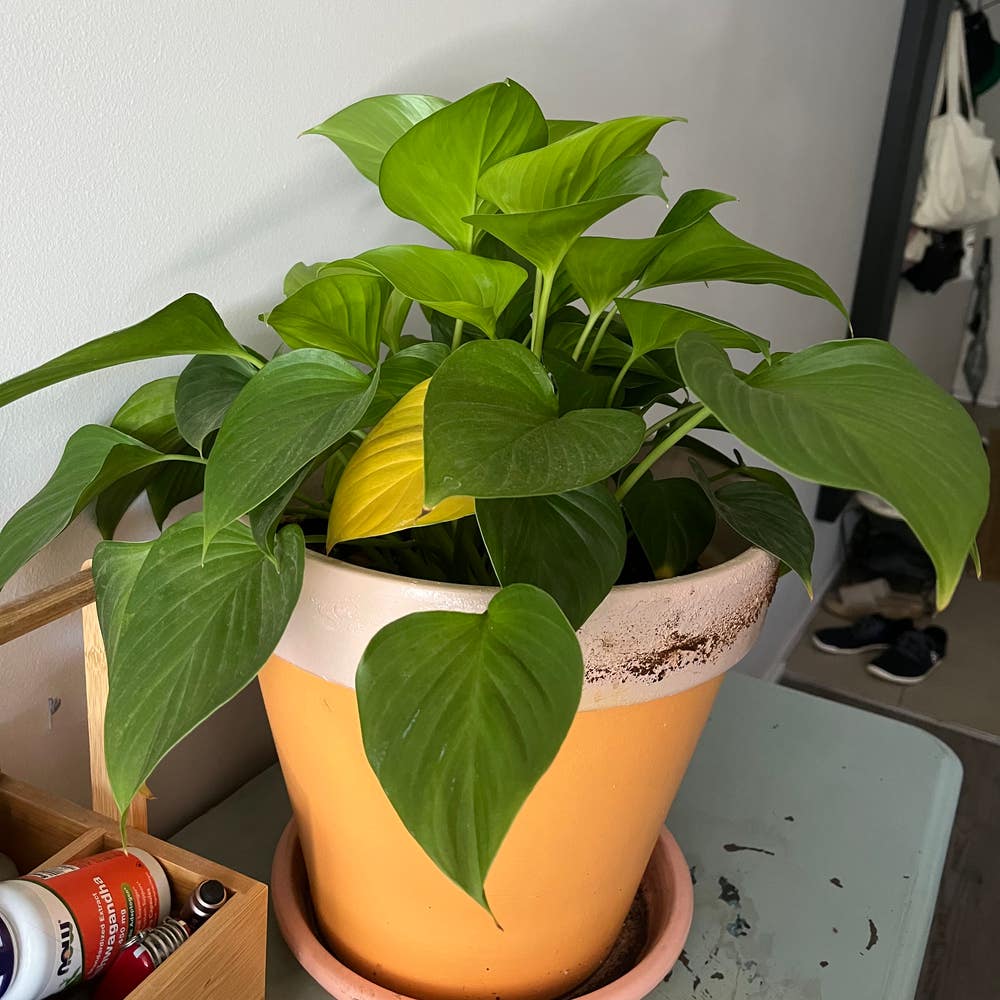
Choosing Fertilizer For My Homalomena aromatica
Homalomena aromatica
By the Greg Editorial Team
Apr 20, 2024•3 min read
This article was created with the help of AI so we can cover more plants for you. May contain errors. See one? Report it here.
Grow a lush Homalomena 🌿 with our perfect fertilizer picks and savvy application tips!
- Organic vs. Synthetic: Choose based on Homalomena aromatica's needs.
- Read Labels Carefully: Balanced N-P-K and essential micronutrients matter.
- Fertilize Wisely: Adjust amounts with seasons to prevent over-fertilization.
Picking the Perfect Fertilizer for Your Homalomena Aromatica
💩 Organic vs. Synthetic: Which Way to Go?
Organic fertilizers are the slow-release, soil-building marathon runners. They're your eco-friendly choice, nurturing the soil ecosystem and providing nutrients over time. Synthetic fertilizers, on the other hand, are the sprinters. They offer a rapid nutrient boost, ideal for that quick green-up. But beware, they can be harsh and lead to root burn if overused.
For Homalomena aromatica, consider organic options like a balanced liquid fish emulsion or a slow-release granular type. They're gentle and less likely to cause damage. If you're in the synthetic camp, look for a water-soluble, all-purpose plant food that can be easily adjusted to your plant's needs.
📊 Reading the Labels: N-P-K Ratios and Micronutrients
Deciphering fertilizer labels is crucial. Homalomena aromatica craves a balanced N-P-K ratio, think 20-20-20 or 10-10-10, diluted to half-strength. But don't overlook the micronutrients; they're the covert operatives ensuring your plant's vitality.
Micronutrients like iron, magnesium, and zinc play pivotal roles in plant health. A deficiency can lead to lackluster growth and dull foliage. When picking a fertilizer, opt for one with a comprehensive micronutrient profile, especially if your Homalomena aromatica is a diva about its diet.
Timing is Everything: When to Fertilize for Optimal Blooms
💡 Growing Season Guidelines
Spring is the starting gun for fertilizing Homalomena aromatica. Kick off with a nutrient boost as new growth appears. Continue this support through the summer, matching the plant's high energy needs.
🏜️ Winter Care: Dialing Back on Fertilizer
As the days shorten and temperatures drop, your Homalomena aromatica isn't exactly gearing up for a growth spurt. Reduce fertilization to avoid overwhelming your plant with nutrients it can't use. Think of winter as a time for the plant to binge-watch its favorite shows, not hit the gym.
Fertilizer Application: Doing it Right
💧 Mixing and Diluting Fertilizers
Dilution is your plant's best friend. Start by mixing liquid fertilizer to half-strength to avoid nutrient burn. Use precise measuring tools like a syringe for accuracy.
🌱 Application Methods
Apply the diluted fertilizer directly to the soil, steering clear of the leaves. Uniform application is crucial; think of it as evenly seasoning a dish. Wear gloves to protect your hands, especially with chemical fertilizers.
Remember, over-fertilization is the enemy. If you're using granular fertilizers, sprinkle evenly and water thoroughly. This helps nutrients disperse and prevents root burn.
For optimal uptake, ensure your potting mix has excellent drainage. This not only aids in preventing fertilizer burn but also avoids overwatering issues.
Lastly, always follow the package instructions for the right amount and frequency. Adjust based on your Homalomena aromatica's size, pot size, and growth stage.
Spotting Trouble: Over-Fertilization and Its Fixes
🚨 Recognizing the Signs in Homalomena Aromatica
Yellowing leaves or brown tips can signal distress from too much fertilizer. If your Homalomena aromatica's growth has stalled, or if you notice a white crust on the soil surface, it's time to take action. Over-fertilization symptoms are often immediate, so keep a watchful eye post-feeding.
🛠 Quick Fixes and Long-Term Solutions
First, remove any visible fertilizer from the soil. Flush the pot with water several times to dilute excess nutrients. If the problem persists, consider pruning damaged leaves to redirect the plant's energy to recovery. For severe cases, a soil swap might be necessary—either replace the top layer or repot entirely. Remember, moderation is key; reassess your fertilization strategy to prevent future issues.
⚠️ Safety First
This content is for general information and may contain errors, omissions, or outdated details. It is not medical, veterinary advice, or an endorsement of therapeutic claims.
Always consult a qualified healthcare professional before using any plant as food, medicine, or supplement.
Never eat any plant (or feed one to pets) without confirming its identity with at least two trusted sources.
If you suspect poisoning, call Poison Control (800) 222-1222, the Pet Poison Helpline (800) 213-6680, or your local emergency service immediately.
Spotted an error? Please report it here.
Boost your Homalomena aromatica's growth with precision 🌱 using Greg's tailored fertilization reminders, avoiding over or under-feeding for a thriving plant.