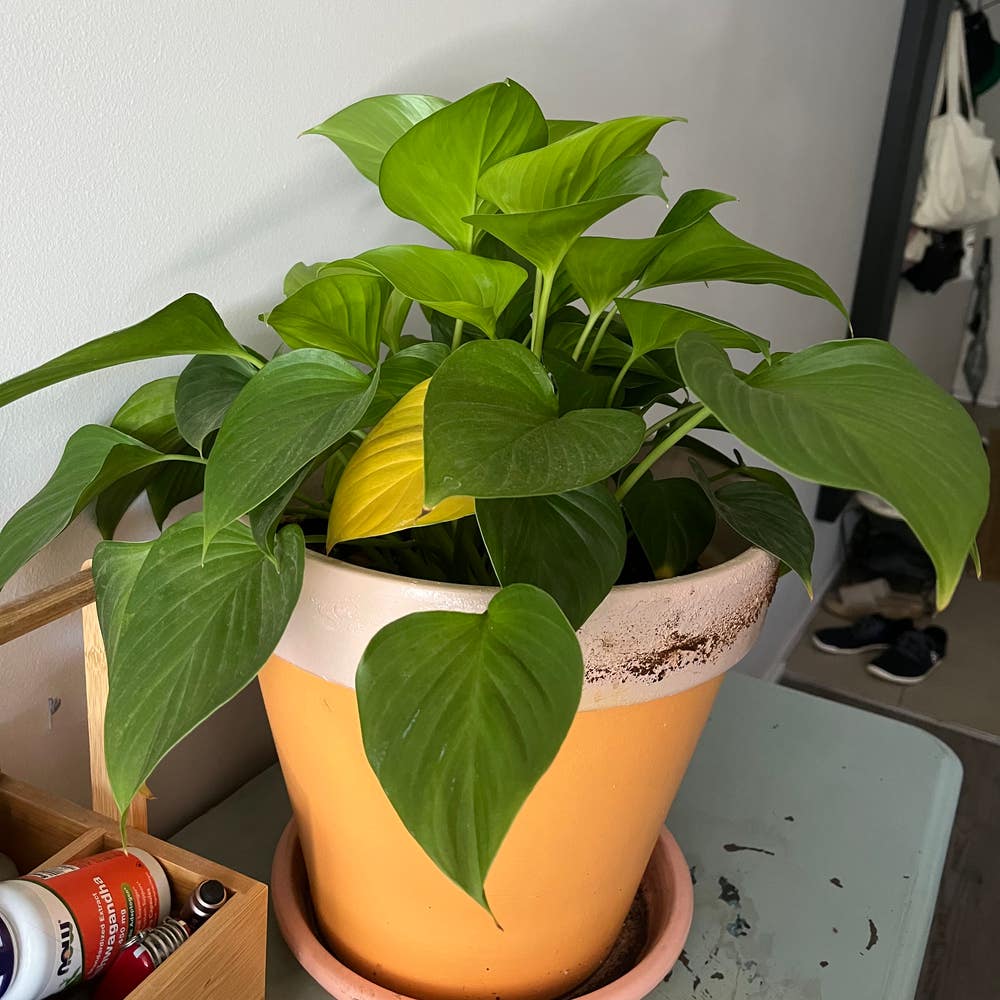
🌸 9 Facts About Scented Homalomena Pollination
Homalomena aromatica
By the Greg Editorial Team
Sep 30, 2024•5 min read
This article was created with the help of AI so we can cover more plants for you. May contain errors. See one? Report it here.
Discover how Scented Homalomena's pollination 🌼 can elevate your gardening game and nurture vital ecosystems!
- 🌼 Scented Homalomena can self-pollinate or cross-pollinate, depending on conditions and pollinators.
- 🐝 Bees are key pollinators, enhancing genetic diversity and fruit production.
- 🌿 Creating a pollinator-friendly environment boosts pollination success and plant health.
Self-Pollination vs. Cross-Pollination
🌼 Pollination Type
Scented Homalomena is fascinating because it can engage in both self-pollination and cross-pollination. The choice between these methods often hinges on environmental conditions and the availability of pollinators.
📈 Importance of Pollination
Pollination plays a crucial role in plant reproduction and genetic diversity. When successful, it leads to the production of fruit and seeds, ensuring the species continues to thrive.
Understanding these processes not only enhances our appreciation for these plants but also highlights the interconnectedness of ecosystems. As we delve deeper into the world of Scented Homalomena, we can see how vital pollination is for sustaining life.
Flower Structure
Description of Flower Parts 🌸
Scented Homalomena flowers are truly captivating. They feature inflorescences with a spadix, elegantly surrounded by a spathe.
The vibrant colors of these flowers are not just for show; they play a crucial role in attracting pollinators. The arrangement of petals, sepals, stamens, and pistils is meticulously designed to facilitate effective pollen transfer.
How Flower Structure Facilitates Pollination 🐝
The spathe is more than just a pretty face; it emits a delightful fragrance that lures in pollinators.
Meanwhile, the spadix serves as a handy platform, allowing pollinators easy access to both pollen and nectar, which significantly boosts the chances of successful pollination.
Understanding this structure helps us appreciate the intricate relationships between plants and their pollinators.
As we delve deeper into the natural pollination process, we’ll explore how these flowers interact with their environment and the creatures that visit them.
Natural Pollination Process
🌬️ Mechanisms of Pollen Transfer
Pollination in Scented Homalomena primarily occurs through the diligent efforts of visiting pollinators. These creatures transfer pollen from the stamens to the pistils, ensuring the plant's reproductive success.
While pollinators are the main players, wind and water can also contribute to this process, albeit to a lesser extent. Their roles are minor but can still aid in the movement of pollen.
🐝 Primary Pollinator Species
Understanding the key pollinators can enhance your appreciation for this plant's life cycle.
Bees
Bees are the stars of the show, drawn in by the plant's fragrance and nectar. They collect pollen while flitting from flower to flower, facilitating crucial cross-pollination.
Butterflies
Bright colors attract butterflies, which contribute to both self and cross-pollination. Their delicate presence adds a touch of beauty to the pollination process.
Moths
Active at night, moths play a vital role during the flowering season. They help ensure that pollination continues even when the sun goes down.
Hummingbirds
Hummingbirds are another fascinating pollinator, lured by the plant's nectar. Their rapid movements assist in cross-pollination, making them essential for genetic diversity.
The interplay between these pollinators creates a vibrant ecosystem around Scented Homalomena. Understanding this natural process not only enriches your gardening experience but also highlights the importance of supporting these vital species.
Next, we’ll explore hand pollination techniques, ensuring you can assist your plants when nature needs a little help.
Hand Pollination Techniques
Step-by-Step Instructions for Hand Pollination 🌼
Hand pollination can be a rewarding way to ensure your Scented Homalomena thrives. Here’s how to do it effectively:
Identify the flowering stage: Wait until the flowers are fully open. This is when they are most receptive to pollen.
Collect pollen: Use a small brush or cotton swab to gather pollen from the stamens. Be gentle to avoid damaging the delicate flower parts.
Transfer pollen: Gently apply the collected pollen to the pistils of the same or another flower. This step is crucial for successful fertilization.
Timing: Perform hand pollination during the early morning or late afternoon for optimal results. Pollinators are often more active during these times, enhancing your chances of success.
Identifying Male and Female Flower Parts 🔍
Understanding the anatomy of your Scented Homalomena is key to effective hand pollination.
Male parts: The stamens are located on the spadix and are responsible for producing pollen. These are your pollen sources.
Female parts: The pistils are found at the base of the spadix and receive the pollen. They are essential for fruit and seed development.
By mastering these techniques, you can actively contribute to the pollination process, ensuring your plant flourishes. Next, let’s explore how to support pollinators in your garden for even better results.
Supporting Pollinators
🌼 Creating a Pollinator-Friendly Environment
To support pollinators, start by planting a variety of flowering plants. This diversity attracts different species, ensuring a vibrant ecosystem.
Maintaining adequate moisture and shelter is also crucial. Pollinators thrive in environments where they can find food and refuge from harsh conditions.
🌸 Companion Plants to Attract Pollinators
Companion planting can significantly enhance pollinator activity. Consider adding lavender and marigolds to your garden.
These nectar-rich flowers not only attract bees and butterflies but also create a lively atmosphere. A well-planned garden can become a haven for these essential creatures, boosting your plant's pollination success.
By fostering a welcoming environment, you contribute to the health of local ecosystems and the success of your own plants. Next, let’s explore the challenges that can hinder successful pollination.
Pollination Challenges
Common Obstacles to Successful Pollination 🌧️
Pollination can be hindered by various environmental factors. Temperature fluctuations and humidity levels can significantly impact the activity of pollinators, making them less likely to visit flowers.
Additionally, the decline in pollinator populations poses a serious challenge. Urbanization and habitat loss have led to fewer bees, butterflies, and other essential pollinators, which can disrupt the natural pollination process.
Solutions for Overcoming Pollination Challenges 🌼
Creating a hospitable environment for pollinators is crucial. Planting a diverse range of flowering plants can attract various species, ensuring that pollinators have ample food sources.
When natural pollination falls short, hand pollination techniques can be a lifesaver. By manually transferring pollen, you can help ensure successful fertilization.
Lastly, it's important to monitor and adjust your care practices. Seasonal variations can affect pollination, so staying attuned to these changes will help you support your plants effectively.
By addressing these challenges, you can foster a thriving ecosystem for your scented Homalomena and its pollinators. This proactive approach not only enhances plant health but also contributes to the broader environmental balance.
⚠️ Safety First
This content is for general information and may contain errors, omissions, or outdated details. It is not medical, veterinary advice, or an endorsement of therapeutic claims.
Always consult a qualified healthcare professional before using any plant as food, medicine, or supplement.
Never eat any plant (or feed one to pets) without confirming its identity with at least two trusted sources.
If you suspect poisoning, call Poison Control (800) 222-1222, the Pet Poison Helpline (800) 213-6680, or your local emergency service immediately.
Spotted an error? Please report it here.
Dive into the buzzing world of Scented Homalomena pollination 🐝 and let Greg guide you with tailored tips to create a pollinator-friendly haven that ensures your plants thrive!