🌸 Scented Homalomena Is a Garden Plant, Not a Weed
Homalomena aromatica
By the Greg Editorial Team
Sep 30, 2024•6 min read
This article was created with the help of AI so we can cover more plants for you. May contain errors. See one? Report it here.
Transform your garden with Scented Homalomena 🌱—a stunning, non-invasive plant that supports local ecosystems beautifully!
- 🌱 Scented Homalomena is a non-invasive plant, enhancing gardens without disrupting ecosystems.
- 🌿 It thrives in shade and humidity, making it perfect for low-light areas.
- 🦋 Supports biodiversity by attracting beneficial insects and providing wildlife habitat.
Plant Classification
Definition of Invasive Species 🌿
Invasive species are plants that can wreak havoc on local ecosystems. They typically exhibit rapid growth and spread, displacing native species and negatively impacting biodiversity.
Key characteristics of invasive plants include:
- Rapid Growth and Spread: They can quickly take over an area.
- Displacement of Native Species: They outcompete local flora for resources.
- Negative Impact on Local Ecosystems: They disrupt the balance of the environment.
Characteristics of Scented Homalomena that Prevent Invasiveness 🌸
Scented Homalomena stands out as a non-invasive option for gardens. Its growth habits are slow and controllable, making it easy to manage.
This plant has limited spread potential, thriving primarily in shaded areas. It prefers well-draining, rich soil, which restricts aggressive colonization and keeps it in check.
In summary, Scented Homalomena's unique characteristics make it a safe choice for gardeners looking to enhance their landscapes without the worry of invasiveness.
Next, we’ll explore its growth habits and how they contribute to its appeal in garden settings.
Growth Habits
Typical Growth Patterns in Gardens 🌱
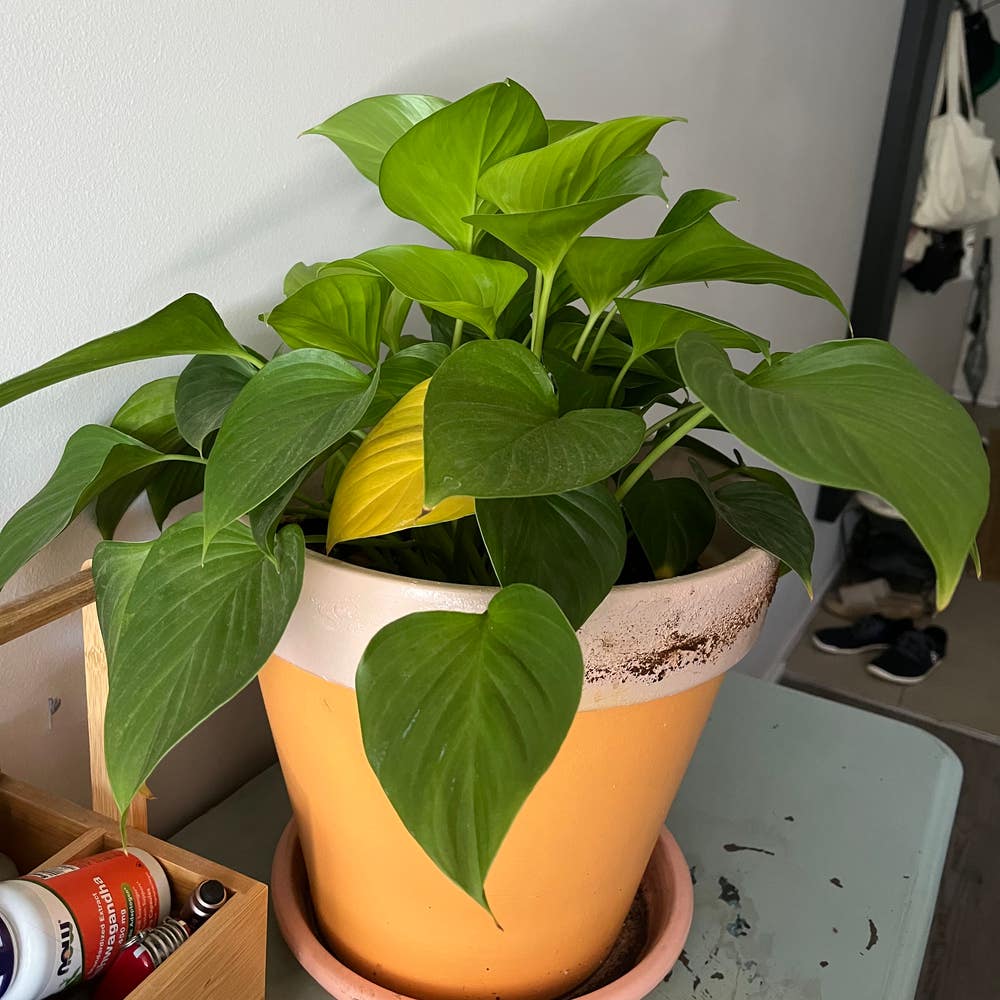
Scented Homalomena exhibits a clumping growth form, typically reaching heights of 1 to 3 feet. Its heart-shaped, glossy leaves create a lush appearance, making it a striking addition to any garden.
Ideal Conditions for Growth ☁️
This plant thrives in shaded areas with high humidity, making it perfect for those tricky spots where sunlight is scarce. Its preference for these conditions ensures it remains a manageable and attractive option for garden enthusiasts.
Natural Limits to Growth and Spread Potential 🚧
One of the standout features of Scented Homalomena is its slow growth rate, which allows for easy expansion control. This characteristic means you won’t find it taking over your garden anytime soon.
Environmental Preferences 🌍
The plant requires specific conditions—humidity and shade—to flourish optimally. This limitation effectively curbs its spread in non-tropical regions, making it a safe choice for diverse gardening environments.
With its unique growth habits and environmental preferences, Scented Homalomena stands out as a non-invasive option for gardeners. Next, let’s explore its ecological role and the benefits it brings to local ecosystems.
Ecological Role
Benefits to Local Ecosystems 🌼
Scented Homalomena plays a vital role in attracting beneficial insects. Pollinators and predatory species flock to its lush foliage, creating a vibrant ecosystem.
Additionally, this plant contributes to soil health through the decomposition of its leaf litter. As the leaves break down, they enrich the soil, promoting a thriving environment for other plants.
Positive Interactions with Wildlife and Other Plants 🦜
This plant provides essential habitat and food sources for local fauna. Birds and small mammals find refuge among its leaves, fostering a diverse wildlife community.
Moreover, Scented Homalomena is compatible with other shade-loving plants. By enhancing biodiversity, it creates a more resilient garden ecosystem, making it a fantastic choice for any green space.
Incorporating Scented Homalomena into your garden not only beautifies the area but also supports the local environment. Next, let’s explore how to effectively manage and incorporate this plant into your garden design.
Garden Management
Effective Incorporation into Garden Designs 🌿
Scented Homalomena thrives in shaded areas, making it an excellent choice for underplanting. It can also serve as a stunning border or ground cover, adding lush greenery to your garden.
For a visually appealing design, combine Scented Homalomena with contrasting foliage plants. The glossy, heart-shaped leaves create a vibrant backdrop, enhancing the overall aesthetic of your garden space.
Growth Control Methods for Aesthetic Purposes ✂️
To maintain the desired size and shape of your Scented Homalomena, regular pruning is essential. This simple technique helps keep the plant looking tidy and encourages healthy growth.
Additionally, keep an eye on its spread in garden beds. Regular monitoring ensures that it remains a charming addition without becoming overwhelming.
Incorporating Scented Homalomena into your garden not only beautifies your space but also supports a healthy ecosystem. With thoughtful management, you can enjoy its unique qualities while maintaining a harmonious garden environment.
As we explore the ecological role of Scented Homalomena, we’ll see how it contributes to local biodiversity and interacts with surrounding wildlife.
Comparison to Other Plants
🌱 Similar Non-Invasive Plants
When considering non-invasive tropical houseplants, Scented Homalomena stands out alongside popular choices like the Peace Lily and Philodendron. While all three thrive in similar environments, their growth habits and care requirements differ significantly.
Peace Lilies tend to grow taller, reaching up to 4 feet, and require more frequent watering. In contrast, Philodendrons can spread aggressively if not managed, making them less ideal for smaller spaces. Scented Homalomena, however, maintains a compact clumping form, typically growing between 1 to 3 feet, making it a perfect fit for cozy garden corners.
🌟 Unique Qualities of Scented Homalomena
What truly sets Scented Homalomena apart is its distinctive scent and heart-shaped, glossy leaves. This unique aroma adds an extra layer of sensory delight to any garden space.
Additionally, Scented Homalomena is adaptable to various soil types, though it thrives best in rich, well-draining conditions. This flexibility allows gardeners to incorporate it into diverse landscapes without worrying about aggressive colonization, making it a responsible choice for sustainable gardening.
As we explore the ecological role of Scented Homalomena, you'll see how it contributes positively to local ecosystems and enhances biodiversity.
Legal and Environmental Considerations
Relevant Classifications and Guidelines 🌱
When considering planting Scented Homalomena, it's essential to check local regulations. Some areas may have specific guidelines to ensure that non-invasive plants are promoted in gardens.
Understanding these regulations helps gardeners make informed choices. It also supports local ecosystems by preventing the introduction of potentially harmful species.
Role in Sustainable Gardening Practices 🌍
Scented Homalomena plays a vital role in promoting biodiversity. By incorporating this plant into your garden, you contribute to a healthier ecosystem.
Selecting non-invasive plants like Scented Homalomena is crucial for responsible garden management. It ensures that your gardening efforts support local wildlife and maintain ecological balance.
Incorporating such plants not only enhances your garden's beauty but also fosters a thriving environment. This approach reflects a commitment to sustainability and ecological health, making your gardening experience even more rewarding.
As we explore the next section, let's delve into how Scented Homalomena compares to other plants in the garden.
⚠️ Safety First
This content is for general information and may contain errors, omissions, or outdated details. It is not medical, veterinary advice, or an endorsement of therapeutic claims.
Always consult a qualified healthcare professional before using any plant as food, medicine, or supplement.
Never eat any plant (or feed one to pets) without confirming its identity with at least two trusted sources.
If you suspect poisoning, call Poison Control (800) 222-1222, the Pet Poison Helpline (800) 213-6680, or your local emergency service immediately.
Spotted an error? Please report it here.
Transform your garden with the non-invasive charm of Scented Homalomena 🌿, and let Greg provide personalized care tips to help your plants thrive sustainably!