Best Tips for Healthy Scented Homalomena Roots 🥕
Homalomena aromatica
By the Greg Editorial Team
Sep 30, 2024•6 min read
This article was created with the help of AI so we can cover more plants for you. May contain errors. See one? Report it here.
Master your Homalomena's root system for vibrant growth and thriving plants! 🌱🌿
- 🌱 Homalomena roots store nutrients and reproduce vegetatively, thriving in warm, humid conditions.
- 💧 Prevent root rot by allowing soil to dry out before watering; use a moisture meter.
- 🌿 Healthy roots are firm and light-colored; check regularly to avoid stunted growth.
Root System Type
Rhizomatous Roots 🌱
Rhizomatous roots are fascinating structures that serve as horizontal underground stems. They not only store nutrients but also facilitate vegetative reproduction, allowing plants to thrive in various environments.
Characteristics of Rhizomatous Roots 📏
These roots have a shallow yet extensive spread, which is crucial for efficient nutrient and water uptake. Their adaptation to tropical environments significantly influences their moisture retention and soil requirements, making them well-suited for humid conditions.
Unique Varieties 🌈
Different varieties of Homalomena exhibit unique root characteristics. This diversity can affect how each type interacts with its environment, influencing care practices and growth patterns. Understanding these nuances can help you provide the best care for your plant.
With a solid grasp of rhizomatous roots, you're better equipped to nurture your Homalomena. Next, let’s explore the typical root depth, spread, and growth patterns to further enhance your plant care knowledge.
Root Depth, Spread, and Growth Patterns
Typical Root Depth and Spread 🌱
The average root depth of Homalomena plants ranges from 6 to 12 inches, influenced by pot size and soil conditions. In optimal environments, roots can spread horizontally up to 2 feet in diameter, allowing for efficient nutrient and water uptake.
Growth Patterns and Their Implications for Care 🌿
Homalomena roots thrive in warm, humid conditions, growing rapidly during these times. However, their shallow nature makes them sensitive to overwatering, leading to root rot if not monitored closely.
To ensure healthy growth, it's crucial to use well-draining soil and regularly check soil moisture levels. This proactive approach helps maintain the balance between hydration and aeration, promoting robust root health.
Understanding these growth patterns is essential for effective care, setting the stage for a thriving plant. Next, we'll explore how the root system influences watering frequency and methods, ensuring your Homalomena stays healthy and vibrant.
Watering, Fertilizing, and Transplanting
🌊 How the Root System Affects Watering Frequency and Methods
Proper watering is crucial for the health of your Homalomena roots. Allow the top inch of soil to dry out between waterings to prevent over-saturation.
Using a moisture meter can provide accurate readings, ensuring you water only when necessary. This helps maintain the delicate balance your plant needs.
🌱 Fertilization Techniques Tailored to Root Health
Fertilization plays a vital role in supporting root health. A balanced NPK formula is recommended during the growing season to provide essential nutrients.
Apply fertilizer monthly while the plant is actively growing, but reduce frequency in winter when growth slows. This approach keeps your roots nourished without overwhelming them.
🌼 Best Practices for Transplanting
Transplanting is an opportunity to refresh your plant's environment. The best time to transplant is in spring when the plant is actively growing.
Follow these steps for a successful transplant:
- Prepare a new pot with fresh, well-draining soil.
- Gently remove the plant, taking care not to damage the roots.
- Place it in the new pot, ensuring roots are spread out.
- Water thoroughly after transplanting to help settle the soil.
By following these practices, you can ensure your Homalomena thrives in its new home. This sets the stage for healthy growth and prepares the plant for the next stage of care.
Common Root-Related Issues
🦠 Identifying Root Rot and Other Diseases
Root rot can sneak up on you, often presenting symptoms like wilting, even when you're diligent about watering. If you inspect the roots and find them dark and mushy, it’s a clear sign that trouble is brewing below the surface.
🛠️ Solutions for Preventing Root Problems
To keep your Homalomena thriving, start by using pots with drainage holes. This simple step helps prevent water from pooling, which can lead to root rot.
Avoid overwatering by allowing the top inch of soil to dry out between waterings. A moisture meter can be a handy tool for ensuring you're not drowning your plant.
Regularly inspect the roots during repotting to catch any issues early. This proactive approach can save your plant from serious root problems down the line.
By staying vigilant and following these preventive measures, you can maintain a healthy root system and enjoy a flourishing Homalomena. Next, let’s explore how to identify indicators of root health to ensure your plant remains vibrant and strong.
Indicators of Root Health
🌱 Visual Cues of Healthy vs. Unhealthy Roots
Healthy roots are a gardener's pride. They should feel firm and display a white or light tan color, signaling vitality.
In contrast, unhealthy roots tell a different story. A dark, mushy texture and a foul smell indicate decay, which is a red flag for any plant enthusiast.
🔍 Other Indicators of Root Health
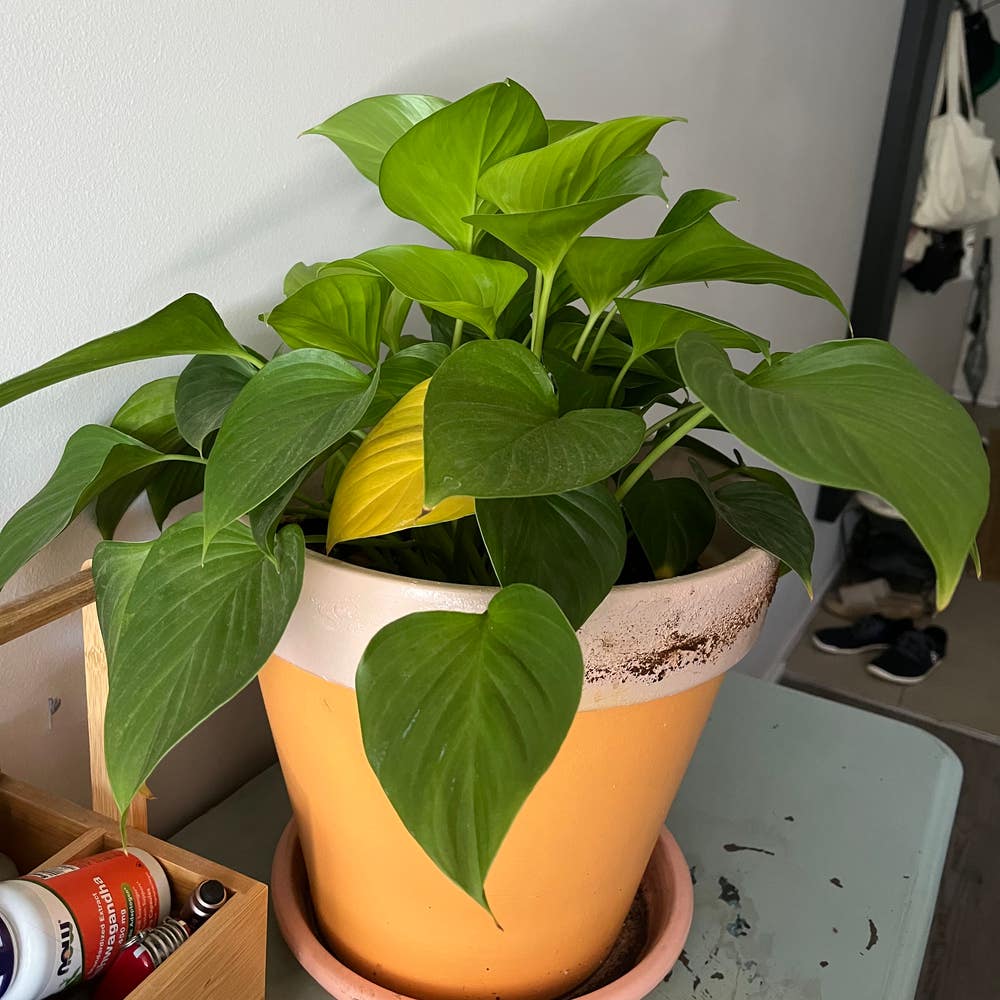
Beyond the roots, the overall plant appearance matters. Stunted growth or yellowing leaves often point to underlying root issues.
Conversely, vibrant green leaves are a sign of healthy roots at work. Keeping an eye on these indicators can help you maintain a thriving homalomena.
Understanding these signs will empower you to take action before problems escalate. With a little attention, your plant can flourish beautifully.
Rootbound Plants
Definition and Signs of Rootbound Conditions 🌱
A rootbound plant occurs when its roots have completely filled the pot, leading to restricted growth. You can spot this condition if you see roots growing out of the drainage holes or if the plant exhibits stunted growth and wilting, even with proper care.
When and How to Address Rootbound Issues 🔧
To keep your plant thriving, check for rootbound conditions during regular repotting intervals, typically every 1-2 years.
Solutions:
- Repot into a larger container: This gives the roots more space to grow.
- Trim excessively long roots if necessary: This helps rejuvenate the plant.
- Refresh the soil: Providing new nutrients is crucial for recovery.
By addressing rootbound issues promptly, you can ensure your Homalomena continues to flourish. Next, let’s explore how to propagate and divide your plants effectively.
Propagation and Division
Importance of Root Health in Propagation 🌱
Healthy roots are the backbone of successful propagation and division. Without robust roots, new plants struggle to thrive, making it crucial to focus on root health during this process.
Techniques for Dividing and Propagating ✂️
To effectively divide your Homalomena, follow these steps:
- Carefully remove the plant from its pot, taking care not to damage the roots.
- Separate the rhizomes, ensuring each section has roots attached. This is vital for the new plants to establish themselves.
- Replant in separate pots filled with fresh, well-draining soil to give them a strong start.
Propagation Tips 🌿
To encourage healthy root growth in your new plants, maintain a warm and humid environment. This will help them adapt and flourish in their new homes.
By focusing on root health and employing these techniques, you can successfully propagate your Homalomena and enjoy a thriving collection of plants. Next, let’s explore how to identify and address root-related issues to keep your plants in top shape.
⚠️ Safety First
This content is for general information and may contain errors, omissions, or outdated details. It is not medical, veterinary advice, or an endorsement of therapeutic claims.
Always consult a qualified healthcare professional before using any plant as food, medicine, or supplement.
Never eat any plant (or feed one to pets) without confirming its identity with at least two trusted sources.
If you suspect poisoning, call Poison Control (800) 222-1222, the Pet Poison Helpline (800) 213-6680, or your local emergency service immediately.
Spotted an error? Please report it here.
Cultivating a thriving Homalomena 🌿 is easy with Greg's personalized watering reminders, ensuring your roots stay healthy and your plant collection flourishes!