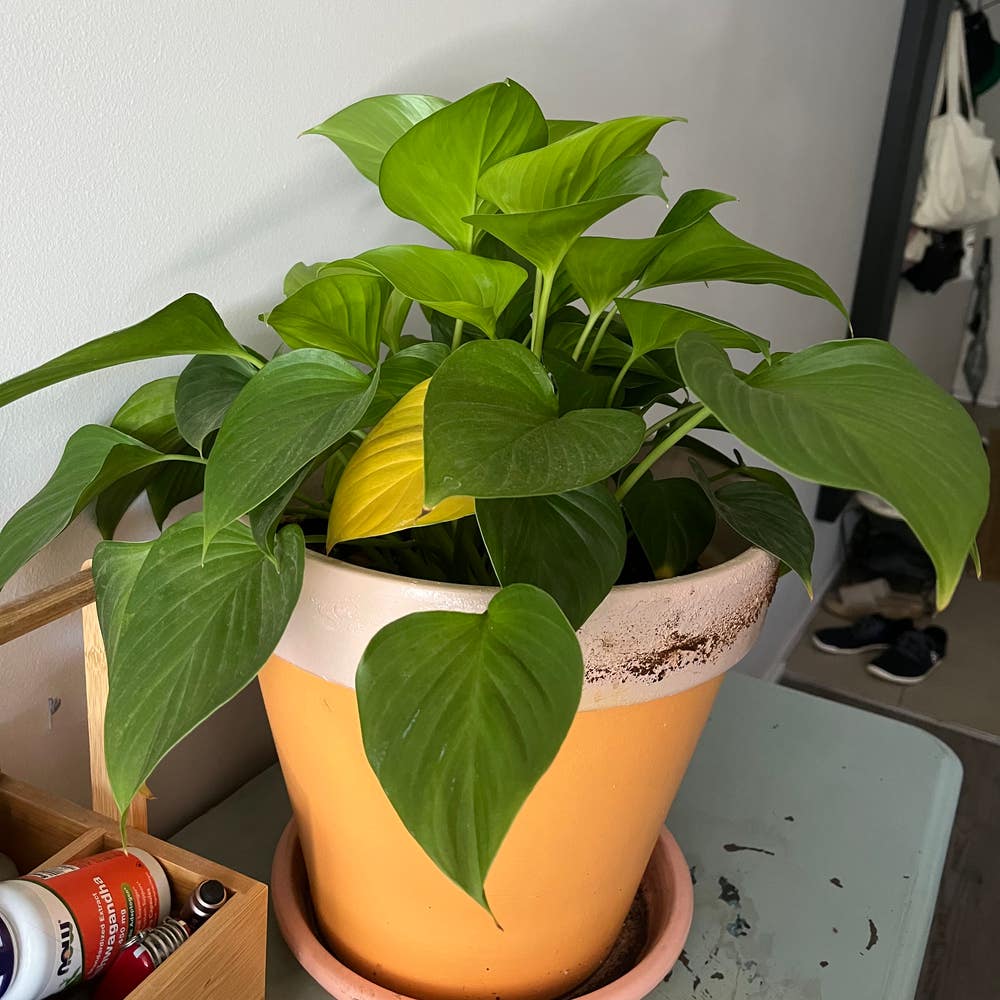
Should I Repot My Homalomena aromatica?
Homalomena aromatica
By the Greg Editorial Team
Apr 20, 2024•4 min read
This article was created with the help of AI so we can cover more plants for you. May contain errors. See one? Report it here.
Discover the secret to a lush Homalomena 🌿—learn when and how to repot for unstoppable growth!
- Root crowding and slow drainage signal it's repot time.
- 🌱 Spring repotting promotes optimal Homalomena growth.
- Choose the right pot and soil for a healthy transition.
When Your Homalomena Says "New Home, Please"
🌱 Spotting the Telltale Signs
Root crowding: When your Homalomena's roots are staging a breakout through the drainage holes, it's not just being quirky. It's a distress call.
Sluggish drainage: If water is more of a slowpoke than a sprinter when passing through the soil, take it as a sign. Your plant's not just being dramatic; it's telling you something's off.
Growth halt: A Homalomena that's stopped producing new leaves isn't on a break. It's a subtle hint that it's feeling cramped and needs more space.
🕰 Timing is Everything
The best time to repot your Homalomena aromatica is spring. It's like the plant's version of spring cleaning—a fresh start when it's most ready to grow. Avoid winter; it's the plant equivalent of moving houses during a blizzard. Not ideal.
The Repotting Rodeo: Step by Step
💧 Prepping Your Plant
Watering your Homalomena aromatica lightly the day before repotting makes the roots more cooperative. When it's time to unpot, lay the plant on its side and gently coax it out. Don't be shy—inspect the root ball for dead roots or pests and trim if needed.
Before the plant goes into its new home, swap out the old soil for a nutrient-rich mix. A fresh start with fresh soil means a happier plant.
🌱 The Main Event: Repotting
Root care during repotting is like a trust fall; handle with love and untangle gently. Snip away any dead or excessively long roots, but remember, the living ones are VIPs—treat them with care.
Settling in your Homalomena requires ensuring a snug fit in its new pot. Position it at the same depth as before to avoid any high-rise or basement living situations. Fill in with more mix, tap the pot to settle, and water thoroughly to welcome it to its new digs.
Picking the Perfect Pot
🏺 Material Matters
Terracotta, plastic, and ceramic each bring their own flair to the potting party. Terracotta is the breathable option, letting roots and soil chill out, but it's hefty—no good for the frequent re-arranger. Plastic is the featherweight champion, locking in moisture like a vault, which is perfect for the forgetful waterers but a potential swamp for the overzealous. Ceramic pots are the stylish middleweights; just ensure they come with drainage holes to avoid unwanted root soaks.
Size and Drainage
When sizing up, think moderation. A pot that's 1-2 inches larger in diameter than the old one is the sweet spot—roomy without being an Olympic pool for excess water. Drainage holes aren't just a feature; they're the lifeline of your Homalomena, non-negotiable for keeping those roots rot-free. Remember, a pot too deep is a soggy trap for a plant that prefers its soil just right.
The Ideal Soil Situation
🌱 The Right Mix
Homalomena aromatica has specific needs when it comes to its potting mix. A well-draining, nutrient-rich substrate is non-negotiable. Airflow is crucial for the roots, so incorporating perlite or bark into your mix isn't just a good idea—it's essential. Soilless mixes often trump garden-variety potting soil, providing the lightness and drainage these plants crave.
💧 pH and Nutrients
pH levels can make or break your Homalomena's growth. Aim for a slightly acidic to neutral range, between 6.0 and 7.0, to optimize nutrient uptake. It's the plant's comfort zone. Adjusting pH might seem like a high-wire act, but it's straightforward with the right amendments. To increase pH, limestone is your ally; to decrease it, sulfur is your friend. Remember, the goal is to mimic the plant's natural habitat, balancing moisture retention and aeration for a happy Homalomena.
Post-Repotting Care: The First Few Weeks
💧 Immediate Aftercare
Watering Wisdom
After repotting, water management is crucial. Initially, keep the soil moist but not waterlogged. Overwatering can lead to root rot, while underwatering is neglectful. Aim for a perfect moisture balance.
Light and Location
Keep your Homalomena aromatica in bright, indirect light, similar to its previous environment, to prevent stress. Avoid direct sunlight to prevent leaf burn. Find that sweet spot where your plant can bask in the glow without the scorch.
Monitoring and Adjusting
Signs of a Happy Transition
New growth is your plant's way of giving you a high-five. If you see browning, it's a red flag. Adjust the light and water, but no direct sunlight—it's not auditioning for a sun-tan commercial.
The Watchful Eye
Act like a plant sleuth. Keep a lookout for fungal gate-crashers, especially in more humid conditions. If you spot trouble, ease up on the watering and consider a fungicide as a last resort. Remember, patience wins the race; your Homalomena won't perk up overnight, but with the right care, it'll be back to its lush self in no time.
⚠️ Safety First
This content is for general information and may contain errors, omissions, or outdated details. It is not medical, veterinary advice, or an endorsement of therapeutic claims.
Always consult a qualified healthcare professional before using any plant as food, medicine, or supplement.
Never eat any plant (or feed one to pets) without confirming its identity with at least two trusted sources.
If you suspect poisoning, call Poison Control (800) 222-1222, the Pet Poison Helpline (800) 213-6680, or your local emergency service immediately.
Spotted an error? Please report it here.
With Greg's custom care plans 🌱, confidently repot your Homalomena aromatica and watch it flourish with the right reminders and tips from these essential guidelines!