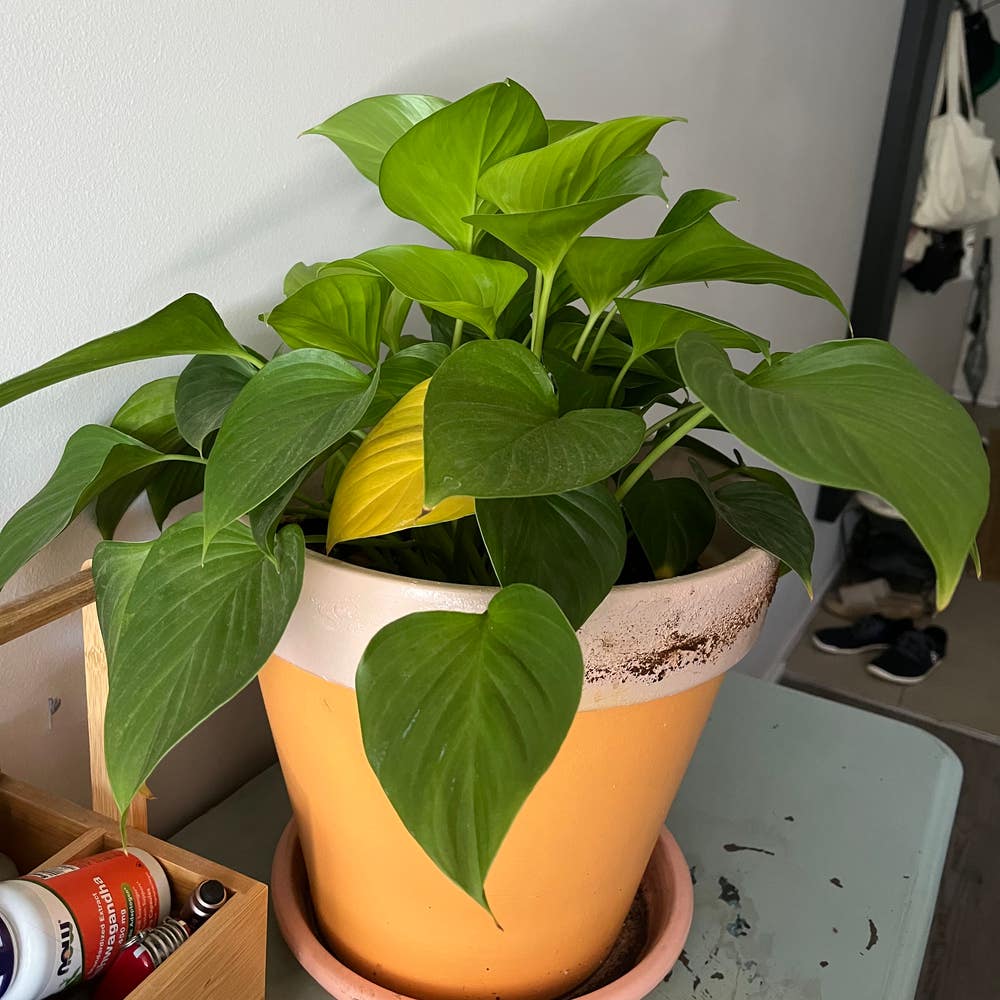
Common Homalomena aromatica Problems
Homalomena aromatica
By the Greg Editorial Team
Apr 20, 2024•4 min read
This article was created with the help of AI so we can cover more plants for you. May contain errors. See one? Report it here.
Safeguard your Homalomena's health by mastering solutions to its typical troubles, from root rot to pests! 🌱🛡️
- Over-watering causes root rot: Look for yellow leaves and mushy stems.
- 🌱 Under-watering symptoms: Drooping leaves and dry tips signal thirst.
- 🌞🌡️ Light and temperature: Pale, browning leaves mean adjustments needed.
Water Woes: Too Much, Too Little, Just Right
💧 Over-watering and Root Rot
Yellow leaves and mushy stems are the plant's cry for help. Over-watering is a common misstep that can lead to root rot, a serious issue that can be fatal if not addressed quickly.
🚨 Spotting the Signs
Look for leaves that have lost their vigor, turning a sickly yellow. Stems may feel soft and lack their usual firmness. If the soil clings to your fingers like wet clay, it's a sign you've been too generous with the watering can.
Drying Out: Rescue Steps
- Cease watering immediately to let the soil dry.
- If root rot is present, trim damaged roots carefully.
- Reassess your watering routine; observe and adapt to your plant's needs.
🏜️ Under-watering
Drooping leaves and dry tips are your Homalomena aromatica's way of saying it's parched. Under-watering can be just as harmful as over-watering, leaving your plant dehydrated and stressed.
🕵️♂️ Catching the Clues
Notice if the leaves seem to sag with a lack of energy or if the soil feels bone-dry. These are clear indicators that your plant is thirsty and in need of a drink.
💦 Quenching the Thirst: Proper Hydration
- Check the soil before watering; it should be dry an inch down.
- When watering, do so thoroughly, ensuring moisture reaches the roots.
- Establish a consistent watering schedule, but always verify soil moisture first.
Light and Temperature: Finding the Sweet Spot
⚠️ Irregular Light Exposure
Identifying the Problem
Pale leaves and leggy growth are your Homalomena aromatica's cry for help. It's stretching for more light, a clear sign it's not getting enough.
Adjusting Light Exposure
Bright, indirect light is the sweet spot. Rotate your plant to prevent it from reaching and ensure even growth. If your space lacks natural light, consider a grow light.
🌡️ Temperature Tantrums
Recognizing Temperature Stress
Browning leaves and stunted growth are not just aesthetic issues; they're symptoms of a plant in a temperature crisis. Too hot or too cold, and your plant will let you know.
Stabilizing Plant Climate
Keep your Homalomena aromatica in a consistent temperature range. Avoid placing it near drafty windows or air vents. If you notice temperature-related stress, adjust your plant's position to somewhere more temperate.
Uninvited Guests: Tackling Pests and Diseases
🐛 Pest Infestations
Spotting the Invaders
Visible bugs and leaf damage are the red flags of pest infestation. Mealybugs masquerade as tiny cotton swabs, spider mites spin fine webs, and aphids stick around like unwanted party guests. Regular leaf inspections are your best defense.
Eviction Notice
When pests crash the party, it's time for an immediate eviction. Start with natural remedies like neem oil and insecticidal soaps. If they're stubborn, chemical treatments may be necessary. Always isolate infested plants to prevent a full-blown infestation.
🍄 Fungal Foes and Mold
Signs of Sickness
Spotty leaves and a musty odor signal a fungal or mold issue. Black spots or fuzzy growths are the telltale signs of these stealthy invaders. They thrive in stagnant air and excess moisture, so keep an eye out.
Clearing the Air
Combat mold and fungus by improving air circulation and reducing moisture. Remove affected areas with sterilized scissors and consider fungicides if needed. Prevention is key—ensure good airflow and keep foliage dry to stop these silent crashers from returning.
Environmental Stress: Avoiding Leaf Scorch and Other Strains
🌞 Leaf Scorching
Recognizing the burn: Crispy patches on foliage are a dead giveaway that your Homalomena aromatica has had a bit too much sun. It's like the plant's version of a nasty sunburn, except sunscreen isn't an option here.
Shading from scorch: To protect your green buddy, ensure it's not basking in the sun's full glory. Use sheer curtains or relocate to a spot with gentler, indirect light. Think of it as giving your plant a pair of sunglasses.
💨 Other Environmental Stresses
Common symptoms of environmental stress include a variety of unhappy plant signals. Droopy leaves? Check. Browning edges? Check. General look of despair? Double-check.
Easing the strain: Keep your Homalomena aromatica away from drafty windows and air vents. Ensure the humidity is just right—not too muggy, not too dry. It's all about creating a chill lounge for your plant to kick back and relax.
⚠️ Safety First
This content is for general information and may contain errors, omissions, or outdated details. It is not medical, veterinary advice, or an endorsement of therapeutic claims.
Always consult a qualified healthcare professional before using any plant as food, medicine, or supplement.
Never eat any plant (or feed one to pets) without confirming its identity with at least two trusted sources.
If you suspect poisoning, call Poison Control (800) 222-1222, the Pet Poison Helpline (800) 213-6680, or your local emergency service immediately.
Spotted an error? Please report it here.
Avoid the stress of common Homalomena aromatica issues and ensure it's flourishing 🌿 with Greg's tailored reminders for watering and light conditions.