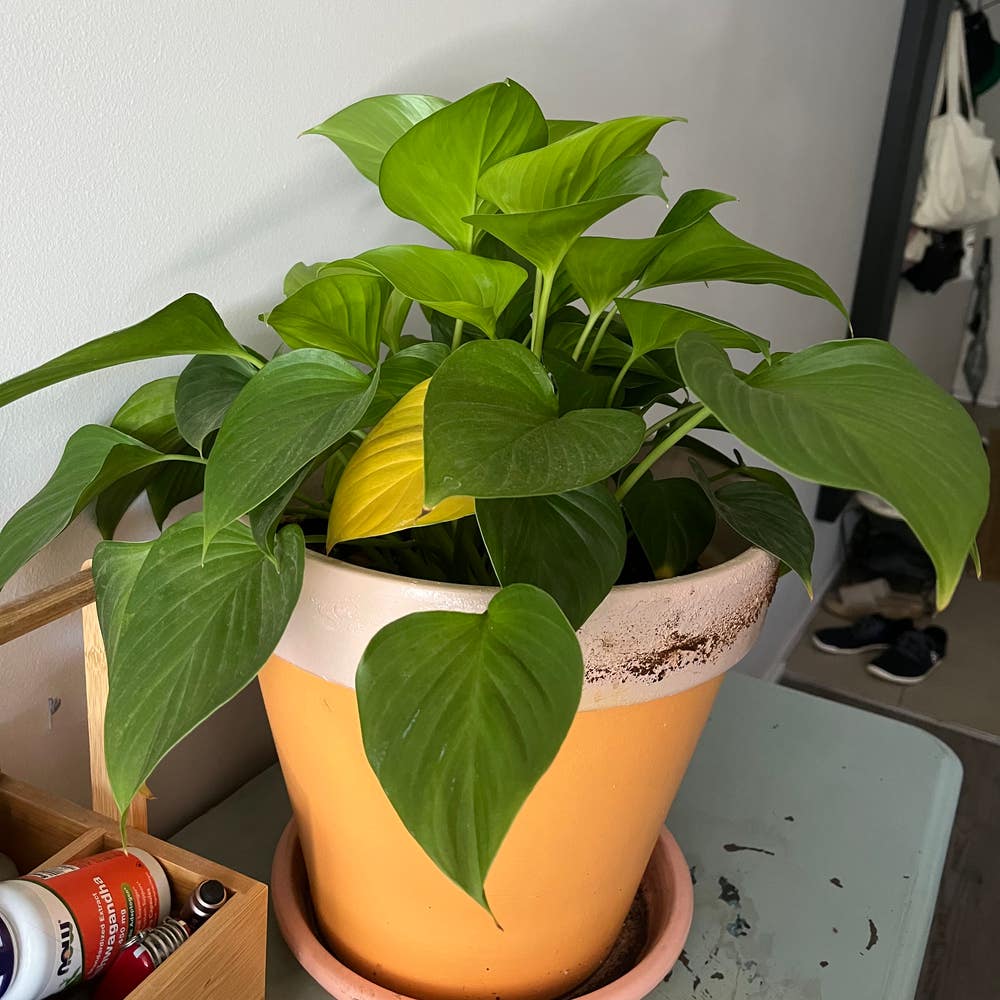
How Much Sunlight For Your Homalomena aromatica
Homalomena aromatica
By the Greg Editorial Team
Apr 20, 2024•4 min read
This article was created with the help of AI so we can cover more plants for you. May contain errors. See one? Report it here.
Nurture a lush Homalomena aromatica 🌿 by hitting the sweet spot of sunlight for vibrant growth and rare blooms! ☀️
- 🌞 Morning sun and afternoon shade keep Homalomena aromatica happy.
- 🏡 East or north-facing windows are best for indoor light.
- 💡 Adjust light seasonally for growth and potential blooms.
Basking in the Right Outdoor Light
🌞 Finding the Sweet Spot for Sunlight
Homalomena aromatica thrives in that goldilocks zone of sunlight—not too much, not too little. Morning sunlight is your best bet, offering the warmth and brightness these plants crave without the intense heat of the afternoon. It's like a gentle wake-up call rather than a blaring alarm.
🛡️ Protecting from Too Much of a Good Thing
Even plants can have too much fun in the sun. To prevent your Homalomena aromatica from getting a sunburn, afternoon shade is crucial. Think of it as sunscreen for your green buddy. If natural shade is scarce, a sheer curtain or a strategically placed umbrella can act as a protective barrier against the harsh midday rays. Rotate your plant periodically to ensure it gets even exposure without overdoing it. This isn't just pampering; it's essential plant care.
Setting Up the Perfect Indoor Light Oasis
🌅 Window Wisdom: Where to Place Your Plant
Finding the optimal spot for your Homalomena aromatica indoors hinges on the delicate dance of light. East-facing windows hit the jackpot, bathing your plant in a gentle morning glow without the scorch. West-facing windows can work, but beware the afternoon's intense spotlight.
North-facing windows are the introverts of the window world, offering a consistent, soft light that won't overwhelm your plant. South-facing windows? They're the life of the party, but the party can get too wild—use sheer curtains as your plant's shades to soften the blow.
💡 When Natural Light Isn't Enough: The Grow Light Solution
Sometimes, your indoor lighting is more dungeon than daylight. Enter grow lights, the knights in shining armor for your Homalomena aromatica. Full-spectrum bulbs are your best bet, covering all the light wavelengths your plant could ever want.
Timing is everything—set these lights on a timer to mimic the sun's natural rhythm. And remember, moving your plant closer to a window or light source is a gradual dance, not a rush-hour shove. Ease them into their new spotlight to avoid a melodramatic wilt.
Decoding Light Needs for Lush Growth
💡 Understanding Light Intensity and Duration
Homalomena aromatica thrives in bright, indirect light. It's adaptable, sure, but don't push your luck with dim corners. Daily light should be consistent—aim for about 12 hours of quality light. Too little, and you'll see it in the slow growth; too much, and hello, leaf burn!
🌞 Seasonal Adjustments to Light
As the seasons shift, so should your plant's position. Winter means scooting closer to the light source or flipping the switch on a grow light. Come summer, dial back the direct exposure to avoid a crispy Homalomena. Keep an eye out for the plant's feedback—it's better than any light meter.
Light's Role in the Rare Bloom of Homalomena aromatica
🌸 Does Light Affect Flowering?
Homalomena aromatica's blooms are like a secret handshake—exclusive and infrequent. But how does light play into this botanical mystery?
🌿 The Flowering Enigma
Bright, indirect light is the sweet spot for Homalomena aromatica. Direct sunlight? A definite no-go—it's like trying to read a book in a glare; the details (or in this case, leaves) get lost. Insufficient light turns this plant into a wallflower, quite literally, leading to sparse growth and even sparser blooming chances.
💡 Light Intensity: The Blooming Trigger
Think of light as the starter pistol for the race to bloom. Too dim, and the plant won't budge. Just right, and you might just witness the elusive Homalomena flower. It's a delicate balance, one that requires a keen eye and a bit of trial and error.
🌌 Photoperiodism: Nature's Clock
The length of night, rather than day, often dictates a plant's flowering schedule. This phenomenon, known as photoperiodism, suggests that Homalomena aromatica might be waiting for its cue in the form of longer nights. So, as the days shorten, keep an eye out for signs of budding.
🌞 Seasonal Light Shifts
As the seasons change, so should your lighting strategy. Summer's long days might call for a bit of shade, while winter's gloom could necessitate a grow light boost. It's like adjusting the thermostat—necessary for maintaining the perfect climate for potential blooms.
👀 Monitoring for Success
Watch for new growth or a spike; it's the plant's way of giving a thumbs up. No blooms yet? Don't despair. Adjust the light, observe, and stay patient. After all, good things come to those who wait—and provide the right amount of light.
⚠️ Safety First
This content is for general information and may contain errors, omissions, or outdated details. It is not medical, veterinary advice, or an endorsement of therapeutic claims.
Always consult a qualified healthcare professional before using any plant as food, medicine, or supplement.
Never eat any plant (or feed one to pets) without confirming its identity with at least two trusted sources.
If you suspect poisoning, call Poison Control (800) 222-1222, the Pet Poison Helpline (800) 213-6680, or your local emergency service immediately.
Spotted an error? Please report it here.
With Greg's PlantVision, effortlessly navigate 🧭 your Homalomena aromatica to the ideal sunlight spot for lush growth and vibrant blooms.