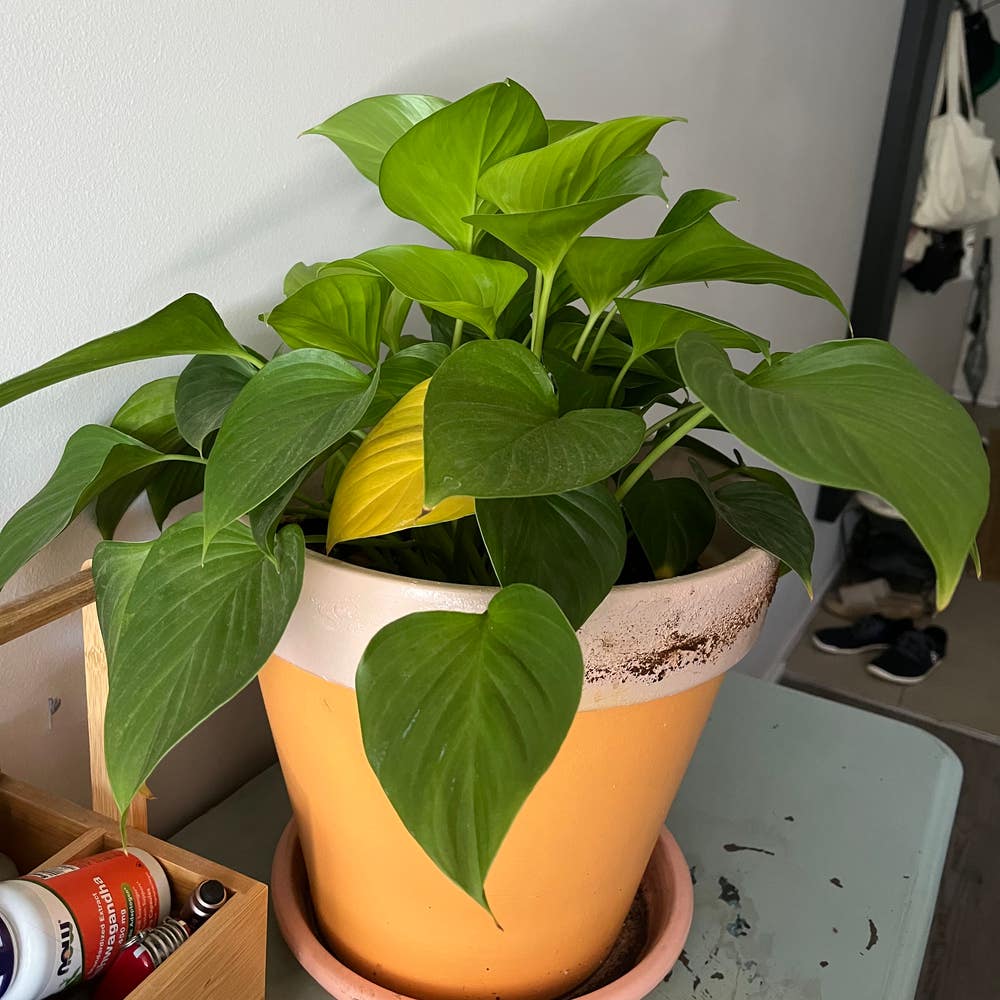
What Temperature Should My Homalomena aromatica Be Kept At?
Homalomena aromatica
By the Greg Editorial Team
Apr 20, 2024•3 min read
This article was created with the help of AI so we can cover more plants for you. May contain errors. See one? Report it here.
Keep your Homalomena cozy 🌡️—discover its perfect temperature sweet spot for lush growth!
- 65°F to 85°F ideal for Homalomena aromatica's health and happiness.
- 🍂 Seasonal adjustments necessary to prevent wilting and leaf discoloration.
- Thermostat & humidity control are key in managing temperature stress.
Homalomena aromatica's Happy Zone: The Ideal Temperature Range
♨️ The Goldilocks Principle: Not too hot, not too cold
The sweet spot for Homalomena aromatica's comfort lies between 65°F to 85°F (18°C to 30°C). This range ensures your plant isn't shivering or sweating its leaves off. It's about creating that just-right feel that keeps your Homalomena perky and not sulking in a corner.
🌬️ Seasonal Sensitivity: Adjusting for summer and winter
As the seasons shift, so should your vigilance. Summer might tempt you to let your plant bask in the sun, but remember, too much heat is a no-go. Come winter, don't let your Homalomena shiver—keep it away from drafts and provide a cozy nook. It's all about those minor tweaks to maintain the Goldilocks zone year-round.
When Your Plant Feels the Heat: Recognizing Temperature Stress
🌡️ The Tell-Tale Signs: Leaves speak volumes
Wilting, discoloration, and a general look of despair are early warnings of temperature distress in your Homalomena aromatica. Leaves that once stood proud may start to droop like overcooked spinach. Browning tips or black spots are your cue to reassess your plant's environment.
🍂 From Droop to Drop: When temperature takes its toll
If your Homalomena aromatica's leaves detach with a light touch, it's not being coy; it's in serious stress. Soft, mushy stems or a sudden leaf drop are your plant's version of waving a white flag. Keep an eye out for pests too; they're opportunists that love a weakened plant.
The Usual Suspects: What's Messing with Your Plant's Comfort Zone?
❄️ Drafts and Chills: The cold shoulder effect
Drafts are like uninvited guests at a party, they bring the chill that your Homalomena aromatica didn't sign up for. Sudden temperature drops from an open window or an air conditioning unit can cause your plant to go into shock. It's the equivalent of throwing an ice bucket challenge at your tropical friend.
🌞 Heat Waves and Sunburn: Too much of a good thing
Excessive heat and direct sunlight are the archenemies of your Homalomena aromatica's leaves. Think of it as putting your plant in a miniature oven with a sign that says "bake until crispy." Direct sunlight can lead to a sunburnt plant, and nobody wants to see their green buddy looking like a lobster.
Keeping Your Cool (or Warmth): Temperature Management Mastery
🌡️ Your Thermostat's Role: Finding and maintaining the sweet spot
Thermostats are the unsung heroes in the quest for the perfect plant environment. They're like the guardians of your Homalomena aromatica's comfort zone, preventing wild swings from hot to cold. Consistency is key; set it and forget it to maintain that ideal temperature range.
🛠️ Quick Fixes for Temperature Troubles
When temperatures go rogue, act fast. If it's too hot, draw the curtains to shield your plant from direct sunlight. Too cold? Move your plant away from drafty windows and consider a space heater—but keep it at a distance to avoid scorching. These are your go-to moves when the thermostat alone isn't cutting it.
🌬️ A Nod to Humidity: Its brief but important cameo
Humidity and temperature are like a dynamic duo for your Homalomena aromatica. Use a hygrometer to keep tabs on moisture levels. If the air's too dry, a pebble tray or humidifier can work wonders. Just remember, it's all about balance—too much humidity can lead to a whole new set of problems.
⚠️ Safety First
This content is for general information and may contain errors, omissions, or outdated details. It is not medical, veterinary advice, or an endorsement of therapeutic claims.
Always consult a qualified healthcare professional before using any plant as food, medicine, or supplement.
Never eat any plant (or feed one to pets) without confirming its identity with at least two trusted sources.
If you suspect poisoning, call Poison Control (800) 222-1222, the Pet Poison Helpline (800) 213-6680, or your local emergency service immediately.
Spotted an error? Please report it here.
Ensure your Homalomena aromatica avoids temperature stress and stays healthy 🌿 with Greg's custom reminders to adjust your home's climate as the seasons change.