Diagnosing Homalomena Aromatica Root Rot
Homalomena aromatica
By the Greg Editorial Team
Apr 20, 2024•3 min read
This article was created with the help of AI so we can cover more plants for you. May contain errors. See one? Report it here.
Rescue your Homalomena aromatica from root rot's clutches and restore its vigor with early detection 🌿🔍!
- Yellow leaves and wilting signal Homalomena aromatica root rot.
- Trim damaged roots, dry out, then replant for recovery.
- Prevent rot with well-draining soil and proper watering.
Spotting the Red Flags: Symptoms of Root Rot in Homalomena aromatica
💛 Yellowing Leaves and Wilting: Not Just a Bad Day
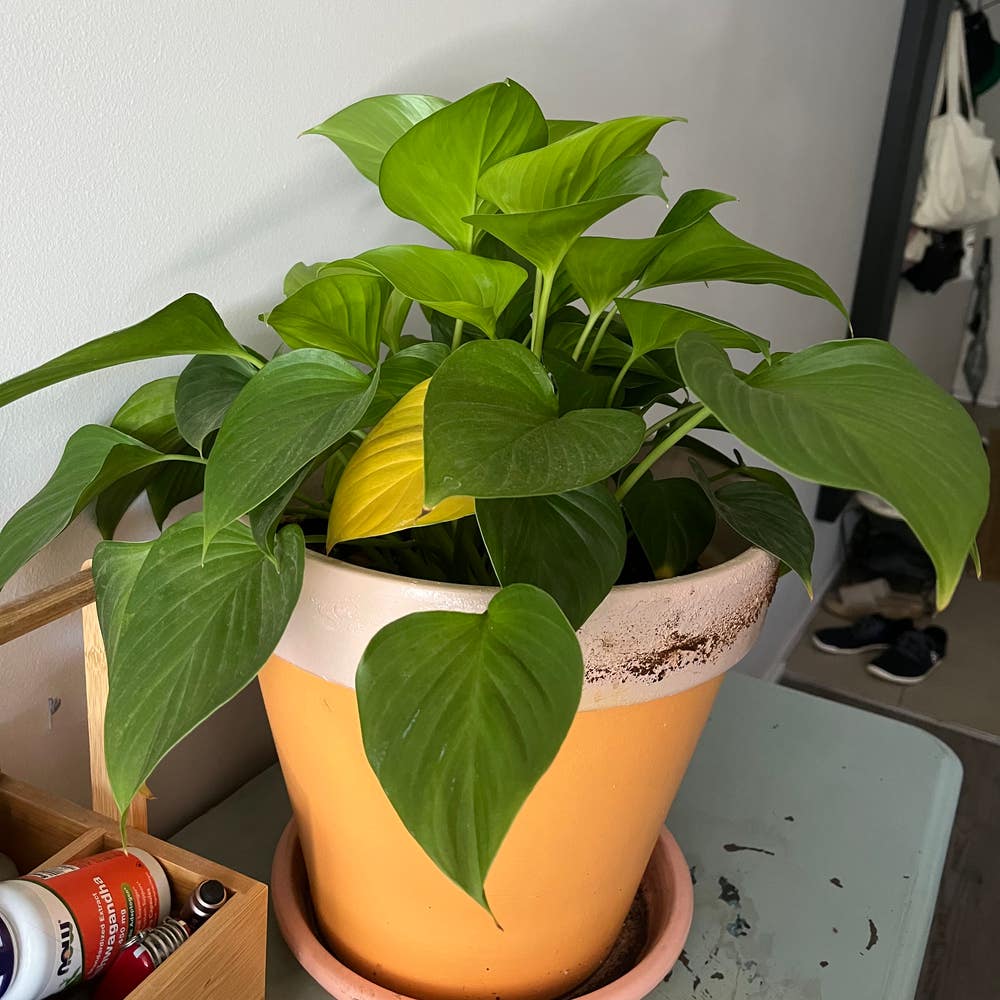
When the leaves yellow and your Homalomena aromatica starts to wilt, it's waving a red flag. This isn't just a temporary slump; it's a symptom that demands immediate attention.
🍄 Mushy Roots and Foul Odors: The Unseen Culprits
Beneath the surface, mushy roots and a foul odor are the secret saboteurs of your plant's health. If the soil smells like last week's forgotten leftovers, it's a clear signal of root decay.
🌱 Stunted Growth: When Your Plant Stops Thriving
If your Homalomena aromatica's growth has stalled, it's not just taking a break. Stunted growth is a silent alarm for root issues that could spell disaster if ignored.
Unearthing the Causes: Why Your Homalomena aromatica is Suffering
💦 Too Much Love: The Perils of Overwatering
Overwatering is like a helicopter parent for Homalomena aromatica – it means well but ends up smothering. This plant's roots need to breathe, not swim. When you pour too much H2O, you're setting the stage for a root rot rave, and trust me, it's not the kind of party you want in your pot.
🌬️ Suffocating Roots: The Need for Breathable Soil
Breathable soil is non-negotiable. Think of it as the plant's lungs. If the soil is as compacted as a subway car during rush hour, your Homalomena's roots are going to struggle. They need that airy, fluffy soil to thrive, not some dense dirt that clings like a bad habit.
🍄 Unwanted Guests: Fungal Pathogens at the Root of the Problem
And then there are the fungal pathogens, lurking around like uninvited guests waiting to crash the party. They love nothing more than a damp, poorly drained environment to set up shop. If your Homalomena's roots are sitting in moisture for too long, it's like rolling out the red carpet for these troublemakers.
The Rescue Mission: Treating Root Rot in Homalomena aromatica
🏥 Surgical Precision: Trimming Away the Damage
Armed with sterilized scissors, you're the plant's last hope. Snip off the rotten roots with a surgeon's steadiness. Remember, it's a delicate dance – remove the rot, spare the healthy.
💨 Drying Out: Techniques to Help Your Plant Breathe Again
Post-op, your Homalomena aromatica needs a dry spell. No water, just the healing touch of air. This is the ICU phase – indirect light and good air circulation are non-negotiable.
🌱 Replanting: Starting Fresh for a Healthy Comeback
It's moving day for your plant's roots. Fresh soil and a clean pot with drainage holes are the new home. Monitor the patient closely – too much sun or water now is like a recovering patient skipping physical therapy.
Fortifying Your Plant: Preventing Future Root Rot
💧 Watering Wisdom: Finding the Sweet Spot for Hydration
Check the soil before you water—like checking your pockets before laundry. If the top inch is dry, it's time to hydrate. Use a moisture meter if you're not sure; it's the plant equivalent of a rain gauge.
🏗️ The Right Foundation: Choosing Soil That Won't Hold Grudges
Your plant's soil should be like a good friend—supportive but not clingy. Use a mix that drains well to avoid waterlogging. Terracotta pots are like breathable sneakers for roots, letting air and water flow freely.
💨 Circulate the Love: Ensuring Your Plant Gets the Air It Needs
Airflow is the unsung hero in the fight against root rot. Position your plant where the air isn't stale—near a fan or an open window. It's like giving your plant a breath of fresh air, literally.
⚠️ Safety First
This content is for general information and may contain errors, omissions, or outdated details. It is not medical, veterinary advice, or an endorsement of therapeutic claims.
Always consult a qualified healthcare professional before using any plant as food, medicine, or supplement.
Never eat any plant (or feed one to pets) without confirming its identity with at least two trusted sources.
If you suspect poisoning, call Poison Control (800) 222-1222, the Pet Poison Helpline (800) 213-6680, or your local emergency service immediately.
Spotted an error? Please report it here.
Avoid the dread of Homalomena aromatica root rot by letting Greg's smart reminders 🌱 keep your watering schedule on point and your plant's roots in top health.