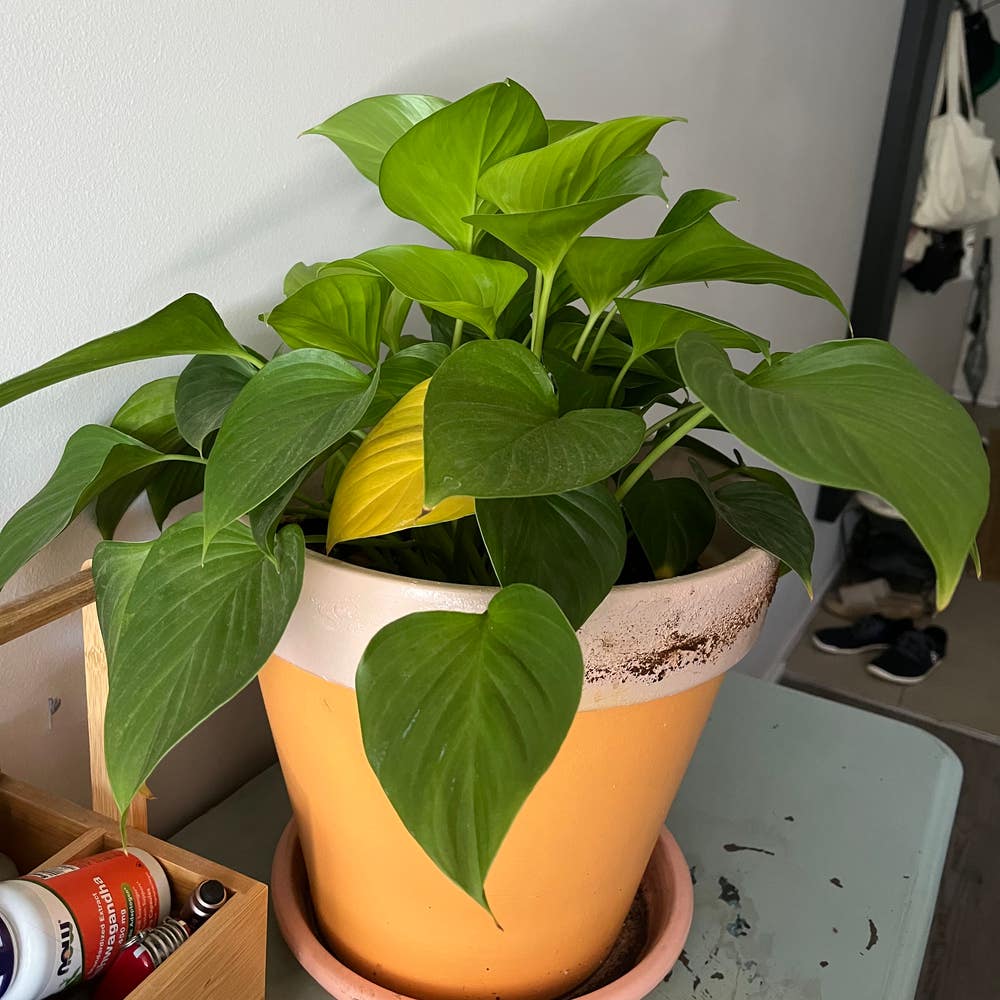
🌸 Top 5 Signs Your Scented Homalomena Has Flower Problems
Homalomena aromatica
By the Greg Editorial Team
Sep 30, 2024•5 min read
This article was created with the help of AI so we can cover more plants for you. May contain errors. See one? Report it here.
Unlock vibrant blooms for your Homalomena 🌼 with essential care tips to prevent common flowering issues!
- 🌸 Lack of flower buds signals your Homalomena may be struggling to bloom.
- 🌱 Stunted growth often indicates underlying health issues affecting flowering potential.
- 💡 Inadequate light and nutritional deficiencies are common causes of blooming problems.
Signs of Failure to Bloom
🌼 Identifying Failure to Bloom
One of the first signs your scented Homalomena is struggling is the lack of flower buds. If you notice no visible buds during the expected bloom cycle, it’s a clear indication something is off.
Another red flag is stunted growth. If your plant appears smaller and less vigorous than usual, it’s time to investigate further.
Comparing your plant with healthy specimens can also provide insights. Observing differences in flowering among similar plants can help pinpoint specific issues affecting your Homalomena.
🔍 Potential Causes
Inadequate light exposure is a common culprit. If your plant isn’t getting enough light, it may not initiate blooms at all.
Nutritional deficiencies can also hinder flower development. Without essential nutrients, your plant struggles to produce those beautiful blooms.
Lastly, consider environmental stress. Changes in humidity or temperature can disrupt the flowering process, leaving your plant in a state of confusion.
Understanding these signs and causes can help you take action to encourage blooming. Let’s explore how to address these issues effectively in the next section.
Causes of Premature Flower Drop
🌼 Recognizing Premature Flower Drop
Premature flower drop can be disheartening for any plant enthusiast. You might notice flower buds falling off before they even have a chance to bloom, or flowers that seem healthy but wilt almost immediately after opening.
⚠️ Contributing Factors
Fluctuating temperatures can be a major stressor for your Homalomena. Sudden changes in temperature may shock the plant, leading to bud drop.
Improper watering practices are another common culprit. Overwatering or underwatering can create an unstable environment, causing the plant to drop its buds.
Pests and diseases can also wreak havoc on your plant's health. Infestations can weaken the Homalomena, making it more susceptible to losing flowers prematurely.
Understanding these factors can help you take proactive steps to ensure your plant thrives. By addressing these issues, you can create a more stable environment for your Homalomena, encouraging it to bloom beautifully.
Next, let’s explore how to prune and maintain your plant for optimal flowering.
Abnormal Flower Development
🌸 Signs of Abnormal Flower Development
If your scented Homalomena is struggling, look for deformed flowers. These blooms may appear in unusual shapes or sizes, signaling something's off.
Another red flag is color inconsistencies. When flowers fail to display their expected vibrant hues, it can indicate underlying issues.
🧬 Causes of Abnormal Development
Genetic factors can play a significant role in abnormal flower development. Some plant varieties may simply have inherent flowering issues that affect their blooms.
Environmental stressors are also crucial. Poor lighting, humidity fluctuations, or temperature extremes can all negatively impact flower quality.
Nutritional imbalances are another common culprit. An excess or deficiency of certain nutrients can lead to those abnormal blooms you’re noticing.
Understanding these signs and causes can help you take action. By addressing these issues, you can encourage healthier flowering in your Homalomena.
Next, let’s explore how to prune and maintain your plant for optimal blooms.
Pruning and Maintenance for Better Flowering
🌸 How to Prune for Optimal Blooms
Pruning is essential for your scented Homalomena. It encourages new growth and improves air circulation, both of which are crucial for vibrant blooms.
To prune effectively, focus on removing dead or yellowing leaves and spent flowers. This not only tidies up the plant but also directs energy towards healthier growth.
⏰ Timing and Techniques for Effective Pruning
The best time to prune your Homalomena is early spring, just before the blooming season kicks off. This timing ensures that your plant is ready to flourish when the warmer weather arrives.
For effective pruning, use clean, sharp pruning shears. This ensures precise cuts, minimizing stress on the plant and promoting quicker healing.
💭 Final Thoughts on Pruning
Regular pruning can significantly enhance your plant's flowering potential. By maintaining a consistent pruning schedule, you set the stage for a healthier, more vibrant Homalomena.
Next, let’s explore how to address light-related issues that can impact your plant’s blooming success.
Solutions and Remedies
🌞 Addressing Light-Related Issues
To encourage your scented Homalomena to bloom, start by adjusting its light exposure. Moving the plant to a brighter location or utilizing grow lights can significantly enhance its chances of flowering.
It's crucial to monitor light exposure regularly. Ensure your plant receives adequate indirect sunlight, as too much direct light can be just as harmful as too little.
🍽️ Nutritional Adjustments for Improved Flowering
Next, focus on nutritional adjustments. A monthly feeding schedule during the growing season with a balanced fertilizer can provide the essential nutrients your plant needs to thrive.
Keep an eye out for signs of nutrient deficiencies. Regular checks can help you identify imbalances early, allowing for timely corrections.
🚫 Tips for Preventing Bud Drop
To prevent premature bud drop, maintain consistent watering practices. Keeping the soil evenly moist is key to supporting healthy blooms.
Additionally, monitoring environmental conditions is vital. Stable temperature and humidity levels can make a world of difference in your plant's overall health and flowering success.
With these solutions in place, your scented Homalomena will be better equipped to flourish. Next, let’s explore effective pruning techniques that can further enhance your plant's blooming potential.
⚠️ Safety First
This content is for general information and may contain errors, omissions, or outdated details. It is not medical, veterinary advice, or an endorsement of therapeutic claims.
Always consult a qualified healthcare professional before using any plant as food, medicine, or supplement.
Never eat any plant (or feed one to pets) without confirming its identity with at least two trusted sources.
If you suspect poisoning, call Poison Control (800) 222-1222, the Pet Poison Helpline (800) 213-6680, or your local emergency service immediately.
Spotted an error? Please report it here.
Boost your scented Homalomena's blooming potential 🌼 by using Greg's tailored care reminders to optimize light, water, and nutrients for vibrant flowers!