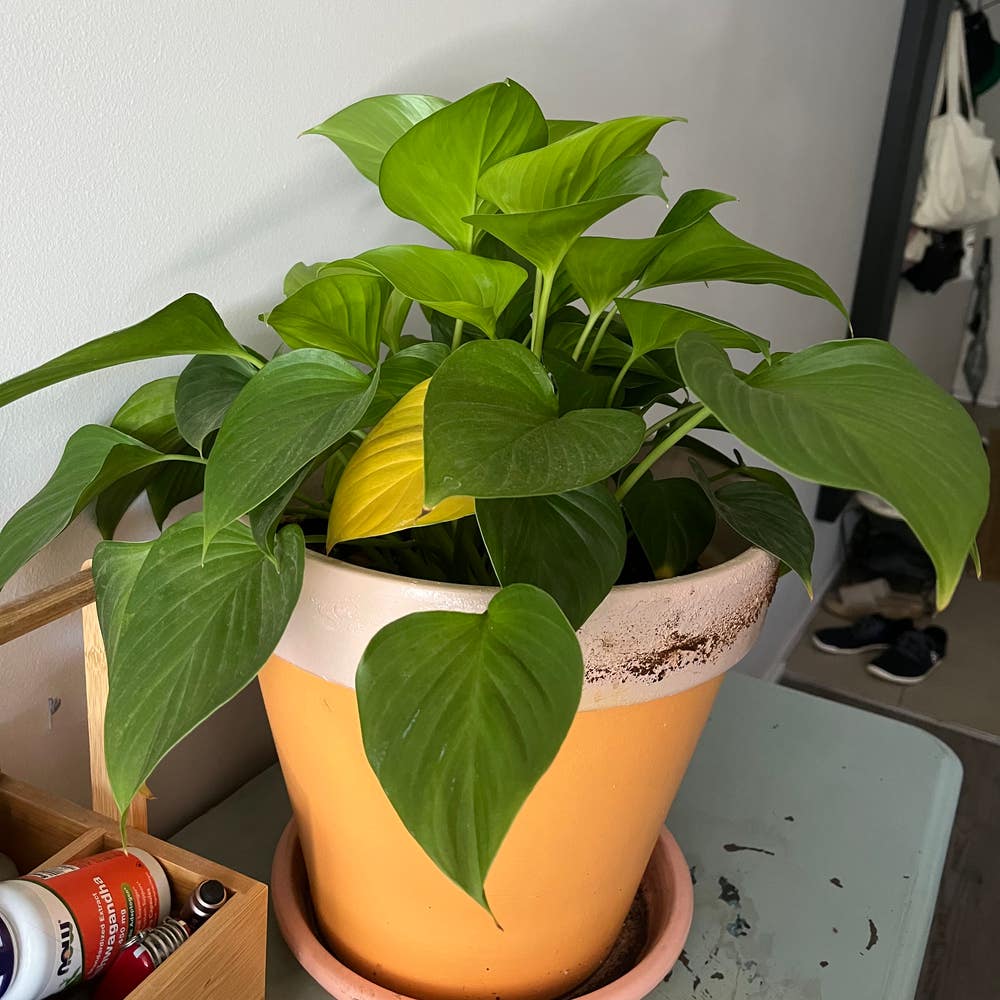
👃 Everything You Need to Know to Grow Homalomena
Homalomena aromatica
By the Greg Editorial Team
Sep 30, 2024•6 min read
This article was created with the help of AI so we can cover more plants for you. May contain errors. See one? Report it here.
Cultivate a thriving scented Homalomena 🌱 with expert tips that turn your space into a lush, vibrant oasis!
- 🌱 Scented Homalomena thrives in humid, shaded areas like bathrooms and kitchens.
- 💧 Water every 1-2 weeks; adjust based on humidity to prevent overwatering.
- 🌿 Prune in spring to encourage growth and enhance visual appeal.
Cultivation Techniques
🌍 Choosing the Right Location
When it comes to growing scented Homalomena, selecting the right location is crucial. Indoor settings like bathrooms and kitchens are ideal due to their humidity levels, which help the plant thrive.
For outdoor planting, consider areas that provide shade and protection from direct sunlight. This balance ensures your plant receives the right amount of light without getting scorched.
🏗️ Soil Preparation and Composition
The foundation of a healthy plant lies in its soil. A well-draining potting mix enriched with organic matter is recommended for optimal growth.
Aim for a soil pH between 6.0 and 7.0, which is slightly acidic to neutral. Proper drainage is essential to prevent root rot, so ensure your pot has adequate holes.
🌱 Planting Methods and Spacing
When planting, dig a hole that is 2-3 inches deep to allow for optimal root establishment. For outdoor planting, maintain a spacing of 12-18 inches between each plant to promote healthy growth.
If you’re container gardening, choose pots that are appropriately sized. A pot that is too small can restrict growth, while one that is too large may retain excess moisture.
With these cultivation techniques in mind, you’re well on your way to nurturing a thriving scented Homalomena. Next, let’s explore the essential aspects of watering and fertilizing your plant for continued health and vibrancy.
Watering and Fertilizing
Watering Frequency and Techniques 🌧️
To keep your scented Homalomena thriving, aim to water it every 1-2 weeks. Adjust this schedule based on humidity levels; higher humidity may allow for less frequent watering.
When you do water, ensure you do so thoroughly until it drains from the bottom of the pot. This technique helps maintain consistent moisture, which is crucial for healthy growth without risking waterlogging.
Best Fertilizers 🌱
Choosing the right fertilizer can make a significant difference in your plant's health. Opt for balanced liquid fertilizers or slow-release granules to provide essential nutrients.
Fertilize your Homalomena every 4-6 weeks during the growing season for optimal results. If you prefer organic options, consider using compost tea or fish emulsion, which can enrich the soil naturally.
Signs of Overwatering or Underwatering 🚨
Being attentive to your plant's signals is key to successful care. Overwatering often manifests as yellowing leaves and mushy roots, indicating that your plant is struggling.
On the flip side, underwatering can lead to wilting and crispy leaf edges. Adjust your care routine based on these symptoms to keep your Homalomena healthy and vibrant.
As you refine your watering and fertilizing techniques, you'll set the stage for effective pruning and maintenance, ensuring your plant continues to flourish.
Pruning and Maintenance
✂️ Pruning Techniques
Pruning your scented Homalomena is essential for its health and appearance. The best time to prune is early spring or right after flowering, allowing the plant to focus its energy on new growth.
When pruning, remove any dead or yellowing leaves to promote a vibrant look. Shaping the plant can also encourage bushier growth, making it more visually appealing.
Always use clean, sharp pruning shears to minimize damage. This simple tool choice can make a significant difference in your plant's recovery and overall health.
📅 Seasonal Care Routines
As the seasons change, so should your care routine. In winter, increase humidity levels to keep your plant thriving, as it can struggle in dry air.
Monitor growth patterns closely. Pruning during this time can help encourage a fuller, bushier plant, ensuring it looks its best year-round.
Adjust your fertilization schedule too; reduce frequency during dormant months to avoid overfeeding. This helps your Homalomena conserve energy while it rests.
🪴 Repotting Tips and Timing
Recognizing when to repot is crucial for your plant's health. Signs include root-bound plants or stunted growth, indicating it's time for a new home.
The best time to repot is in spring, coinciding with the active growth phase. This timing allows your plant to adapt quickly to its new environment.
During the repotting process, gently remove the plant from its pot, refresh the soil, and ensure proper drainage. This will set your Homalomena up for success in its new space.
With these pruning and maintenance tips, your scented Homalomena will flourish beautifully. Next, let's explore common challenges and solutions to keep your plant thriving.
Common Challenges and Solutions
🐛 Identifying and Managing Pests
Common Pests
Pests can be a real headache for your scented Homalomena.
- Spider mites: Look for webbing and stippled leaves as telltale signs.
- Aphids: These little nuisances leave sticky residue and cause distorted growth.
Control Methods
Managing pests doesn’t have to be daunting.
- Natural remedies: Neem oil and insecticidal soap are effective options.
- Preventive measures: Regular inspections and maintaining plant health can keep pests at bay.
🦠 Addressing Diseases
Common Diseases
Diseases can sneak up on your plant, so vigilance is key.
- Root rot: Watch for wilting and yellowing leaves.
- Leaf spot: Dark spots on leaves often indicate a fungal infection.
Prevention and Treatment
Preventing diseases is easier than treating them.
- Proper watering techniques: Avoid overwatering to keep root rot at bay.
- Using sterilized tools and soil: This helps prevent the spread of diseases.
🌪️ Environmental Stress Factors
Environmental conditions play a crucial role in your plant's health.
- Light requirements: Indirect light is essential for healthy growth.
- Humidity needs: Keep humidity levels above 50% for optimal results.
- Temperature preferences: Aim for a comfortable range of 65°F to 80°F (18°C to 27°C).
Understanding these challenges and their solutions will empower you to care for your scented Homalomena effectively.
Next, let’s explore ongoing care and monitoring to ensure your plant thrives year-round.
Ongoing Care and Monitoring
🌱 Regular Plant Care Routine
Daily checks are essential for keeping your scented Homalomena healthy. Look out for pests and assess the overall health of your plant.
Weekly tasks should include watering, cleaning the leaves, and monitoring humidity levels. This routine helps maintain a thriving environment for your plant.
📈 Monitoring Growth and Health Indicators
Signs of healthy growth include new leaf production and vibrant color. If you notice these indicators, your plant is likely thriving.
Adjust your care based on growth patterns. For instance, if your plant is growing rapidly, consider increasing humidity or light exposure.
🍂 Adjusting Care Based on Seasonal Changes
As seasons change, so should your care routine. Increase watering during the summer months and reduce it in winter to match your plant's needs.
Adapting your fertilization schedule to the growth cycles is crucial. Keep an eye out for seasonal pests and diseases, adjusting your care accordingly to ensure your plant remains healthy year-round.
With these ongoing care strategies, your scented Homalomena will flourish beautifully. Next, let's explore common challenges and solutions to keep your plant thriving.
⚠️ Safety First
This content is for general information and may contain errors, omissions, or outdated details. It is not medical, veterinary advice, or an endorsement of therapeutic claims.
Always consult a qualified healthcare professional before using any plant as food, medicine, or supplement.
Never eat any plant (or feed one to pets) without confirming its identity with at least two trusted sources.
If you suspect poisoning, call Poison Control (800) 222-1222, the Pet Poison Helpline (800) 213-6680, or your local emergency service immediately.
Spotted an error? Please report it here.
Transform your Scented Homalomena into a lush masterpiece 🌿 with Greg's tailored care reminders and expert advice that keep your plant thriving all year round!