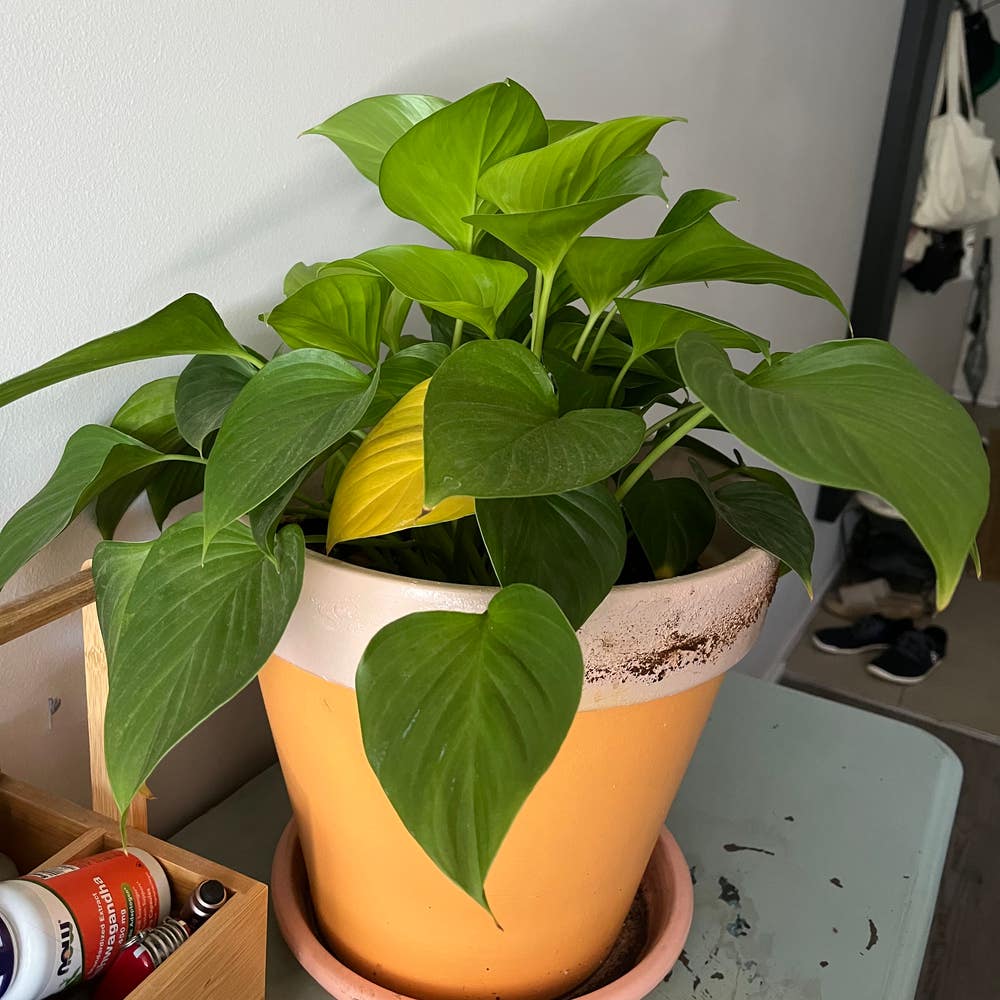
Why Are There Brown Spots on My Homalomena aromatica?
Homalomena aromatica
By the Greg Editorial Team
Apr 20, 2024•4 min read
This article was created with the help of AI so we can cover more plants for you. May contain errors. See one? Report it here.
Banish brown spots 🍂 and restore your Homalomena aromatica to its lush glory with these expert care tips!
- Over/underwatering causes brown spots: Check soil moisture before watering.
- Nutrient balance is key: Adjust fertilization based on plant feedback.
- Environmental stress affects health: Ensure proper light, humidity, and airflow.
Pinpointing the Culprits Behind Brown Spots
💦 Overwatering vs. Underwatering
Soft, mushy brown spots often scream overwatering, while dry, crispy patches hint at underwatering. Your Homalomena aromatica's leaves are like a billboard, advertising your watering habits.
Signs Your Watering Routine Needs Tweaking
- Yellowing leaves may indicate too much water.
- Wilting or browning leaf edges often cry out for more hydration.
Finding the Watering Sweet Spot
- The top inch of soil should feel like a dry desert before watering.
- Aim for moist, not soggy, soil—think wrung-out sponge.
🌱 Nutrient Deficiencies and Toxicities
Nutrient imbalances leave their mark, with each deficiency or toxicity creating a unique pattern of distress on your plant.
Identifying Signs of Nutrient Imbalance
- Yellow leaves could be screaming for nitrogen.
- Stunted growth might be whispering for potassium.
Adjusting Your Fertilization Game Plan
- A balanced fertilizer is your plant's best friend.
- Observe and tweak nutrient levels based on your plant's feedback.
🌿 Environmental Stressors
Your Homalomena aromatica's brown spots might also be a distress signal due to environmental stress.
Recognizing the Impact of Humidity, Temperature, and Light
- High humidity can lead to fungal issues, manifesting as brown spots.
- Too little light can cause the plant to stretch and stress, leading to spotting.
Quick Fixes to Environmental Conditions
- Ensure proper airflow to combat excess moisture.
- Adjust light levels to avoid both scorching and etiolation.
First Aid for Your Homalomena
🌿 The Right Way to Prune
Pruning isn't just about hacking away at your plant—it's a delicate dance with shears. Sanitize your tools to prevent infection. Snip off brown, injured, or diseased leaves at their base. If you're feeling generous, dust the wounds with crushed charcoal. This isn't just for looks; it's a barrier against pathogens.
🌱 Encouraging New Growth
After the cutback, your Homalomena is vulnerable. Ease up on the fertilizer and let it focus on healing. New shoots are the green thumbs-up you're looking for. Keep the soil consistently moist and the plant out of harsh conditions. It's like giving your plant a comfy blanket and a hot cup of tea.
🌳 Reviving the Roots
🌷 When to Repot
Roots peeking out of the drainage holes? Plant wobbling like a tipsy dancer? Time to repot. Do this during the growth season when your Homalomena is most resilient. Young plants get new digs annually, while older ones can wait every 2-3 years.
🌱 The Repotting Process
Choose a new pot that's just a size up—think cozy, not cavernous. Ensure it has drainage holes. Gently tease out the roots and trim any dead or mushy ones. It's like giving your plant's roots a fresh haircut. Fresh soil is a must; think of it as a new mattress for your Homalomena's roots. Then, water thoroughly to settle in.
Keeping Brown Spots at Bay
💧 Watering Wisdom
Consistency is your Homalomena's best friend when it comes to watering. To prevent brown spots, establish a routine that mimics the plant's natural habitat. During warmer months, the soil should be kept moist, but as the mercury drops, so should your watering frequency.
- Check the soil before watering—aim for a dry top inch.
- Use a moisture meter for precision, or trust the classic finger test.
🍽️ Nutrient Know-How
Your Homalomena needs a balanced diet to thrive. Over- or under-fertilizing can lead to nutrient imbalances, manifesting as those dreaded brown spots.
- Stick to a fertilization schedule that complements the plant's growth cycle.
- Make seasonal adjustments: less in the dormant winter months, more during active growth.
🌡️ Stress-Free Surroundings
Creating a stable environment is crucial for keeping your Homalomena spot-free. Fluctuations in temperature, light, or humidity can stress your plant out, leading to brown spots.
- Maintain consistent humidity and temperature.
- Monitor light levels, ensuring your Homalomena gets bright, indirect sunlight without the scorch.
- Keep a care log to track what works and tweak as necessary.
⚠️ Safety First
This content is for general information and may contain errors, omissions, or outdated details. It is not medical, veterinary advice, or an endorsement of therapeutic claims.
Always consult a qualified healthcare professional before using any plant as food, medicine, or supplement.
Never eat any plant (or feed one to pets) without confirming its identity with at least two trusted sources.
If you suspect poisoning, call Poison Control (800) 222-1222, the Pet Poison Helpline (800) 213-6680, or your local emergency service immediately.
Spotted an error? Please report it here.
Ensure your Homalomena aromatica is spot-free 🍂 with Greg's tailored watering reminders and nutrient tracking for a perfectly balanced environment.