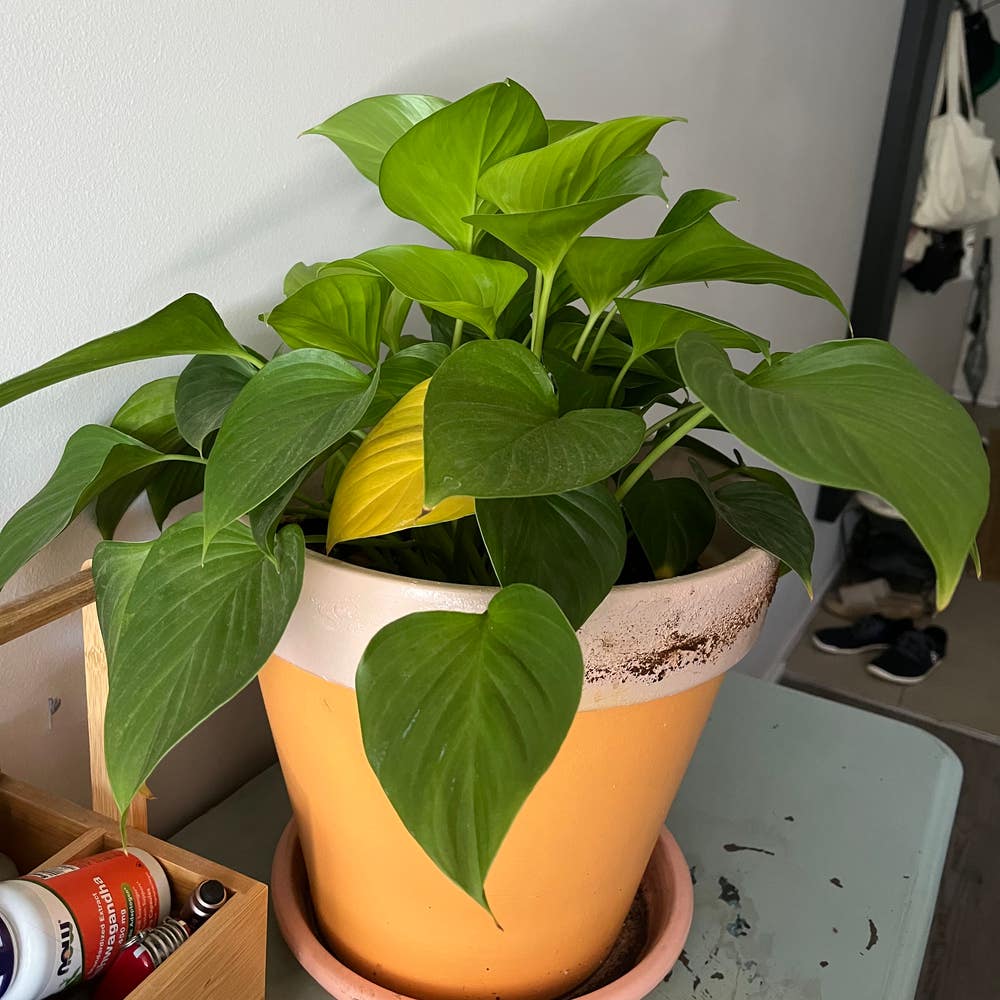
10 Outdoor Care Tips for Scented Homalomena 👃
Homalomena aromatica
By the Greg Editorial Team
Sep 30, 2024•6 min read
This article was created with the help of AI so we can cover more plants for you. May contain errors. See one? Report it here.
Cultivate a fragrant garden oasis 🌿 with essential tips for thriving Scented Homalomena care!
- 🌞 Scented Homalomena thrives in 4-6 hours of indirect sunlight; avoid direct sun.
- 💧 Water every 1-2 weeks; keep soil moist but not soggy to prevent root rot.
- 🌱 Use well-draining soil and adjust care seasonally for optimal growth and health.
Sunlight and Location
Ideal Sunlight Conditions for Outdoor Growth 🌞
Scented Homalomena thrives best in full shade to partial shade, requiring about 4-6 hours of indirect sunlight daily. Direct sunlight can scorch the leaves, so it's crucial to find a spot that offers protection from harsh rays.
Choosing the Right Location in Your Garden 🏡
When selecting a location, assess microclimates within your garden. Look for areas that maintain consistent warmth and humidity, which are vital for healthy growth.
Proximity to structures can also play a significant role. Walls or fences can provide much-needed wind protection, creating a more stable environment for your plants.
Lastly, consider drainage carefully. Avoid low-lying areas where water tends to pool, as this can lead to root rot and other issues.
By paying attention to these factors, you can create an ideal setting for your Scented Homalomena to flourish. Next, let’s explore the essential aspects of watering and soil preferences to keep your plants healthy and vibrant.
Watering and Soil Preferences
Watering Frequency and Techniques 🌧️
To keep your scented Homalomena thriving, maintain consistently moist soil without letting it become soggy. Water every 1-2 weeks, adjusting based on rainfall and humidity levels.
Using a soaker hose or drip irrigation can help distribute moisture evenly, ensuring your plant receives just the right amount of water. This technique minimizes the risk of overwatering, which can lead to root rot.
Best Soil Types 🌱
For optimal growth, your Homalomena prefers well-draining soil rich in organic matter. A great soil mix consists of 50% potting soil, 30% perlite, and 20% compost.
Aim for a slightly acidic to neutral pH level, ideally between 6.0 and 7.0. This balance promotes healthy root development and nutrient absorption, setting your plant up for success.
As you care for your scented Homalomena, remember that proper watering and soil conditions are foundational to its health. Next, let’s explore the best fertilization practices to keep your plant nourished and flourishing.
Fertilization
Recommended Fertilizers and Feeding Schedule 🌱
To keep your scented Homalomena thriving, use a balanced, water-soluble fertilizer every 4-6 weeks during the growing season. Opt for a 20-20-20 NPK formula or organic options like fish emulsion for a nutrient boost.
Signs of Nutrient Deficiency ⚠️
Watch for yellowing leaves, which often indicate nitrogen deficiency. If you notice stunted growth, it might suggest a lack of phosphorus or potassium, while leaf drop can signal over-fertilization or nutrient imbalance.
Understanding these fertilization tips and signs of deficiency will help you maintain a healthy plant. With the right care, your Homalomena will flourish beautifully in your outdoor space.
Next, let's explore the various planting options available for your scented Homalomena.
Planting Options
🌱 Benefits of Container Planting
Container planting offers remarkable flexibility. You can easily move your scented Homalomena to optimize sunlight exposure and protection from harsh weather.
Managing drainage is another advantage. Containers allow for better control over soil moisture levels, reducing the risk of overwatering.
Additionally, container plants can enhance the aesthetic appeal of your outdoor spaces. They can transform a simple patio or deck into a vibrant oasis.
⚖️ Pros and Cons of Planting in the Ground
Pros:
Planting in the ground provides a natural growth environment. Your plants will have better access to nutrients and moisture from the soil.
Another benefit is the larger growth potential. With more space for root expansion, your Homalomena can thrive and reach its full size.
Cons:
However, planting in the ground comes with challenges. You have less control over soil conditions, which can lead to poor drainage.
Moreover, ground-planted Homalomena are more vulnerable to pests and diseases. Increased exposure to outdoor threats can complicate your gardening efforts.
In summary, both container and ground planting have their unique advantages and drawbacks. Choosing the right option depends on your gardening goals and the specific conditions of your outdoor space.
Next, let’s explore how to protect your plants from weather extremes and pests.
Protection from Weather and Pests
🌬️ Strategies for Weather Protection
To keep your scented Homalomena thriving, consider using frost cloths or row covers during unexpected cold snaps. These simple tools can shield your plants from harsh temperatures and ensure they stay cozy.
Mulching around the base is another effective strategy. It helps retain soil moisture and regulates temperature, creating a more stable environment for your plants.
Creating windbreaks using fences or taller plants can also provide essential protection. This not only shields your Homalomena from strong winds but also helps maintain humidity levels.
🐛 Common Outdoor Pests and How to Manage Them
Outdoor pests can be a real headache, but knowing how to identify and manage them makes all the difference. For instance, aphids are notorious for curling leaves; you can control them easily with insecticidal soap.
Spider mites are another common foe. Look for fine webbing on your plants; increasing humidity and using miticides can help keep these pests at bay.
Slugs and snails can also pose a threat. Hand-picking them or setting up traps can significantly reduce their populations, allowing your Homalomena to flourish.
🦠 Diseases and Prevention Methods
Preventing diseases is crucial for maintaining healthy plants. Root rot, often caused by overwatering, can be avoided by ensuring your soil is well-draining.
Leaf spot is a fungal disease that can affect your plants. You can manage it effectively by ensuring proper spacing and good air circulation around your Homalomena.
Regular inspection is key. Early detection of any issues can prevent larger outbreaks, keeping your plants healthy and vibrant.
With these protective measures in place, your scented Homalomena will be well-equipped to handle the elements and pests. Next, let’s explore how to adjust your care routine with the changing seasons.
Seasonal Care
Adjusting Care for Seasonal Changes 🌱
As the seasons shift, so should your care routine for scented Homalomena. In spring, ramp up your watering as temperatures rise and kick off your fertilization schedule.
During the summer months, keep a close eye on pests and ensure your plants have adequate moisture to thrive in the heat. As fall approaches, gradually reduce watering and prepare your plants for the cooler temperatures ahead.
In winter, protect your Homalomena from frost by bringing them indoors or using protective covers. Also, cut back on fertilization and watering frequency to match the plant's dormant state.
Special Considerations for Different Climate Zones 🌍
Your climate zone plays a significant role in how you care for your plants. In tropical zones, minimal protection is needed; just focus on maintaining humidity levels.
For temperate zones, consider using containers for easy mobility and provide winter protection to shield your plants from harsh conditions. In cold zones, bringing your plants indoors or utilizing greenhouses can be crucial for their survival.
With these seasonal care tips, your scented Homalomena will flourish year-round, adapting beautifully to its environment. Next, let's explore how to protect your plants from weather extremes and pests.
⚠️ Safety First
This content is for general information and may contain errors, omissions, or outdated details. It is not medical, veterinary advice, or an endorsement of therapeutic claims.
Always consult a qualified healthcare professional before using any plant as food, medicine, or supplement.
Never eat any plant (or feed one to pets) without confirming its identity with at least two trusted sources.
If you suspect poisoning, call Poison Control (800) 222-1222, the Pet Poison Helpline (800) 213-6680, or your local emergency service immediately.
Spotted an error? Please report it here.
Keep your Scented Homalomena thriving outdoors 🌿 with these care tips, and let Greg provide you with tailored watering reminders to ensure it flourishes all season long!