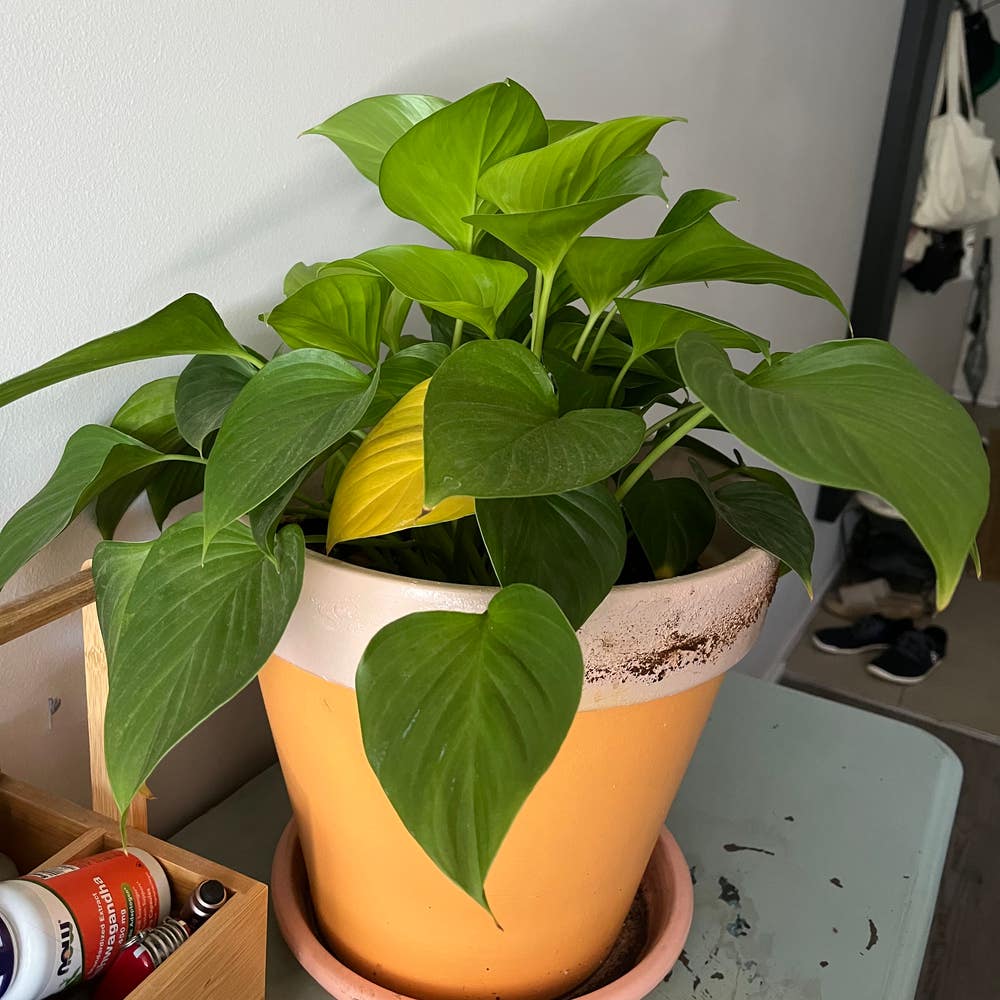
How to Propagate Your Homalomena aromatica
Homalomena aromatica
By the Greg Editorial Team
Apr 20, 2024•4 min read
This article was created with the help of AI so we can cover more plants for you. May contain errors. See one? Report it here.
Propagate Homalomena aromatica like a pro 🌿—simple steps for lush growth at home!
- 🌱 Spring division: Best time when plant outgrows pot or shows new growth.
- ✂️ Sterile tools, careful separation: Minimize root trauma and ensure propagation success.
- 🌡️💧 Optimal conditions: Temperature, humidity, light are crucial for thriving propagations.
Propagating by Division
🌱 When to Divide Your Plant
Spring is the sweet spot for division. Your Homalomena aromatica will hint it's time by outgrowing its pot or when you spot new growth. It's the plant's way of saying, "Give me space!"
🛠️ Step-by-Step Division Guide
🚿 Preparing for Division
Hydrate your plant a few days before the big split. This minimizes root trauma and sets the stage for a smoother division.
🌱 The Division Process
- Unpot your Homalomena aromatica with care, keeping the root ball intact.
- Lay it on its side and tease apart the roots to find natural divisions.
- With a sterile, sharp tool, separate the sections, ensuring each has roots and shoots.
- Trim any dead or damaged parts to avoid future issues.
🏺 Potting New Divisions
- Choose pots that are snug but not tight for each new plant.
- Fill with fresh potting soil, plant your divisions, and water to settle the soil.
- Place them in a spot with bright, indirect light and resist the urge to fertilize immediately.
🌿 Post-Division Care
Maintain high humidity and keep the soil moist, not soggy. Watch for new leaf growth—it's a sign your plant is settling into its new home. Remember, patience is key; give your divisions time to thrive.
Starting with Stem Cuttings
✂️ Snip and Dip: Preparing Stem Cuttings
To kick off stem cutting propagation, sterilization
Cultivating from Offsets
🌱 Spotting and Separating Offsets
In the quest for propagation, offsets are your gold mine. These little clones hug the base of your Homalomena aromatica, eager to strike out on their own. Look for offsets that boast their own roots—these are ripe for independence. They should be substantial enough to stand alone without the mother plant's apron strings.
Separate them with care, as if you're handling a rare manuscript. Use sterilized tools to avoid introducing pathogens. If a cut is needed, do it cleanly, then let the offset dry for a day—think of it as its first step towards autonomy.
🌿 Encouraging Offset Growth
Once separated, it's time for the offsets to shine. Plant them in a well-draining mix, mimicking their natural depth. This is no time for deep-sea diving; too deep and you risk rot.
Offsets are like the new interns at the office—they need guidance and a bit of coddling. Provide bright, indirect light and water sparingly. Overwatering is the kiss of death here, akin to flooding your engine. Watch for signs of growth—it's the plant's way of giving you a thumbs up. Adjust care as needed, because like people, each offset has its own set of preferences.
Ensuring Propagation Success
🌱 Ideal Conditions for Propagation
Creating the optimal environment for Homalomena aromatica propagation is like setting the stage for a top-notch performance. The stars of the show are temperature, humidity, and light.
🌡️ Temperature
Keep it cozy. Your cuttings need a warm embrace, ideally between 75° and 80°F. Avoid temperature swings that could shock your delicate propagates.
💦 Humidity
Aim for a humidity level that feels like a gentle mist. Around 70-80% is the sweet spot, encouraging root growth without inviting mold to the party.
☀️ Light
Bright, indirect sunlight is the silent cheerleader of propagation. It's the perfect balance to encourage growth without the risk of sunburn.
🛠 Troubleshooting Common Propagation Problems
When things go awry, it's time to play detective. Observe, assess, and adjust. Here's how to tackle some common issues.
Wilting or Discolored Leaves
This is often a sign of environmental stress. Check if your plant is too hot, too cold, or drowning in water. Adjust accordingly.
Slow Growth
Patience is key, but if growth is slower than expected, double-check your basics: light, temperature, and humidity. If all seems well, consider a change in environment or propagation method.
Mold or Rot
Good air circulation is your best defense. Ensure your propagation station isn't a breeding ground for fungi. If you spot mold, increase airflow and consider reducing humidity slightly.
No Roots
If roots are shy, ensure your lighting and temperature are on point. A rooting hormone can sometimes give them the nudge they need.
Remember, consistency is your ally in the propagation game. Keep conditions stable, and you'll set the stage for success.
⚠️ Safety First
This content is for general information and may contain errors, omissions, or outdated details. It is not medical, veterinary advice, or an endorsement of therapeutic claims.
Always consult a qualified healthcare professional before using any plant as food, medicine, or supplement.
Never eat any plant (or feed one to pets) without confirming its identity with at least two trusted sources.
If you suspect poisoning, call Poison Control (800) 222-1222, the Pet Poison Helpline (800) 213-6680, or your local emergency service immediately.
Spotted an error? Please report it here.
Propagate your Homalomena aromatica with ease this spring, and count on Greg to nurture 🌿 your new growths with custom watering and light reminders for unparalleled success.