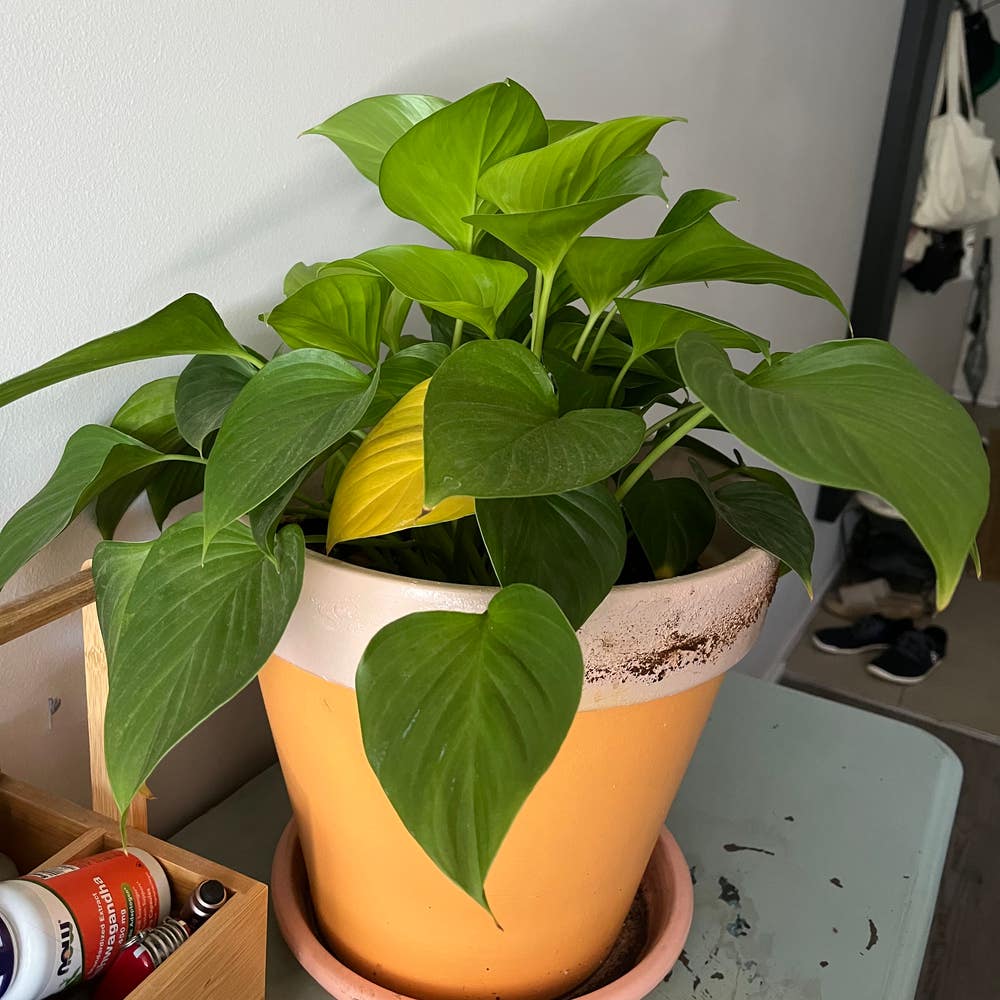
💧 How Much Humidity Does My Homalomena aromatica Need?
Homalomena aromatica
By the Greg Editorial Team
Apr 20, 2024•3 min read
This article was created with the help of AI so we can cover more plants for you. May contain errors. See one? Report it here.
Unlock lush growth for your Homalomena aromatica 🌿 by hitting the humidity sweet spot!
- 60-80% RH ideal for Homalomena aromatica's health.
- 🍂 Crispy leaves signal distress; monitor with a hygrometer.
- Group plants or use humidifiers to maintain humidity.
Spotting Your Homalomena aromatica's Humidity Sweet Spot
🌧️ What's the Deal with Humidity?
Humidity isn't just a buzzword for weather geeks; it's crucial for your Homalomena aromatica. These plants are like mini rainforest ambassadors in your living room, craving that moist air to keep their leaves lush and lovely.
🎯 The Goldilocks Zone for Humidity
60-80% RH—that's the sweet spot. Not too muggy, not too arid, just perfect for your Homalomena aromatica to thrive. Stray outside this range, and you're asking for trouble, like crispy leaves or stunted growth.
🚨 Signs of Humidity Distress
Keep an eye out for the SOS signals: crispy leaf edges or a plant that looks more deflated than your last birthday balloon. Too much humidity? You might as well send out invites for a fungal fiesta. Spotting spider mites? They're telling you the air's drier than a stand-up comedian's wit.
Making Sense of Your Local Humidity Scene
🌡️ Humidity at Home: What's Your Baseline?
To get a grip on your indoor humidity, grab a hygrometer. This nifty device will spill the beans on moisture levels where your Homalomena aromatica hangs out. Avoid placing it near tricksters like drafts or direct sunlight, which can skew the truth.
🌬️ When Seasons Change the Humidity Game
Seasonal mood swings aren't just for people; they're real for your Homalomena aromatica too. Summer can turn your pad into a steam room, while winter might leave it as dry as stale bread. Keep tabs on these shifts; your plant's vibe depends on it.
Cranking Up the Humidity for Your Homalomena aromatica
💦 DIY Humidity Hacks
Creating the perfect humidity for your Homalomena aromatica doesn't have to be high-tech. Grouping plants together is like hosting a mini moisture mixer, with each plant contributing to the collective humidity. It's a simple yet effective way to mimic their natural environment.
For a more hands-on approach, the pebble tray method is a classic. Just grab a tray, toss in some pebbles, and add water. Make sure the water level stays below the stones to avoid soggy roots. As water evaporates, it envelops your plant in a humid hug.
🌬️ Tech to the Rescue: Humidifiers
When the DIY route just isn't cutting it, it's time to bring in the big guns: humidifiers. These gadgets are like personal rainclouds, silently working to keep the air around your Homalomena aromatica suitably moist.
Choosing the right humidifier can be a game of Goldilocks – not too big, not too small, but just right for your space. Remember, it's about creating a tropical getaway, not a rainforest monsoon. Keep an eye on the humidity level to ensure your green buddy is getting just the moisture it needs.
When It's Time to Dial Down the Humidity
💨 Airflow and Your Plant: Finding the Balance
Improving air circulation is crucial for your Homalomena aromatica's health, particularly when humidity levels are too high. A stagnant environment is an open invitation for pests and diseases. Crack a window or set up a fan to keep the air moving. This ensures your plant isn't suffocating in a moisture-laden bubble.
🌬️ The Dehumidifying Squad
When the air gets thicker than your favorite sweater, it's time to bring in the dehumidifiers. These devices are like a dry spell for your indoor jungle, pulling excess moisture from the air. Position them thoughtfully, ensuring they're not too close to your plants to avoid turning your tropical paradise into a parched landscape. Remember, the goal is balance, not a botanical drought.
⚠️ Safety First
This content is for general information and may contain errors, omissions, or outdated details. It is not medical, veterinary advice, or an endorsement of therapeutic claims.
Always consult a qualified healthcare professional before using any plant as food, medicine, or supplement.
Never eat any plant (or feed one to pets) without confirming its identity with at least two trusted sources.
If you suspect poisoning, call Poison Control (800) 222-1222, the Pet Poison Helpline (800) 213-6680, or your local emergency service immediately.
Spotted an error? Please report it here.
Ensure your Homalomena aromatica is luxuriantly lush 💧 with Greg's custom care plans that adjust to your home's humidity, guaranteeing your greenery gets exactly what it needs!