5 Perfect Spots to Grow Italian Arum
Arum italicum
By the Greg Editorial Team
Jul 23, 2024•4 min read
This article was created with the help of AI so we can cover more plants for you. May contain errors. See one? Report it here.
Master the art of growing Italian Arum 🌿 by recreating its woodland home in your garden!
- 🌳 Shade and Soil: Italian Arum loves shaded woodlands and well-drained, humus-rich soil.
- 📍 Optimal Locations: Thrives outdoors in woodlands, sheltered spots, and rock gardens.
- 💧 Drainage is Key: Ensure good drainage to prevent root rot, indoors and out.
Site Selection Essentials
☀️ Sun Exposure Needs
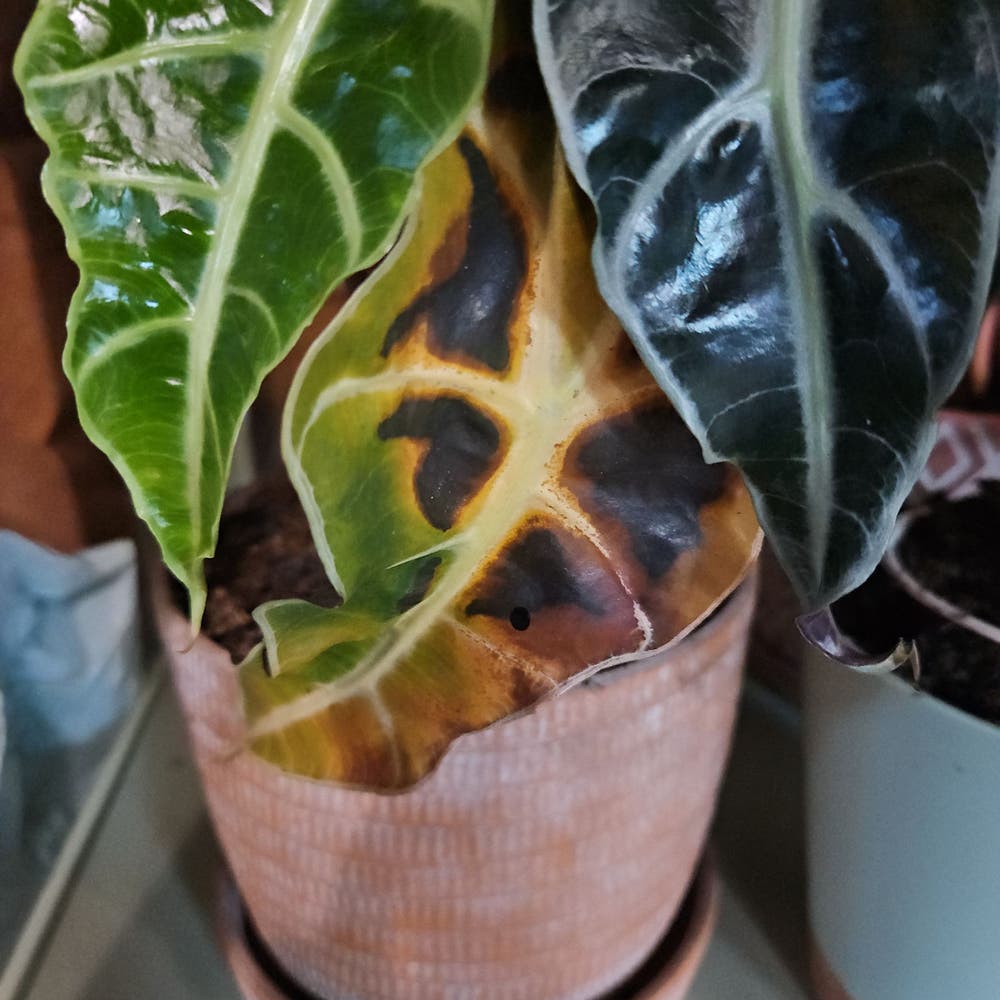
Italian Arum has a particular affinity for the shade, which mirrors its natural woodland habitat. Excessive sun exposure can lead to leaf burn, evident from brown, crispy edges on the foliage. To ensure the plant's well-being, consider these light preferences:
- Full shade in deep woodland or north-facing gardens.
- Semi-shade in light woodland or areas with dappled sunlight.
- Avoidance of prolonged direct sunlight, especially during peak hours.
🌱 Soil Conditions
The soil is the foundation of Italian Arum's health. It thrives in a range of soil types, but here are the ideal characteristics:
- Well-drained soil to prevent root rot.
- Humus-rich composition for nutrient availability.
- Soil pH that is mildly acidic to mildly alkaline, accommodating the plant's flexible nature.
🌦️ Microclimate Considerations
Microclimates can be leveraged to the advantage of Italian Arum. Observe these nuances in your garden:
- Sheltered areas that offer protection from harsh winds.
- Spots that avoid the extremes of temperature fluctuations.
- Humidity levels that mimic the plant's Mediterranean origins, without becoming waterlogged.
🌿 Proximity and Spacing
Italian Arum's growth pattern and potential invasiveness call for strategic planting. Keep these points in mind:
- Space plants adequately to allow for clumping growth without overcrowding.
- Plant alongside non-invasive companions like ferns or hostas for a harmonious display.
- Be cautious of planting near vegetable gardens to prevent the spread of its corms.
Optimal Outdoor Locations
🌳 Woodland Settings
Italian Arum finds a natural sanctuary beneath the dappled light of woodland canopies. Here's why:
- The filtered sunlight of a forest mimics the Arum's native habitat, providing the ideal balance of light and shade.
- Deciduous trees offer bright light in spring and protective cover during the hot summer months.
🏡 Sheltered Garden Spots
Shaded borders and cozy garden nooks offer more than just aesthetic appeal for Italian Arum:
- These areas shield the plant from the intense midday sun, preventing leaf scorch.
- Sheltered spots can also protect from strong winds, creating a stable environment for growth.
🏔️ Rock and Alpine Gardens
Rock gardens are not just about aesthetics; they serve Italian Arum's needs in several ways:
- Excellent drainage prevents waterlogging, crucial for the Arum's root health.
- The varying elevations create microclimates, allowing for temperature control and adaptation.
Indoor Planting Tips
🌿 Indoor Light and Placement
Italian Arum prospers in environments that echo its natural habitat. For indoor growth, this means finding a sweet spot where the light is bright yet indirect. Here's how to nail the perfect indoor location:
- North-Facing Windows: These are ideal for providing the soft glow Italian Arum loves. If you don't have north-facing windows, any window with sheer curtains will do the trick.
- Grow Lights: In darker spaces, LED grow lights can be a savior. Position them 12-24 inches from the plant to simulate the sun's arc, ensuring your Arum doesn't suffer from light deprivation.
- Rotation Routine: Rotate your plant regularly to promote even growth and prevent it from reaching for light on one side.
- Seasonal Shifts: Adjust the plant's position with changing seasons to protect it from temperature extremes. Keep it away from drafty spots in winter and overly sunny windows in summer.
- Temperature Sweet Spot: Aim to maintain indoor temperatures between 65°F and 75°F (18°C to 24°C) for optimal health.
By paying close attention to these light and temperature details, you'll create a nurturing indoor haven for your Italian Arum.
Ensuring Proper Drainage
Assessing and Improving Drainage
🌊 Italian Arum's aversion to "wet feet" means that well-draining soil is a must. Here's how to ensure your chosen location won't leave your plants drowning:
- Perform a Water-Pour Test: Pour water into the soil and observe. If it doesn't drain quickly, you'll need to intervene.
- Check the Drainage Holes: In pots, ensure there are enough holes. They should be large enough to allow excess water to escape easily.
To improve drainage:
- Amend the Soil: Mix in perlite, sand, or organic matter like compost to enhance soil structure and drainage.
- Raise the Beds: Consider raised beds or adding gravel to the planting area to prevent water from pooling around the roots.
- Choose the Right Container: If growing in containers, select ones made of porous material with adequate drainage holes.
- Monitor Watering Practices: Water deeply but infrequently, allowing the soil to dry out slightly between waterings.
- Reposition if Necessary: Ensure the plant isn't in a low-lying area prone to standing water. If indoors, place near a window or door for better air circulation, which can help reduce excess moisture.
⚠️ Safety First
This content is for general information and may contain errors, omissions, or outdated details. It is not medical, veterinary advice, or an endorsement of therapeutic claims.
Always consult a qualified healthcare professional before using any plant as food, medicine, or supplement.
Never eat any plant (or feed one to pets) without confirming its identity with at least two trusted sources.
If you suspect poisoning, call Poison Control (800) 222-1222, the Pet Poison Helpline (800) 213-6680, or your local emergency service immediately.
Spotted an error? Please report it here.
Grow your Italian Arum to perfection in its ideal niche 🌲 with Greg's PlantVision for spot-on placement and custom care reminders tailored to your home's unique environment.