Italian Arum Is a Perennial
Arum italicum
By the Greg Editorial Team
Jul 23, 2024•4 min read
This article was created with the help of AI so we can cover more plants for you. May contain errors. See one? Report it here.
Embrace Italian Arum's perennial charm 🌿, ensuring a resilient and sustainable garden year after year.
- 🌱 Italian Arum thrives perennially, adapting to various climates and conditions.
- 🛌 Dormancy phase is crucial for its yearly regeneration and berry production.
- 🌿 Low-maintenance and eco-friendly, it enhances garden soil and structure.
Italian Arum's Perennial Traits
🔄 Multi-Year Growth Cycle
Italian Arum showcases the quintessential perennial trait of enduring through multiple years. Its life cycle is a testament to resilience, with leaves that emerge each autumn, unfazed by frost, and flowers that bloom in spring. After the foliage withers, the plant focuses on seed development, only to restart its cycle with new leaves in late autumn.
🌿 Persistent Root System
Beneath the soil, Italian Arum's roots are a stronghold of survival. The tuberous roots persist through seasons, regenerating to support new growth annually. This robust root system not only sustains the plant but also propagates, creating daughter tubers that spread and give rise to new stems.
🌺 Seasonal Foliage and Flowering
Italian Arum's foliage and flowering follow a distinctive seasonal rhythm. The leaves, often marbled and arrow-shaped, serve as winter decor, peaking in beauty during the colder months. Come spring, the plant reveals its calla-like blossoms, leading to spikes of vibrant berries that captivate the eye in late summer and autumn.
Perennial Growth Dynamics
🌿 Lifespan and Vigor
Italian Arum's resilience is legendary; it's a plant with a potential to thrive for many years. Key to its longevity are factors like soil quality, light exposure, and water availability. Here's what impacts its health:
- Soil: Well-drained, humus-rich soil is ideal.
- Light: It prefers partial shade but adapts to varying light conditions.
- Water: Consistent moisture during growth periods is crucial, but it can tolerate some drought.
💤 Dormancy Patterns
Like a seasoned performer taking a well-deserved break, Italian Arum has a dormancy phase that's vital for its perennial show. This period of rest typically occurs after the summer's berry display, when energy is conserved for the next growth cycle. Here's how it unfolds:
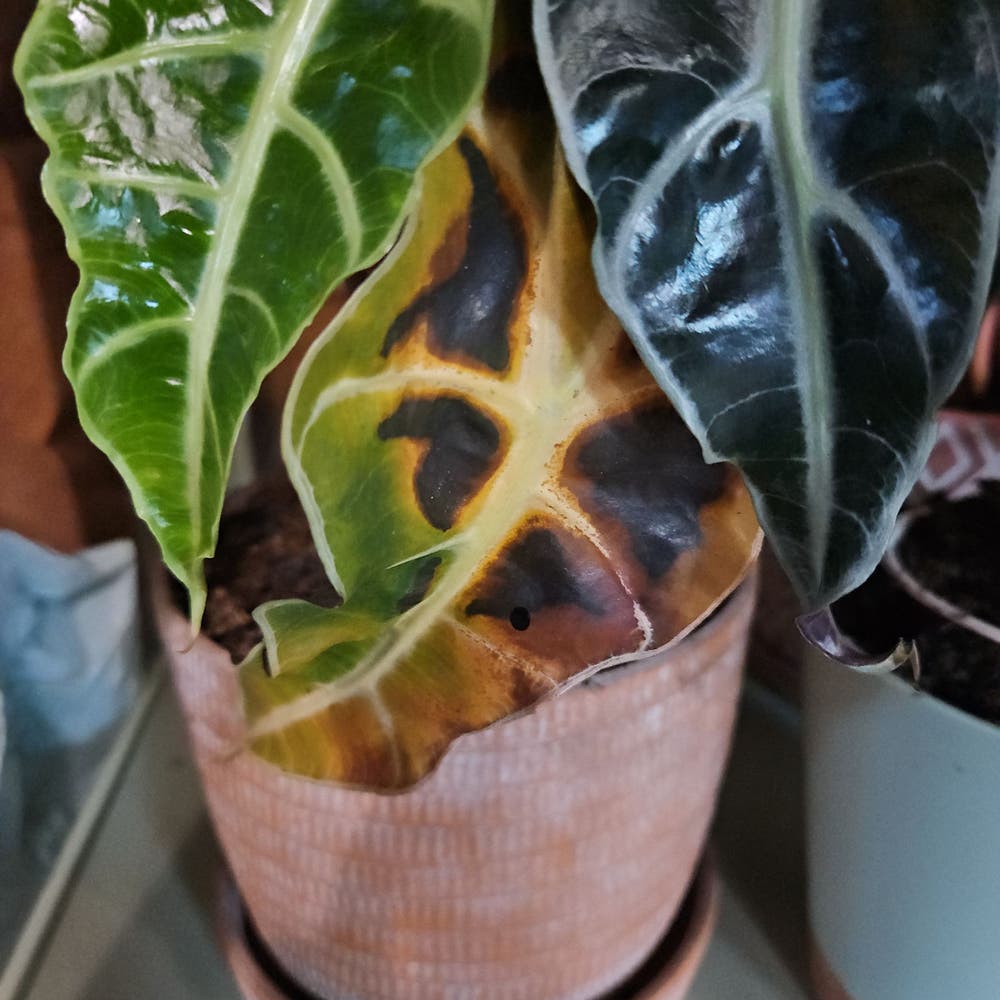
- Post-Berries: Leaves may yellow and die back as the plant prepares for dormancy.
- Dormancy Duration: A few months of rest, usually in the colder part of the year.
- Spring Awakening: A resurgence of growth as temperatures rise, signaling the start of a new cycle.
Adapting to Environments
Climate Zone Variability
Italian Arum showcases its adaptability by thriving across a wide range of climates. This hardy perennial flourishes in USDA Hardiness Zones 5a-9b, demonstrating a remarkable capacity to adjust to varying temperature extremes and seasonal shifts.
- Versatility: From chilly winters to warm summers, Italian Arum manages to persist.
- Leaf Longevity: Its leaves, with striking white veining, often remain vibrant from autumn throughout milder winters, depending on the region.
🌦️ Environmental Stressors
Despite its resilience, Italian Arum confronts several environmental challenges that test its perennial nature.
- Temperature Fluctuations: Extreme cold or heat can stress the plant, leading to leaf drop or dormancy.
- Light Levels: Insufficient light may hinder growth, while too much direct sunlight can scorch its leaves.
- Air Circulation: Good airflow is essential; stagnant conditions can invite fungal issues, compromising the plant's health.
Perennial Advantages for Gardeners
🌿 Sustainability and Ease
Italian Arum stands out as a low-maintenance perennial, offering a sustainable choice for gardeners. Here's why it's a garden favorite:
- Its resilience reduces the need for frequent replanting, saving time and resources.
- The plant's adaptability to a range of conditions makes it a reliable green presence year after year.
🌱 Root System Benefits
The established root system of Italian Arum is more than just an anchor; it's an ecological boon. Consider these root-related perks:
- They enhance soil structure and fertility, promoting a healthy garden ecosystem.
- The roots can help prevent soil erosion, making Italian Arum a practical choice for sloped gardens.
Cultivation Strategies
🌿 Leveraging Perennial Strengths
Italian Arum, with its resilient perennial nature, offers a wealth of benefits for the savvy gardener. Here's how to capitalize on its strengths:
- Plant with Purpose: Choose locations where Italian Arum can grow undisturbed, allowing its persistent root system to establish deeply.
- Companion Planting: Pair with other perennials that share similar light and soil preferences, creating a harmonious, low-maintenance garden tableau.
- Embrace the Cycle: Anticipate and enjoy the seasonal changes, from lush foliage to striking blooms and vibrant berries, which add year-round interest to your space.
📅 Planning for Longevity
Incorporating Italian Arum into your garden's long-term design requires strategic thinking:
- Respect the Environment: Ensure it's not invasive in your area and plant responsibly, considering its potential spread.
- Cultural Resonance: Embrace its symbolic significance by integrating it into areas of your garden that reflect personal or cultural narratives.
- Feng Shui Your Space: Position Italian Arum to enhance the energy flow in your garden, contributing to a sense of harmony and well-being.
By thoughtfully leveraging Italian Arum's perennial properties, gardeners can enjoy its aesthetic charm and environmental benefits for years to come.
⚠️ Safety First
This content is for general information and may contain errors, omissions, or outdated details. It is not medical, veterinary advice, or an endorsement of therapeutic claims.
Always consult a qualified healthcare professional before using any plant as food, medicine, or supplement.
Never eat any plant (or feed one to pets) without confirming its identity with at least two trusted sources.
If you suspect poisoning, call Poison Control (800) 222-1222, the Pet Poison Helpline (800) 213-6680, or your local emergency service immediately.
Spotted an error? Please report it here.
Cultivate your Italian Arum to flourish annually 🌱 with Greg's tailored care plans, ensuring a perennial garden showstopper.