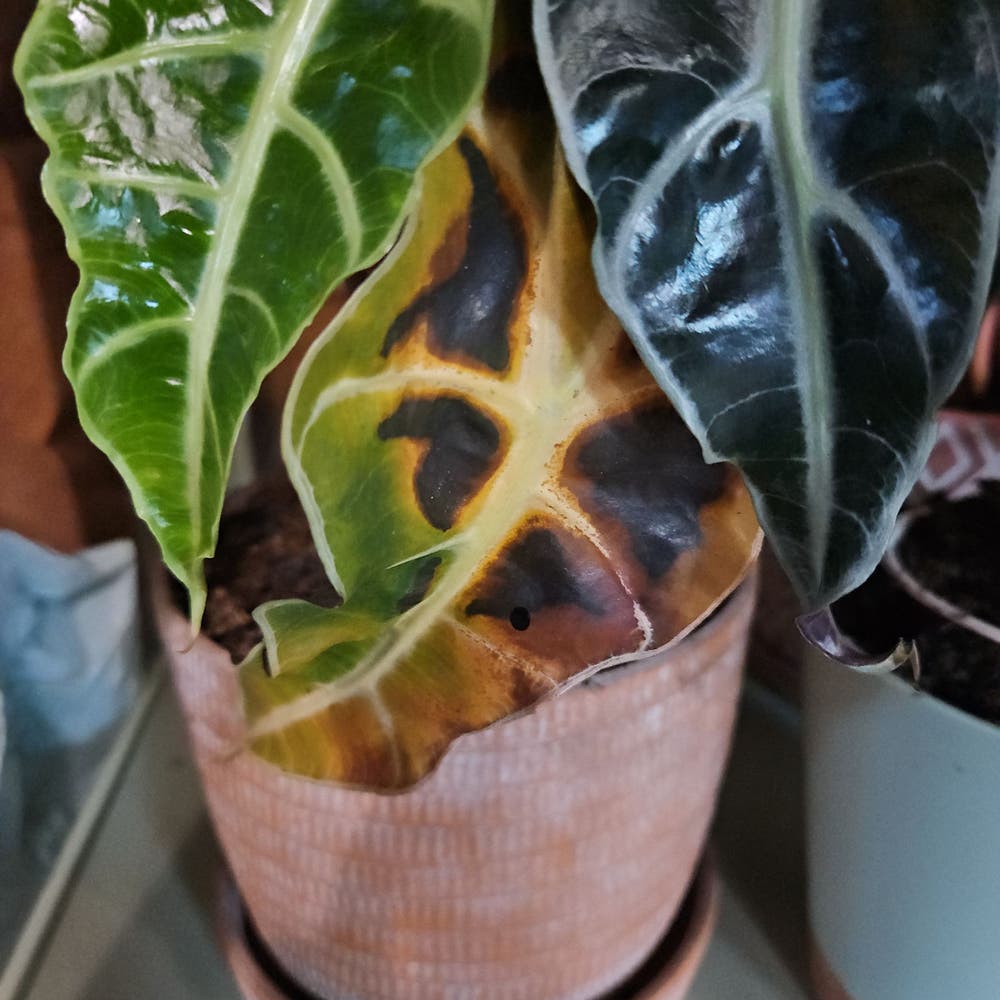
How Can You Tell If An Italian Arum Is Dying?
Arum italicum
By the Greg Editorial Team
Jun 18, 2024•4 min read
This article was created with the help of AI so we can cover more plants for you. May contain errors. See one? Report it here.
Save your Italian Arum from the brink 🌿—learn the life-saving signs of distress and act swiftly!
- Water wisely: Overwatering causes limp leaves, underwatering leads to curling.
- Light and temperature matter: Bright, indirect light and stable temperatures are key.
- Prevent pests and rot: Regular inspections and proper soil mix can save your plant.
Spot the Warning Signs: Is Your Italian Arum Unhappy?
💧 Water Woes: Over and Underwatering Symptoms
Italian Arum's mood swings can often be traced back to watering habits. If the leaves are as limp as overcooked spaghetti, you might be drowning it in affection. Conversely, leaves curling tighter than a miser's fist could signal a thirst for more hydration.
Quick fixes involve letting the soil dry out between waterings and ensuring your plant isn't sitting in water like a duck in a pond. If the soil's drier than a comedian's wit, it's time to quench your plant's thirst.
🌞 Light and Temperature Troubles
Too much light can leave your Italian Arum as bleached as old jeans, while too little can make it as leggy as a supermodel. It craves bright, indirect light, so keep it close to a window but out of the direct firing line of the sun's rays.
Adjusting the temperature is like finding the sweet spot in your shower – not too hot, not too cold. Italian Arum dislikes dramatic fluctuations, so keep it away from drafts and radiators.
🐜 Pests: Uninvited Guests on Your Italian Arum
Pests are like that one uninvited party guest – they show up unannounced and wreak havoc. Keep an eye out for the telltale signs of freeloading insects: tiny brown spots or a sticky residue on leaves.
To nip pest problems in the bud, introduce a pest control regimen that could include neem oil or insecticidal soap. Remember, prevention is better than cure, so keep your plant clean and check it regularly for any signs of infestation.

When Your Italian Arum is Under the Weather: Disease and Environmental Stress
🍂 Leaf Scorching and Fungal Foes
Leaf scorch in Italian Arum often screams environmental stress rather than infection. Brown edges or a bleached look? Your plant might be throwing a tantrum over its conditions. Quick fix: reassess your plant's spot and dial in those ideal growing conditions.
Fungal infections are the ninjas of the plant world, stealthy and destructive. Dark spots on leaves or stems? Could be a fungal disease like Alternaria leaf spot, playing a game of connect-the-dots on your plant. Leaf drop is another red flag, especially if it starts on the lower leaves. Get your detective hat on and start with improving air circulation and reducing humidity.
🦠 Root Rot: The Silent Killer
Root rot is like that bad roommate who's slowly ruining your life, except it's attacking your Italian Arum's roots. Yellowing leaves and a mushy base? Bad news. It's time to play surgeon. Whip out those sterilized scissors, fresh potting soil, and a trusty fungicide. Remember, it's a race against the clock, so move fast and repot with care.
Prevention is your best weapon against these plant plagues. Think of it as the plant equivalent of eating your veggies and getting enough sleep. Keep those roots cozy but not waterlogged, and ensure your Italian Arum isn't stewing in its own sweat. Optimal conditions are your Italian Arum's best friend.

Reviving Your Italian Arum: Tailored Solutions for Common Problems
🚰 Balancing Act: Watering and Drainage
Italian Arum's dislike for soggy feet means overwatering is a no-go. Ensure your plant's soil is like a good party host—welcoming yet not overbearing. Mix in perlite or sand to store-bought potting soil for that perfect moisture-to-air ratio. Remember, the goal is to mimic a sponge—moist but not dripping.
🌞 Creating the Ideal Home: Light, Temperature, and Soil
Light and temperature are like the plant's personal weather forecast—get it wrong, and you'll see the effects. Aim for bright, indirect light and a stable temperature that doesn't swing like a pendulum. Soil-wise, think of a well-draining mix as the foundation of your plant's home. Combine organic matter with a dash of acidity to keep roots happy and breathing easy.
🐜 Keeping Pests and Diseases at Bay
Pests are the uninvited guests at your plant's dinner party. Regular inspections are the equivalent of bouncers at the door. If pests do crash the party, show them the exit with neem oil or insecticidal soap. Prevent diseases by not letting the leaves stay wet for too long—water early so they have time to dry. And don't forget, cleanliness is next to godliness in plant care.

⚠️ Safety First
This content is for general information and may contain errors, omissions, or outdated details. It is not medical, veterinary advice, or an endorsement of therapeutic claims.
Always consult a qualified healthcare professional before using any plant as food, medicine, or supplement.
Never eat any plant (or feed one to pets) without confirming its identity with at least two trusted sources.
If you suspect poisoning, call Poison Control (800) 222-1222, the Pet Poison Helpline (800) 213-6680, or your local emergency service immediately.
Spotted an error? Please report it here.
Keep your Italian Arum flourishing 🌿 with Greg's custom watering schedule and disease prevention tips, ensuring it never faces the perils of overwatering or pests.