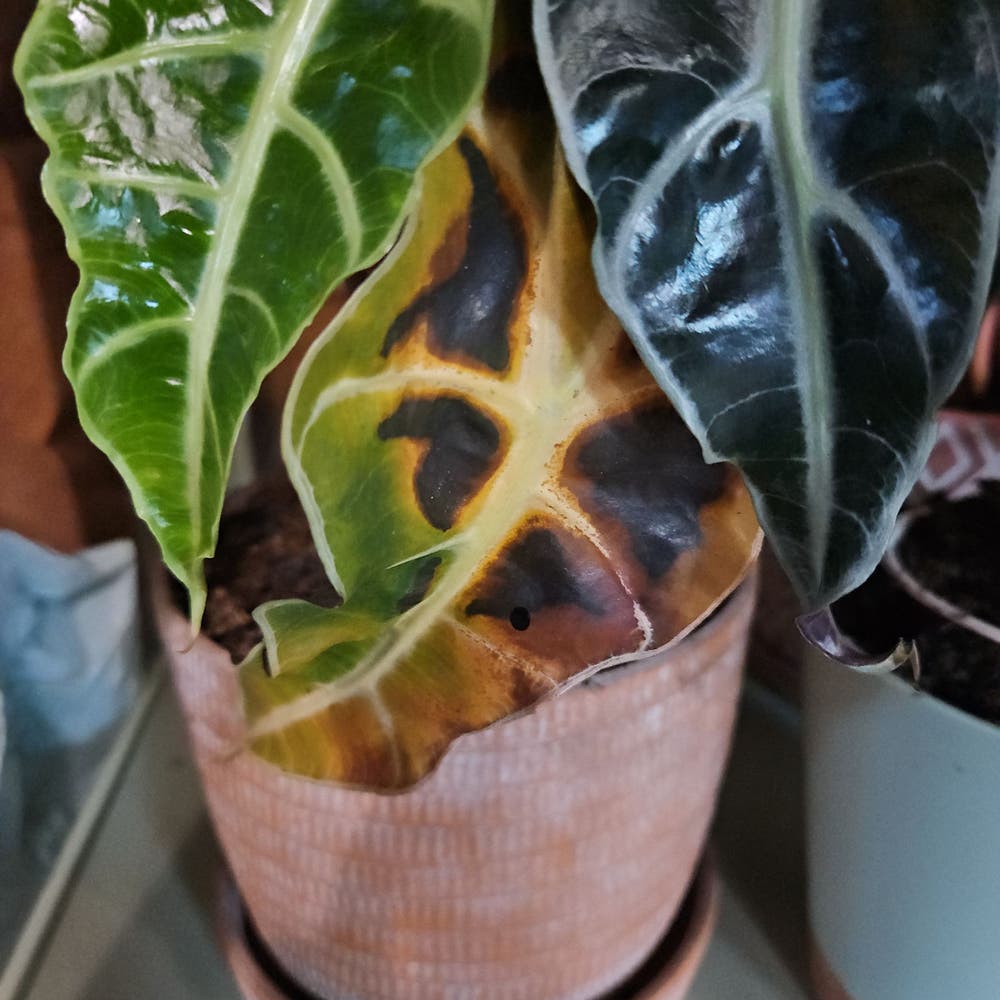
Reasons Why Your Italian Arum Won't Flower
Arum italicum
By the Greg Editorial Team
Jul 23, 2024•5 min read
This article was created with the help of AI so we can cover more plants for you. May contain errors. See one? Report it here.
Transform your Italian Arum from stubborn to stunning with these bloom-boosting secrets! 🌸✂️
- 🌞 Inadequate light impedes blooming; bright, indirect light is best.
- 💐 Nutrient balance is key; phosphorus-rich fertilizer encourages flowers.
- ✂️ Prune wisely post-bloom to promote new, healthy Italian Arum flowers.
Flowering Challenges in Italian Arum
🌸 Failure to Bloom
Inadequate light can leave Italian Arum's bloom cycle in the dark. Here's how light affects it:
- Too little light can prevent the initiation of the flowering process.
- Excessive direct sunlight might lead to leaf scorch, indirectly impacting flower development.
Nutrient imbalances can also disrupt the delicate dance of flower development:
- A lack of phosphorus can starve the plant of the resources needed to produce blooms.
- An overabundance of nitrogen might encourage leafy growth at the expense of flowers.
🥀 Bud Drop Dilemma Premature flower bud drop in Italian Arum can be quite disheartening. Let's delve into the possible reasons:
- Environmental stress, such as sudden temperature changes, can cause buds to fall before they bloom.
- Overwatering or poor drainage might also contribute to bud drop, as roots need to breathe to support flower development.
Solutions to stabilize the bloom cycle and prevent bud loss include:
- Ensuring consistent temperatures and avoiding drafts near the plant.
- Monitoring watering habits and improving soil drainage.
🌺 Distorted Blooms Abnormal flower development in Italian Arum can be a sign of underlying issues:
- Pests or diseases may be at play, distorting the natural beauty of the blooms.
- Environmental factors, like poor air circulation or incorrect humidity levels, can also lead to misshapen flowers.
Corrective measures to ensure proper flower formation involve:
- Keeping an eye out for pests and treating them promptly.
- Adjusting the plant's environment to better suit its needs, such as increasing air flow or adjusting humidity levels.
Light and Flowering
Italian Arum's bloom cycle is intricately linked to light exposure. Without adequate light, the plant may struggle to initiate flowering. Here's how to get the light just right:
- Place your Italian Arum near a window that provides bright, indirect light. North-facing windows or those with sheer curtains are ideal.
- Rotate the plant periodically to ensure all sides receive equal light, preventing lopsided growth and encouraging a robust bloom cycle.
- During darker months, consider supplementing with a grow light to mimic natural sunlight, keeping the plant's energy levels high for potential blooming.
Practical tips to optimize light conditions include:
- Avoid placing your Italian Arum in direct sunlight, which can scorch leaves and stress the plant, hindering flower production.
- Monitor the plant's response to light closely; if you notice the leaves reaching out or the plant becoming leggy, it's likely craving more light.
- Adjust your light strategy with the changing seasons to maintain consistent light exposure, which is key for flowering.
Nutritional Needs for Blooms
Phosphorus isn't just another nutrient; it's a bloom's best friend. This key player works behind the scenes to ensure your Italian Arum's flowers develop properly and show off their beauty. But phosphorus doesn't work alone; it's part of a nutrient trio, including potassium for plant health and nitrogen for early growth, that needs to be balanced for optimal flowering.
- Phosphorus: The main act for flower development.
- Potassium: Supports overall health and disease resistance.
- Nitrogen: Necessary for early growth but should be reduced during the bloom cycle.
When choosing a fertilizer, think of it as a multivitamin for your plant. You want a well-rounded mix, not just a single nutrient. Look for a blend that's high in phosphorus and potassium but still includes nitrogen and micronutrients. Here are some strategies to get the mix just right:
- Use a "Bloom Booster" fertilizer with a higher phosphorus content, like a 2-3-1 N-P-K ratio.
- Observe your plant's response and adjust fertilization accordingly to prevent nutrient burn.
- Consider organic options like bone meal for a natural phosphorus boost.
Remember, more isn't always better. Stick to recommended ratios and watch your Italian Arum reward you with stunning blooms.
Pruning for Flower Success
Pruning isn't just a maintenance task; it's a critical factor in the flower production of Italian Arum. By removing spent flowers and damaged growth, you redirect the plant's energy to new blooms and vigorous growth. Here's how to prune with precision:
- Timing is Everything: Prune after the bloom cycle, typically in late spring or early summer, to align with the plant's dormancy period. This minimizes stress and sets the stage for the next season's growth.
- Selective Snipping: Aim just above a leaf node or bud when making cuts. This encourages bushier growth and more flowering sites.
- Deadheading: Remove spent flowers to prevent the plant from diverting energy into seed production. This keeps the focus on future blooms.
- Damage Control: Trim away any damaged or discolored leaves to maintain the plant's health and aesthetic appeal.
- Aftercare: Clean up all clippings to prevent disease and give your plant a clean slate for recovery.
Remember, over-pruning can be detrimental. It's about thoughtful reduction, not just cutting back. Use clean, sharp tools for clean cuts, and always step back to assess your work, ensuring you're enhancing, not hindering, your Italian Arum's bloom potential.
Encouraging Healthy Blooms
Italian Arum's reluctance to bloom can often be traced to a few key issues. Addressing these effectively can transform a stubborn plant into a flowering marvel.
🌸 Recap the Importance of Addressing Specific Flowering Issues
- Italian Arum's bloom cycle is delicate and can be disrupted by various factors.
- Failure to flower, bud drop, and distorted blooms are common challenges that require attention.
- Ignoring these issues can lead to a lackluster display or even a complete absence of blooms.
🌿 Reinforce the Actionable Steps for Light Management, Nutrition, and Pruning
- Light: Ensure your plant receives bright, indirect light to trigger the bloom cycle. Rotate it periodically for even exposure and consider grow lights in low-light conditions.
- Nutrition: Use a balanced fertilizer with a higher phosphorus content to promote flower development. Avoid overfeeding, which can harm the plant and inhibit blooming.
- Pruning: Prune strategically to improve light exposure and air circulation. Focus on removing dead or damaged growth and deadheading spent flowers to encourage new blooms.
By meticulously managing these aspects, you can coax your Italian Arum into showcasing its stunning blooms.
⚠️ Safety First
This content is for general information and may contain errors, omissions, or outdated details. It is not medical, veterinary advice, or an endorsement of therapeutic claims.
Always consult a qualified healthcare professional before using any plant as food, medicine, or supplement.
Never eat any plant (or feed one to pets) without confirming its identity with at least two trusted sources.
If you suspect poisoning, call Poison Control (800) 222-1222, the Pet Poison Helpline (800) 213-6680, or your local emergency service immediately.
Spotted an error? Please report it here.
Ensure your Italian Arum flourishes with perfect blooms 🌺 by following Greg's tailored light and watering plans for your plant's unique needs.