Italian Arum Wilting? Here's What to Do
Arum italicum
By the Greg Editorial Team
Jul 23, 2024•5 min read
This article was created with the help of AI so we can cover more plants for you. May contain errors. See one? Report it here.
Revive your wilting Italian Arum 🌿 by mastering the art of stress diagnosis and tailored care.
- 🌱 Water and heat stress are common causes of Italian Arum wilting.
- 🔍 Diagnose by assessing leaves, soil moisture, and root health.
- 🚿💡 Correct with proper watering, shade, and well-draining soil.
Identifying Wilting Causes
💧 Water Stress Indicators
Italian Arum can be quite dramatic when it comes to water—too much or too little, and it will let you know. Here's what to watch for:
- Overwatering: Leaves may turn yellow and feel soft. Check for standing water in the saucer or a soggy soil feel.
- Underwatering: Leaves might curl inward or appear dry and crispy. The soil will pull away from the pot's edge, indicating dryness.
To assess soil moisture, stick your finger about an inch deep. If it's dry, it's time to water; if it's damp, hold off.
🌡️ Heat Stress Symptoms
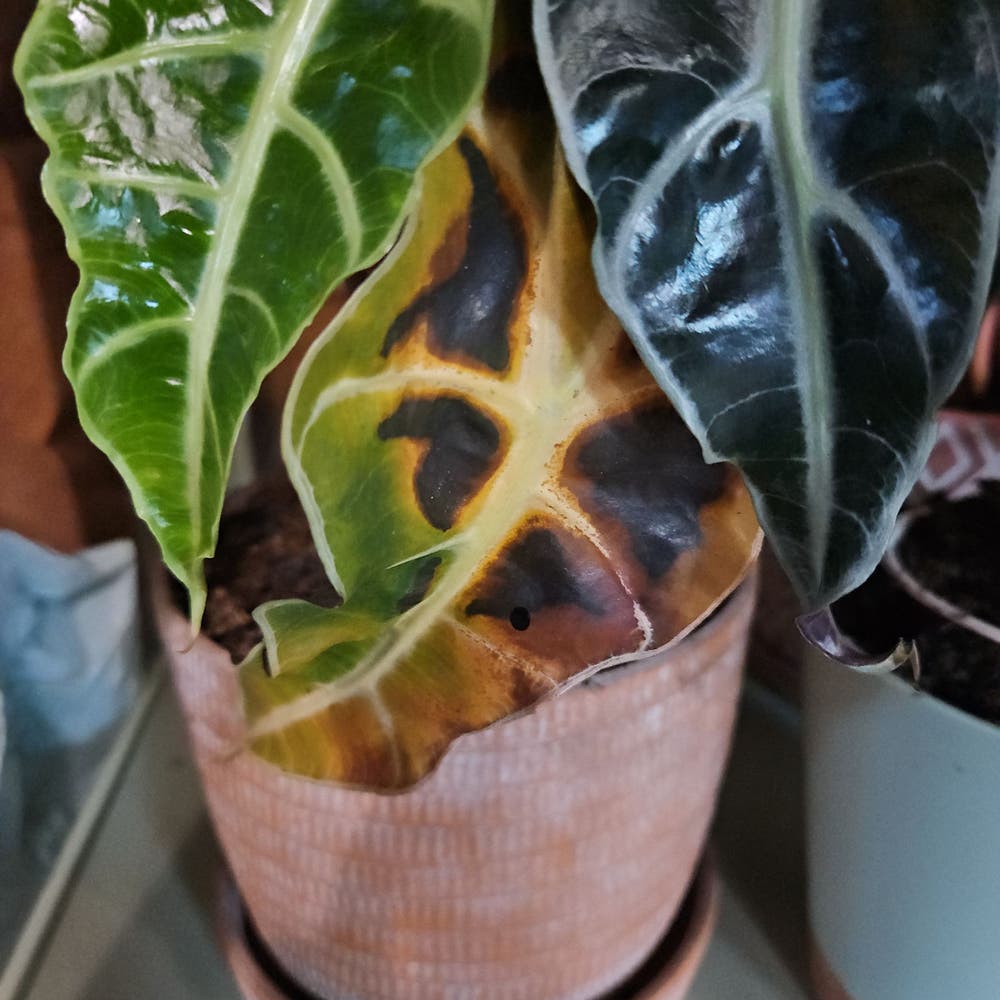
Heat can take a toll on your Italian Arum, causing leaves to wilt or display brown spots. They may also curl down or fold inward as a protective measure. If your plant is near a heat source or in direct sunlight, consider moving it to a cooler spot.
🦠 Disease-Related Signs
While diseases are less common, they can still cause wilting. Look for:
- Black or dark brown spots on the leaves.
- Stems that are mushy or discolored.
Remember, disease is a less likely cause, but if these signs are present, it's time to investigate further.
Diagnosing Wilting in Italian Arum
🕵️♂️ Visual Plant Assessment
Wilting in Italian Arum can be a distress signal, indicating that your plant needs immediate attention. To pinpoint the cause, start with a detailed visual inspection.
- Look for leaves that are limp, discolored, or curling inwards, which can suggest water or heat stress.
- Examine the plant for any signs of pests or disease, such as spots or decay, which are less common but still possible culprits.
🌱 Soil and Root Check
After assessing the leaves, the next step is to investigate the soil and roots, as they play a crucial role in plant health.
- Gently probe the soil with your finger; it should feel moist but not soggy, akin to a wrung-out sponge.
- Consider the color and texture of the roots during a careful examination. Healthy roots are typically white and firm, while brown, mushy roots may indicate overwatering or root rot.
Remember, diagnosing wilting is about observing and responding to your Italian Arum's unique needs. With careful attention, you can restore your plant to its lush, vibrant state.
Treating Wilting Issues
🌊 Correcting Water Stress
Water stress, whether from too much or too little water, can leave your Italian Arum looking less than lush. Here's how to get the balance right:
- Check the top inch of soil; if it's dry, it's time to water. If it's soggy, give it a break and let it dry out.
- Use well-draining soil to prevent waterlogging, and ensure pots have drainage holes to let excess water escape.
🌞 Alleviating Heat Stress
Italian Arum can wilt under the scorching sun, so let's turn down the heat:
- Provide shade during peak sunlight hours, or move the plant to a cooler spot.
- Mulch the soil to retain moisture and keep roots cool, and water adequately but not excessively.
🦠 Managing Disease-Related Wilting
Diseases may not be a common villain for Italian Arum, but vigilance is key:
- Remove any damaged leaves to prevent energy drain and make room for new growth.
- If you suspect a disease, isolate the plant and consult with a local nursery or plant expert for advice.
Preventing Future Wilting
🌿 Optimal Growing Conditions
Italian Arum thrives in a stable environment. To prevent stress-induced wilting, consider these factors:
- Light: Provide shade to partial sun, avoiding direct sunlight that can scorch leaves.
- Temperature: Aim for a consistent temperature, avoiding drastic fluctuations.
- Soil Type: Use a well-draining, loamy soil that retains moisture without becoming soggy.
- Humidity: Maintain moderate humidity, steering clear of overly dry or damp conditions.
Implementing a regular care routine is crucial for monitoring plant health and catching early signs of distress.
🌱 Proactive Plant Care
Understanding and mimicking the Italian Arum's native habitat can significantly reduce the risk of wilting:
- Watering Wisdom: Water when the top inch of soil feels dry, ensuring you neither overwater nor underwater.
- Soil Moisture Balance: Amend the soil with organic matter to improve drainage and moisture retention.
- Potting Practices: Choose pots with adequate drainage holes and repot every 2-3 years to refresh the soil.
- Environmental Harmony: Protect your plant from strong winds and extreme temperatures by placing it in a sheltered location.
By proactively adjusting care based on your Italian Arum's sensitivity, you can prevent wilting and promote robust growth.
When to Seek Expert Help
🚨 Recognizing Persistent Problems
Italian Arum owners, if you've meticulously followed all care advice and your plant's wilting persists, it's time to consider expert intervention. Here are signs that professional help is needed:
- Your Italian Arum shows severe symptoms like extensive root rot or a rapid decline in health.
- Standard remedies have had no impact, and the plant's condition continues to worsen.
- You're unsure about the cause of the wilting despite thorough research.
💬 How to Approach Local Nurseries or Plant Experts Effectively
When you decide to seek professional advice, here's how to make the most of it:
- Act quickly to prevent further damage to your Italian Arum.
- Gather details about your plant's condition, including photos and a care history.
- Visit local nurseries where knowledgeable staff can offer immediate, region-specific insights.
- Consider consulting with extension services, agricultural agents, or plant pathologists for specialized advice.
🌐 Leveraging Online Communities
Don't overlook the wealth of knowledge available in online plant care communities:
- Use platforms like Greg and other gardening forums for support and advice from fellow plant enthusiasts.
- Apps like PictureThis connect you with botanical experts instantly, offering a convenient digital solution.
- Share your Italian Arum's symptoms with the community to get diverse perspectives and solutions.
⚠️ Safety First
This content is for general information and may contain errors, omissions, or outdated details. It is not medical, veterinary advice, or an endorsement of therapeutic claims.
Always consult a qualified healthcare professional before using any plant as food, medicine, or supplement.
Never eat any plant (or feed one to pets) without confirming its identity with at least two trusted sources.
If you suspect poisoning, call Poison Control (800) 222-1222, the Pet Poison Helpline (800) 213-6680, or your local emergency service immediately.
Spotted an error? Please report it here.
Combat Italian Arum wilting with custom watering plans and real-time advice 🌿 from Greg, ensuring your green friend thrives against water, heat, and disease stress.