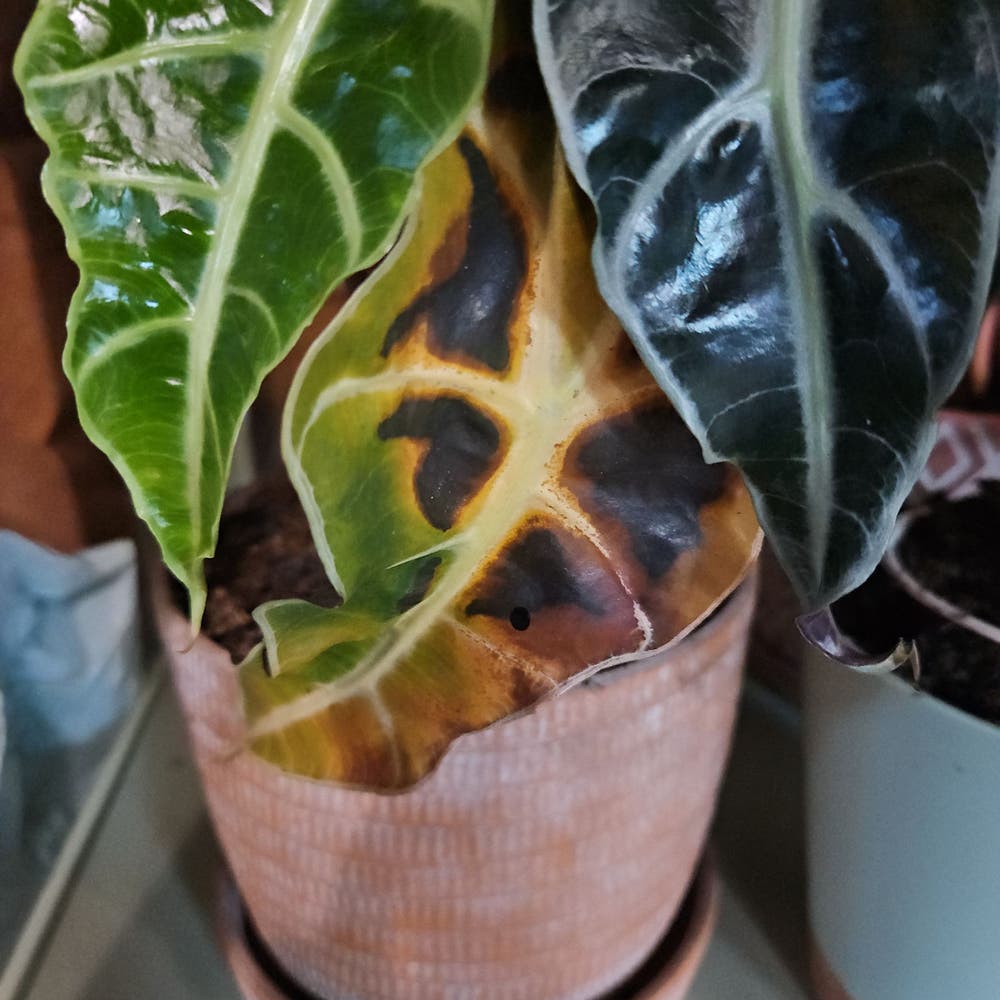
Determining What Might Be Eating Your Italian Arum
Arum italicum
By the Greg Editorial Team
Jul 23, 2024•6 min read
This article was created with the help of AI so we can cover more plants for you. May contain errors. See one? Report it here.
Spot and stop wildlife harm to your Italian Arum 🌿, ensuring a vibrant and balanced garden ecosystem. 🐾
- 🦌 Deer, rabbits, squirrels, birds, rodents, groundhogs - all potential Italian Arum diners.
- 🌱 Recognize damage signs: torn leaves, angled cuts, nibbled fruits, peck marks.
- 🚧 Use barriers, repellents, IPM for effective herbivore deterrence and ecosystem balance.
Identifying Animal Damage
When Italian Arum shows signs of distress, it's often a clue that herbivores have paid a visit. Recognizing these signs is key to protecting your plants. Here's how to spot the culprits:
- Deer: Look for torn leaves and stems, as deer rip foliage due to their lack of upper incisors. They often target plants less than one inch in diameter and may leave droppings as evidence of their presence.
- Rabbits: These critters make a clean, angled cut on stems and may gnaw bark, leaving behind tooth marks about the width of a spoon's tip.
- Squirrels: Squirrel activity is indicated by nibbled fruits and flowers, and sometimes dug-up soil as they search for bulbs.
- Birds: Peck marks on fruits and flowers or missing petals can often be attributed to birds.
- Rodents: Mice and voles leave small, precise bite marks on stems and may strip bark, leaving marks similar to the tine of a fork.
- Groundhogs: These animals prefer tender shoots and leaves, and their damage is usually found close to the ground.
🦌 Understanding the type of damage can help you take the right action to protect your Italian Arum and maintain a thriving garden ecosystem.
Herbivores and Italian Arum
Italian Arum, with its lush foliage and bright berries, is a magnet for various herbivores.
🦌 Deer Interaction
Look for hoof prints and stripped foliage at higher levels, indicative of deer.
Deer often prefer tender shoots and leaves, impacting the plant's growth.
To deter deer:
- Employ physical barriers like fencing.
- Use repellents with strong odors like garlic or commercial deer deterrents.
🐇 Rabbit Challenges
Signs of rabbit damage include clean, angled cuts on stems and scattered droppings.
Rabbits target young shoots, which can stunt the plant's development.
Strategies for rabbit control:
- Install mesh fencing buried underground.
- Plant less appealing species around Italian Arum as a buffer.
🐿 Squirrel Habits
Chewed nuts and small, irregular bite marks on plants suggest squirrel activity.
Squirrels may dig up bulbs, affecting Italian Arum's propagation.
Mitigation techniques:
- Use bulb cages to protect underground parts.
- Offer alternative food sources to divert their attention.
🐦 Bird Visitation
Birds may peck at fruits or leaves, leaving behind puncture marks.
While some birds can help with pest control, others may harm the plant.
Protecting Italian Arum from birds:
- Netting can prevent access to the plant.
- Decoys or reflective objects can scare birds away.
🐀 Rodent Issues
Gnaw marks and burrows near the plant base are telltale signs of rodents.
Rodents can severely damage roots and bulbs, threatening the plant's survival.
Rodent management strategies:
- Trapping and relocation may be necessary.
- Encourage natural predators like owls to keep rodent populations in check.
🦡 Groundhog Intrusion
Look for large burrow entrances and gnawed leaves at the plant's base.
Groundhogs can decimate foliage, leaving the plant unable to photosynthesize.
Prevention and control:
- Use fencing that extends underground to prevent digging.
- Apply taste deterrents that make the plant less appetizing.
Managing Animal Interactions
🐾 Integrated Pest Management
Integrated Pest Management (IPM) is a comprehensive strategy that blends preventive and reactive measures to manage animal interactions with Italian Arum. It's a proactive approach, aiming to create an environment where pests are less likely to cause significant damage. Here's how you can apply IPM to protect your Italian Arum:
- Monitor your garden regularly to catch early signs of animal activity.
- Employ physical barriers such as fencing or netting to deter animals.
- Introduce natural predators or use biological controls to manage pest populations.
- Opt for targeted, eco-friendly pesticides as a last resort, ensuring they're applied judiciously to minimize environmental impact.
Seasonal changes can influence animal behavior, so adjust your IPM strategies accordingly. For example, during spring, when new shoots are most appealing to herbivores, you might need to ramp up your preventive measures.
🌿 Balancing Ecosystem Health
While protecting Italian Arum, it's essential to maintain a healthy ecosystem balance. Encouraging beneficial wildlife can contribute to natural pest control and enhance biodiversity. Here are some ways to achieve this balance:
- Plant a variety of species to attract beneficial insects and birds that prey on pests.
- Create habitats such as woodpiles or insect hotels to support a diverse range of creatures.
- Avoid broad-spectrum pesticides that can harm non-target species and disrupt the ecological balance.
By fostering an environment where beneficial species thrive, you not only protect your Italian Arum but also contribute to the overall health of your garden's ecosystem.
Specific Attractants and Toxicity
Italian Arum's fruits, flowers, and shoots are not just visually appealing but also emit scents and produce substances that can attract a variety of animals. Here's a breakdown of what attracts each creature and the potential toxicity they may face:
- Deer: Attracted to the lush foliage and shoots, deer can consume large amounts of plant material, potentially ingesting harmful substances.
- Rabbits: The tender shoots and flowers are a rabbit's delight, yet these parts may contain toxins that could affect their health.
- Squirrels: Squirrels may be drawn to the fruits for their nutritional value, but the risk of toxicity remains a concern.
- Birds: The berries of Italian Arum are a bird favorite. However, the plant's potential toxicity is less clear for avian species.
- Rodents: Mice and voles might gnaw on various parts of the plant, exposing themselves to toxic compounds.
- Groundhogs: These animals might dig for shoots and roots, possibly ingesting toxic substances in the process.
The toxins present in Italian Arum can have varying effects on herbivores, ranging from mild digestive upset to more severe health issues. It's crucial to understand these potential dangers:
- Some toxins may target specific organs like the kidneys or heart.
- Symptoms of toxicity can include muscle tremors, vomiting, or more subtle chronic effects.
- The severity of the toxic reaction often depends on the amount ingested and the animal's size and health.
For gardeners, this dual nature of attraction and toxicity means balancing the ecosystem's health while protecting both the plant and the animals that interact with it. It's a delicate dance of coexistence, where knowledge and careful observation are key.
⚠️ Safety First
This content is for general information and may contain errors, omissions, or outdated details. It is not medical, veterinary advice, or an endorsement of therapeutic claims.
Always consult a qualified healthcare professional before using any plant as food, medicine, or supplement.
Never eat any plant (or feed one to pets) without confirming its identity with at least two trusted sources.
If you suspect poisoning, call Poison Control (800) 222-1222, the Pet Poison Helpline (800) 213-6680, or your local emergency service immediately.
Spotted an error? Please report it here.
Shield your Italian Arum from pesky nibblers with customized protection plans 🛡️ from Greg, ensuring your garden stays harmonious and thriving.